
3D printing, a groundbreaking technology, has the potential to completely transform the manufacturing industry. By utilizing the additive manufacturing process, 3D printers construct objects layer by layer, following precise instructions from computer models. This method enables the creation of intricate shapes and detailed designs with unparalleled accuracy, speed, and cost-efficiency. The applications of 3D printing span various industries, including aerospace, automotive engineering, jewelry design, and medical device manufacturing. With the increasing accessibility and affordability of 3D printers, they have become accessible to both professionals and hobbyists alike.
Printing, an age-old practice, continues to play a vital role in our personal and business lives. It has been instrumental in communication, self-expression, and information sharing. The earliest forms of printing can be traced back to ancient China, where woodblocks were used to produce prints on paper. The invention of the moveable type by Johannes Gutenberg in the 15th century revolutionized printing by enabling faster production of materials like books. Over time, printing technology has advanced significantly, allowing us to print a wide range of items, from documents and posters to three-dimensional objects. If you’re looking to explore the exciting world of 3D printing, you can buy 3d printer in Singapore to bring your ideas to life.
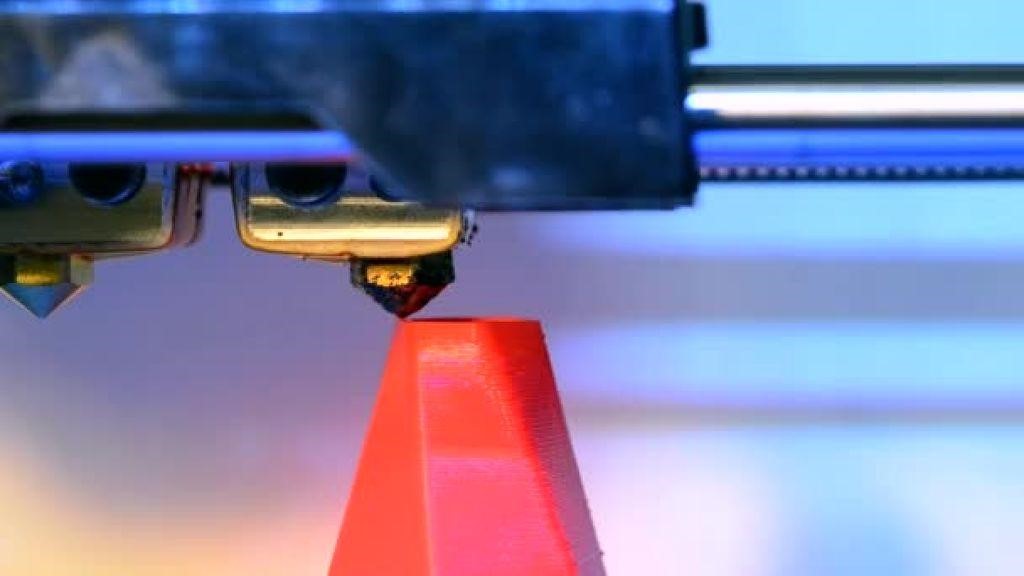
Modern printers come equipped with a multitude of features to cater to diverse user requirements. From basic home office models capable of printing A4 documents in black and white to high-end commercial machines with multi-function capabilities like digital copying, scanning, and color printing, there is a printer available for every need and budget. Additionally, the advent of 3D printing has further expanded the possibilities. Using computer-aided design (CAD) files as input, modern 3D printers can produce three-dimensional objects using plastic filament. This technology has opened up new avenues for creativity and innovation.
When it comes to technology, understanding its advantages is crucial in making informed decisions. Technology has become an integral part of our daily lives, simplifying various tasks and enhancing efficiency. Some of the key advantages of technology include increased efficiency, improved communication, and streamlined processes. By leveraging technology, tasks can be completed faster and with fewer errors. Communication has been revolutionized by social media platforms and email, allowing instant connectivity across the globe. Technology has also played a pivotal role in the advancement of printing, enabling faster production and higher-quality results.
However, along with its advantages, technology also brings certain disadvantages. Increased social isolation is one of the consequences, as people spend more time interacting through technology rather than engaging in face-to-face interactions. Cybercrime is another significant concern, with the rise of identity theft, phishing scams, and other malicious activities. The loss of privacy is a pressing issue, as personal data is collected and used without consent or control. These disadvantages highlight the importance of responsible and mindful usage of technology.
Printing, an essential process for documents and materials, has evolved significantly over time. Traditional offset lithography, used before the digital printing era, involved transferring images onto aluminum plates and then onto paper or other substrates. While this method allows high-quality images at high speeds, it can be expensive and time-consuming. Digital printing methods, on the other hand, have revolutionized the printing industry, enabling cost-effective short runs and faster turnarounds. Digital prints offer better color accuracy and variable data capabilities for personalized marketing materials.
The diversity of job types available in today’s world is often overlooked. Technology jobs are abundant, ranging from software developers to IT security analysts. Healthcare jobs offer various opportunities for individuals with different specialties, contributing to the well-being of others. Financial services jobs cater to the needs of the financial industry, while creative fields provide outlets for artistic expression. Understanding the different job types available can guide individuals in pursuing their desired career paths.
When selecting a printer, several factors should be considered. Speed is crucial, especially for high-volume printing requirements. Ink type varies between printers, impacting costs and print quality. Laser printers, though more expensive upfront, offer higher quality results and cost efficiency over time. Connectivity options allow for seamless integration with other devices, simplifying printing tasks. Understanding these considerations can help individuals choose the right printer for their specific needs.
Applications, commonly known as apps, have become an integral part of our lives. Cloud computing applications enable convenient data storage and accessibility from anywhere in the world. Mobile banking and payment apps provide efficient and secure financial transactions. Educational apps facilitate learning and knowledge acquisition. The applications of technology are vast and continue to shape our lives in various ways.
Conclusion
The realm of 3D printing has revolutionized manufacturing by offering design freedom, cost savings, and rapid prototyping capabilities. Printing, whether in two dimensions or three dimensions, remains an essential tool for communication, creativity, and replication. Technology, with its advantages and disadvantages, plays a crucial role in our lives, enhancing efficiency and connectivity. Understanding the different types of printers, job opportunities, and applications available empowers individuals to make informed decisions and navigate the ever-changing world of technology.