
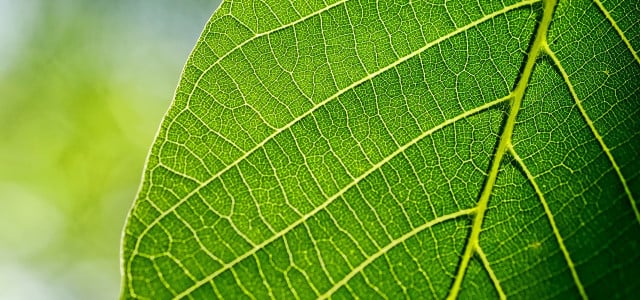
Walnut leaves are a versatile, traditional remedy. Due to their antibacterial effect, you can help you with skin diseases. You can also of course color textiles and hair with walnut leaves.
Not only walnuts are healthy and versatile. Walnut leaves are also full of valuable ingredients and are a traditional remedy, according to the Georg August University Göttingen. In the Middle Ages, the leaves were used against parasite and worm infestation, today they are mainly used for skin diseases.
Walnut leaves are not only healthy, but also a natural colored medium. You will find out how you can use them to color later in this article.
Tip: For us, walnut trees are widespread. You can simply collect the leaves yourself and dry as other herbs.
What ingredients and effects have walnut leaves?
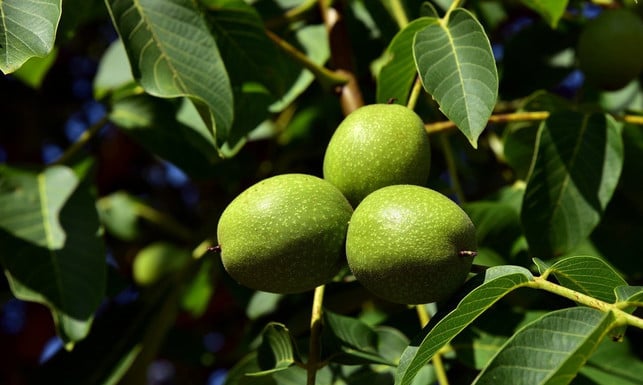
According to the leaflet of the Bavarian State Institute for Forestry and Forestry, the inconspicuous leaves of the walnut tree are full of valuable ingredients. These include:
- Tannins
- Flavonoid
- essential oils
- Vitamin C
A study from 2007 also dealt with the chemical composition and the effect of walnut leaves and came to the following results:
- The leaves have strong antioxidant effect, including through the flavonoids it contains. They support the body in cell renewal and fight free radicals and oxidative stress.
- In addition, the researchers were able to demonstrate the antibacterial effect of the leaves inside. This could be particularly advantageous for the treatment of bacterial diseases of the digestive tract and the airways.
Another clinical study from 2018 with 50 participants showed that walnut leaves reduce blood pressure and help with weight loss.
Walnut leaves: healing effect against skin diseases
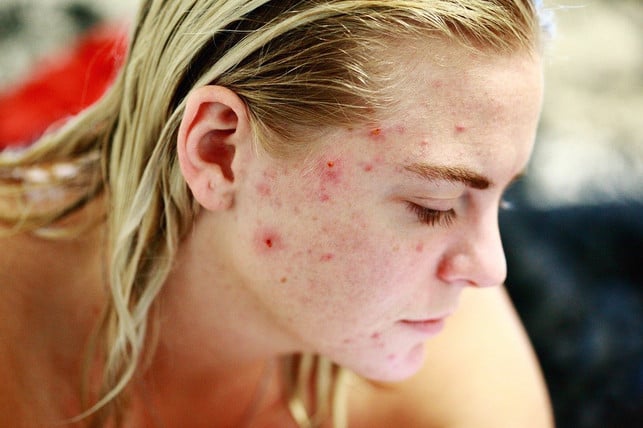
Traditionally, walnut leaves are mainly used to treat various skin diseases. These include:
- acne
- Skin inflammation
- Eczema
- increased welding
To do this, you can use walnut leaves as a bathing additive or put envelopes on the affected areas. In addition to the antibacterial effect, the antioxidant effect of leaves is also intended to help with skin diseases.
In addition, walnut leaves are said to have a collapsing effect on blood vessels and sweat glands. In addition to increased welding formation, they are therefore used in folk medicine in varicose veins.
Note: So far, the positive effect on skin diseases and the collapse effect of the vessels have so far only been scientifically proven, in particular the effect of the leaves in terms of vessels, you should rather classify anecdotically. If you react allergic to walnuts, you should also do without walnut leaves. In addition to walnut leaves, you can also use walnut oil for medical purposes.
Walnut leaf tea: This is how you benefit from the healthy ingredients
To benefit from the healthy effect of walnut leaves, you can cook a walnut leaf tea. You can use both fresh and dried leaves for this. If you choose fresh leaves, simply double the amount below.
The best time to collect walnut leaves for tea is in June. The young leaves have the highest active ingredient content.
So you prepare walnut leaves:
- For a cup (about 250 milliliters) you need one or two teaspoons of dried walnut leaves.
- Let the water boil and pour it over the leaves.
- Let the tea pull for about ten minutes. Then remove the plant parts.
Walnut leaves are also ideal for tea blends. The bitter taste of the walnut leaves with the following plants harmonizes particularly well:
- lavender
- Lemon grass
- Apple
- Lemon verb
Of course, color with walnut leaves
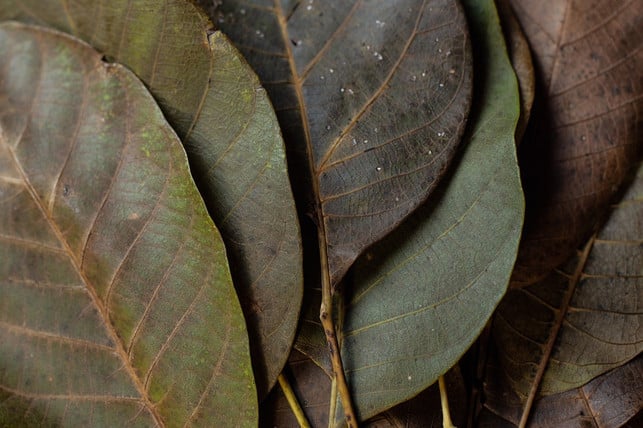
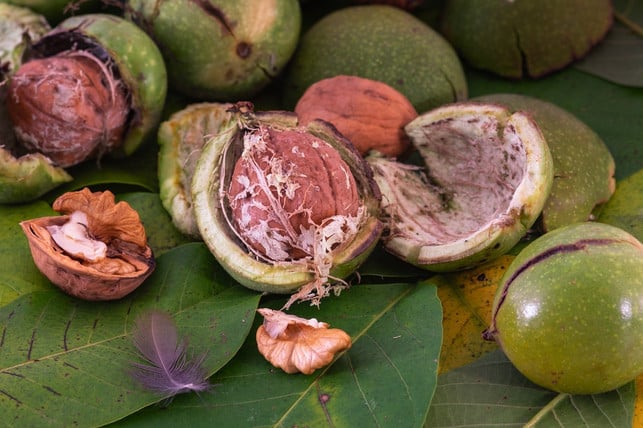
If you have freed walnuts from their green, fleshy shell in autumn, you may have noticed that your fingers have turned. This is due to the tannic acid, a natural dye contained in the walnut leaves.
For coloring you can use both the dried walnut leaves and the meaty green shells of walnuts. It is important that they are still green. The shell turns and loses its coloring property in mature walnuts.
From walnut leaves or shells you can make ink, color textiles or of course color your hair:
- For ink, about 100 grams of dried walnut leaves are sufficient.
- To color your hair, you need 200 to 300 grams of walnut leaves depending on the hair length and color intensity.
- For about 200 grams of clothing you need about 500 grams of the dried leaves or the green shells.
The more walnut leaves you use, the darker the color becomes. The coloring of walnut leaves varies between light brown and a dark chocolate brown.
You can find an exact step-by-step instructions in the next paragraph.
Make the brown color from walnut leaves: This is how it works

So you make color from walnut leaves:
- Shine the dried leaves or the fleshy bowls.
- Put the leaves in a saucepan and pour them up with enough water. You need around 500 milliliters of water per 100 grams of plant parts.
- Let the leaves boil for about two hours and then pull the brew overnight.
- Remove the plant parts the next day.
How to use the natural color:
-
Ink: continue to cook the brew. This is how you reduce the liquid and get a darker, more intense color. So that your natural ink stays for longer, you can add a few drops of alcohol or vinegar.
-
Color hair: To color your hair, it is not necessary to remove the plant parts. Instead, stir them with warm water to a porridge and spread it on your hair. For additional care you can add a teaspoon of coconut oil. After 30 to 45 minutes you can wash the porridge.
-
Textiles: Put the clothes in the brew from the walnut leaves and heat the liquid with the clothing to about 70 degrees. Then let them soak for 24 hours. Then you rinse the color and wash the clothes thoroughly.
Revised by Freya Petersen
Read more on utopia.de:
- Make colors: These foods provide natural colors
- Black nuts: recipe for pickled walnuts
- Domestic medicinal plants: the strongest plants and their effect
** marked with ** or orange underlined Links to sources of supply are partially partner links: If you buy here, you will actively support Techzle\.com, because we will then receive a small part of the sales proceeds. More information.