
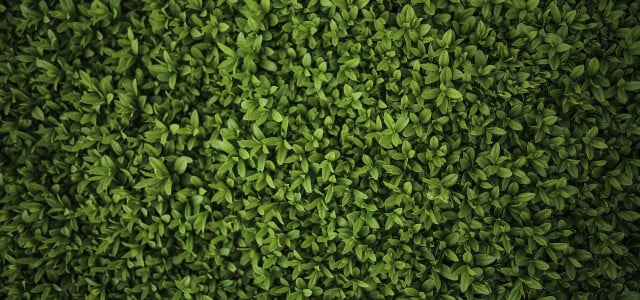
Is privet poisonous? Small children or pets may nibble on the greens or berries in the hedge. We’ll let you know if this is dangerous.
The common privet (Ligustrum vulgare) is native to our latitudes. The Atrovirens privet variety is particularly popular with us because it stays green longer in winter. However, children and pets should not come into contact with the plant as privet is considered poisonous. You can find out more about this in this article.
Is privet poisonous? You should know that
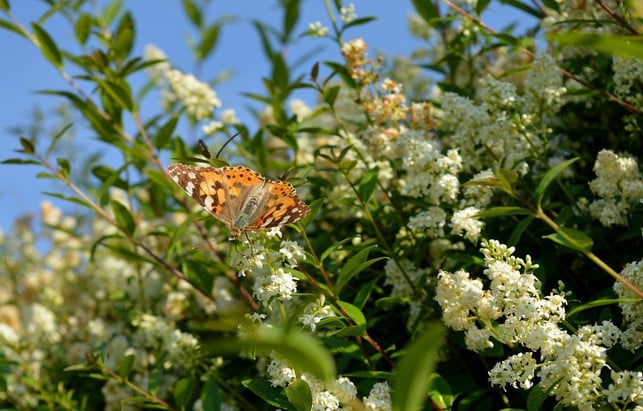
It is better not to plant privet in places where children spend time and play, because all parts of the privet plant are slightly poisonous. According to the Bonn Poison Center, they can cause gastrointestinal problems. The leaves and bark contain bitter substances, tannins and resins.
The Poison Control Center warns that consuming privet can also lead to diarrhea, vomiting and nausea. Circulatory disorders, seizures and headaches sometimes occur. However, there is no danger to life.
What to do if you have privet poisoning?
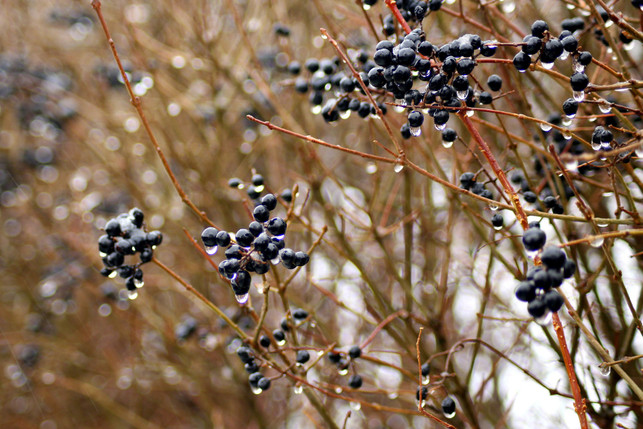
Privet berries grow on the bush from September to late winter. They are about the size of a pea, black and contain two purple seeds.
If you accidentally ingested the poisonous privet, the Bonn Poison Center recommends the following:
- If there are few berries: Drink plenty of fluids. An adult can usually tolerate up to five privet berries without any problems.
- If you have eaten a lot of berries and are not feeling well, you should seek medical attention. Alternatively, you can first call a local poison control center.
Is privet toxic to pets?
Horses and young dogs like to nibble on hedge greens. It can quickly happen that they swallow the privet berries. This is not without danger because, according to the German Nature Conservation Association (NABU), the leaves, berries and bark of privet are poisonous to pets.
The American Society for the Prevention of Cruelty to Animals specifically states that privet is toxic to horses, cats and dogs. In most cases, the plant leads to stomach problems, but coordination difficulties and an increased heart rate are also possible consequences. Only in rare cases does consumption lead to death.
If your pet has consumed privet, you should seek veterinary advice.
Is privet poisonous to insects and birds?
Privet is not poisonous to birds and insects such as bees or butterflies. Its yellowish-white flowers serve as a source of food for animals.
Privet hedges are also suitable as nesting sites and offer birds protection from cats or predators. Therefore, you should also be careful when cutting your privet hedge:
According to the Federal Nature Conservation Act, “gentle shape and care cuts” are possible all year round. Radical hedge trimming is prohibited between March 1st and September 30th. During this time, birds build nests, breed and raise their offspring. More about it here:
Edited by Lucas Drebenstedt
Read more on Techzle\.com:
- Can you eat bay leaves? What you should consider
- Plant hedges: These hedge plants promote biodiversity
- Evergreen plants: These plants are green even in winter
** marked with ** or orange underlined Links to sources of supply are partly partner links: If you buy here, you are actively supporting Techzle\.com, because we then receive a small part of the sales proceeds. More info.