
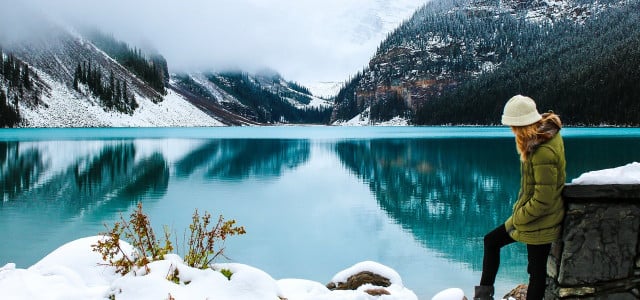
When winter hiking you can do something for your health, wrapped up warm, explore new areas and keep fit. We’ll tell you what you should pay attention to.
Winter hiking may seem like a daunting thought at first. After all, unlike in summer, it is cold outside and often uncomfortable and wet. And then be out and about outside for hours? But winter hiking can also be fun and give you new perspectives on the world.
You can also just get started without much preparation: hiking is not only possible in the mountains, but also in a nearby forest or around a lake. You can also increase your endurance from hiking tour to hiking tour.
That’s why winter hiking is so good
We spend a lot more time indoors in the winter months than in the summer. After all, on cold days when it gets dark quickly, it makes sense to sit on the couch rather than go for a walk in the dark cold.
In the long term, however, this can lead to a lack of exercise and the resulting complaints (such as back pain or mood swings). Winter hiking can prevent this phenomenon and thus has a positive effect on the body and mind:
- Winter hiking is a boost for your immune system: Because outside you fill up on vitamin D. According to scientific evidence, vitamin D can strengthen a weak immune system.
- Winter hiking makes you fit: When hiking, you move moderately. This has a positive effect on your cardiovascular system, according to the German Heart Foundation.
- However, there is no shock load caused by fast movement (like jogging) when walking at a leisurely pace. If you pay attention to your running technique and the right footwear, it will protect your joints, according to the German Alpine Club Regensburg section.
- Winter hiking is good for the soul: Who doesn’t know the winter blues? Hiking in winter can help with a bad mood. Because exercise is good for the psyche. If you move in nature, you get out of your everyday life, you can switch off, relax and sort your thoughts. You can also be proud of yourself and your achievements after a successful hike.
- You experience new adventures: It doesn’t always have to be the same walking route. Winter hiking allows you to get to know new areas and better explore your homeland on a micro-adventure. If you are already experienced in hiking, winter hiking can be a new challenge for you – especially in mountainous regions.
You should keep this in mind when winter hiking
As good as winter hiking is, there are still a few details you should keep in mind before you set off. These include the following points:
-
Take advantage of the sun: In winter the sun sets much earlier than in summer. So you should leave early to avoid getting into the dark. Because then not only is your view restricted, it also gets colder.
-
Improve slowly: Before you embark on a complex three-hour tour, you should first try hiking in winter temperatures with a shorter route. This way you will learn to assess yourself better and know what you can do. Especially if you have just been sick, you should not overdo it when winter hiking and just start slowly.
-
Breaks are important: To prevent cooling down, it’s better to take several shorter breaks than one long one.
-
Don’t overdo it with the route: especially when there is snow, you will be traveling slower than usual. So take this into account when you decide on a hiking route. This can not only prevent you from getting into the dark, but also reduce the risk of hypothermia.
-
Keep an eye on the weather forecast: This can be particularly important in the mountains, so check the avalanche warning levels. A quick weather check can also save you from unpleasant surprises, such as returning home in a snowstorm.
-
Don’t forget sun protection: Sunburn can also occur in winter – especially in the mountains. So don’t forget to apply sunscreen.
-
Think about your cell phone battery: If it’s cold outside, your cell phone battery will drain faster. To prevent this, you should carry the cell phone close to your body – this way it is well protected from the cold. If you’re planning a longer tour, it’s better to pack a power bank.
You need this equipment for winter hiking
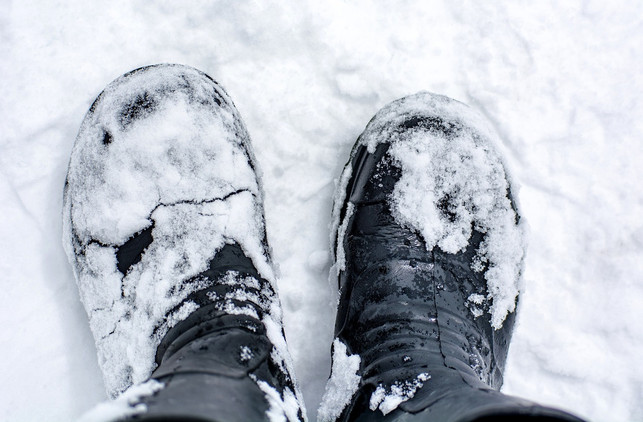
If you want to move outside in the cold season without freezing, you need the right equipment. This includes:
- Waterproof hiking shoes or boots: Ankle-high hiking shoes prevent snow from entering the shoe.
- Thick hiking socks
-
Scarf, hat or headband
- Gloves
- Waterproof winter jacket
-
Onion principle: It’s best to wear a quick-drying shirt as the first layer and put a thick sweater over it. Then comes the winter jacket.
- Winter hiking pants
- A backpack with provisions: This includes a water bottle or thermos flask with tea and small snacks such as apples, nuts or granola bars.
-
Sunglasses and sunscreen
- Blister plasters and first aid kit
If you don’t have any outdoor clothing for the winter yet, you should choose sustainable brands or second-hand. Regardless of whether it is summer or winter: if you are out and about, you should hike sustainably and respect nature.
Read more on Techzle\.com:
- Preventing blisters while hiking: 8 tips that really help
- Hiking holidays in Germany: You have these options
- Cycling in winter: Stay safe in snow, slippery conditions and darkness
** marked with ** or orange underlined Links to sources of supply are partly partner links: If you buy here, you are actively supporting Techzle\.com, because we then receive a small part of the sales proceeds. More info.