

If you overdo it while jogging or in the fitness center, you will often experience painful muscle soreness for the next few days. We’ll show you what helps.
Muscle soreness is insidious and creeps up like a cat. It only becomes painfully noticeable on the second or third day after exercise. Every movement hurts, you feel limited in your motor skills and weak. Ouch!
How does muscle soreness arise?
But where does sore muscles come from? The pain of sore muscles is usually quite harmless. But they can severely restrict everyday life if you’re not used to it. Muscle soreness is caused by tiny tears in the muscle fibers from performing movements you don’t normally do. Overloading can also be a reason for these small cracks.
This helps against sore muscles: Prevention
(Photo: CC0 / Pixabay / stevepb)
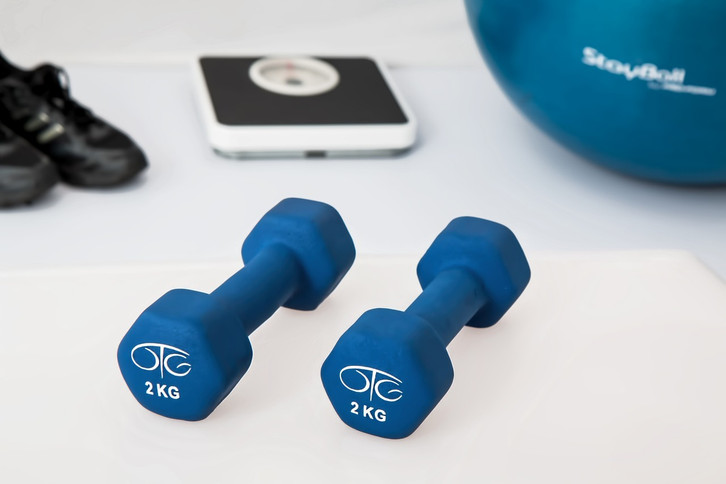
Since muscle soreness is a result of unusual strain on certain parts of the body, you should start your training slowly and strengthen the muscles gradually. Especially after a long break from sports or training, you shouldn’t exhaust yourself right away, but rather increase your exercise slowly. Also, start your workout with warm-up and stretching exercises.
Heat or cold for sore muscles
(Photo: CC0 / Pixabay / 955169)
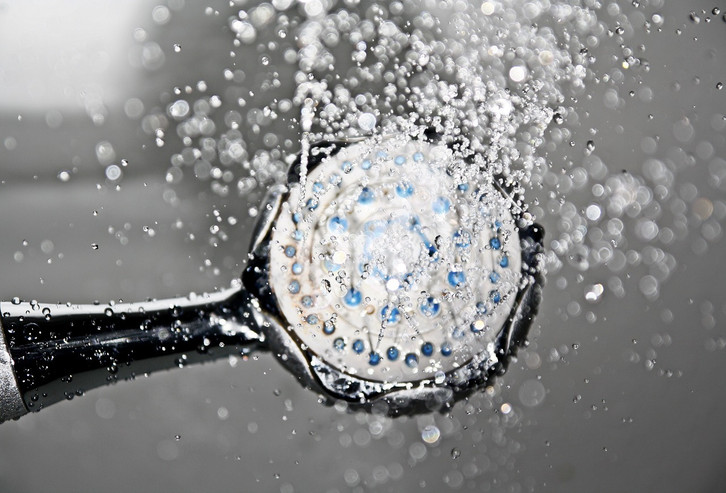
Heat relaxes the tense muscles and thereby relieves the pain. In addition, blood circulation is stimulated and the healing process is accelerated. Relaxation baths are best suited immediately after exercise. A cold shower also helps against sore muscles. Because cold water (around 15 degrees) is said to reduce inflammation and relieve swelling and pain. And therefore it can also prevent muscle soreness.
Essential oils such as spruce needles, rosemary or arnica as bath additives (you can find them at Avocadostore, for example) have an additional stimulating effect and can help prevent muscle soreness or at least alleviate the symptoms.
Helps against sore muscles: Acetic clay
Acetic clay or aluminum diacetane, as it is actually called, is a tried and tested home remedy. Clay not only has an antiseptic effect, but also helps with bruises, sprains and sore muscles.
Application: Mix a tablespoon of clay with a quarter liter of water and place it as a compress on the affected parts of the body. You can find ready-made cotton compresses with clay on Amazon, for example.
Ginger for sore muscles
(Photo: CC0/pixabay/congerdesign)
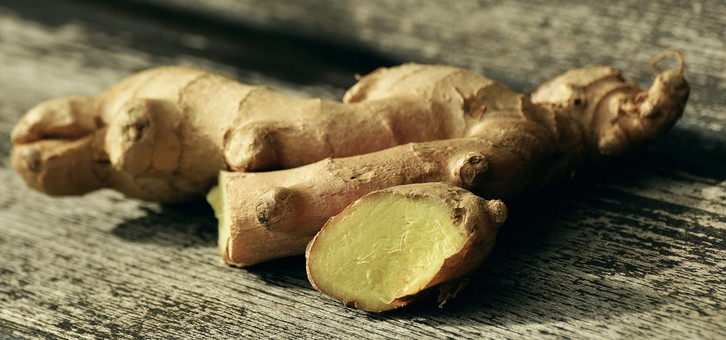
Ginger is not only an effective home remedy for colds, but also helps with sore muscles. Responsible for this are the pungent substances contained in ginger (gingerol), which act like aspirin.
Application: Take ginger regularly as a preventive measure – either as ginger tea or raw. According to a study, this can significantly reduce muscle pain.
Sour cherry for sore muscles
(Photo: CC0 / Pixabay / vampy24)
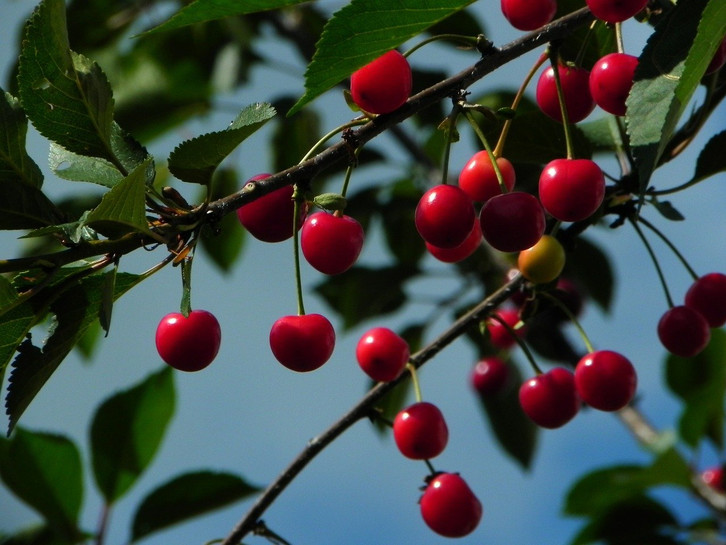
Sour cherry juice has an anti-inflammatory effect. Thanks to the antioxidants it contains, it is also said to accelerate the healing process of muscle tissue and thus help against muscle soreness, according to a study from 2006.
Application: 50 milliliters before and after exercise should relieve muscle soreness. Whether this actually works has not yet been sufficiently scientifically proven.
In general, there is no real miracle cure for sore muscles because every person reacts differently to the individual treatments. It’s best to just try different remedies until you find a method that works for you.
Good for the muscles: magnesium
Magnesium not only helps with muscle cramps, but also with sore muscles. If you exercise, make sure you get enough magnesium. Magnesium is found in many nuts as well as millet, beans, sunflower seeds and other seeds. In addition, whole grain products such as whole grain bread or whole grain rice also contain a lot of magnesium.
Read more on Techzle\.com:
- Rubbing alcohol: Use and effect for muscle and joint problems
- Healthy alternatives to energy bars: make your own energy balls
- Make ginger oil yourself: this is how it works
- Vegetable protein: these foods provide a lot of protein
Revised by Lena Kirchner
** marked with ** or orange underlined Links to sources of supply are partly partner links: If you buy here, you are actively supporting Techzle\.com, because we then receive a small part of the sales proceeds. More info.