
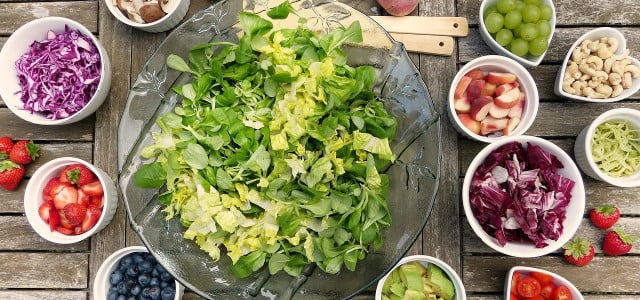
It doesn’t always have to be medication: you can also reduce high cholesterol levels with a healthy diet. Utopia introduces you to foods that will help you do this.
If you want to support your cholesterol levels naturally, you don’t have to resort to strict diets or complicated measures. Many everyday foods can help to positively influence the ratio of “good” and “bad” cholesterol. Whole grain products, legumes, certain types of fruit and vegetable oils can help to provide lasting relief to the cardiovascular system.
Good cholesterol – bad cholesterol
Cholesterol in itself is not harmful to health. In fact, it is a vital, fat-like substance that performs important tasks and functions in the body.
In medicine, a distinction is made between HDL cholesterol as “good” cholesterol and LDL cholesterol as “bad” cholesterol. A high concentration of LDL cholesterol causes excess cholesterol to build up on the artery walls. This causes narrowing of the blood vessels.
For many of those affected, the diagnosis of high cholesterol means one thing above all else: taking medication. But many foods can also lower cholesterol levels and thus support or even replace therapy.
https://utopia.de/ratgeber/herzinfarkt-vorbiegen-3-alltagssuitable-tipps_537841/
Lowering cholesterol: Food as an alternative to medication

Switching to a balanced diet can be a natural and holistic addition to the treatment of high LDL levels. Cholesterol-lowering foods make up the main ingredient.
Doctors believe that the cause of high cholesterol levels is a combination of several secondary, i.e. non-genetically inherited, factors. First and foremost, this includes an unfavorable diet:
- too much saturated fatty acids and trans fatty acids
- too little polyunsaturated fatty acids, omega-3 fatty acids and fiber
On the other hand, a diet based on lots of fruits, vegetables, fiber and the right fats can regulate cholesterol levels. There are many foods that have been proven to lower cholesterol. You should integrate them into your menu.
Foods rich in fiber promote cholesterol excretion
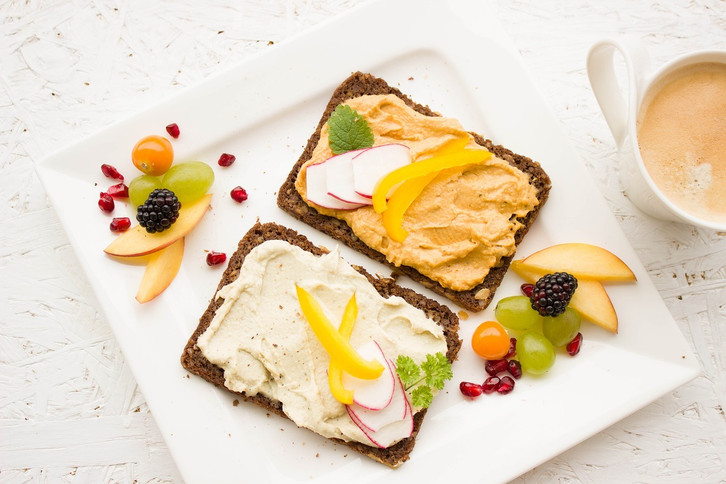
If you want to lower your cholesterol naturally, you should eat more fiber. Fiber is a largely indigestible food component that occurs primarily in plant-based foods. They support good digestion and ensure a long-lasting feeling of satiety.
They also play an important role in cholesterol levels. Because fiber promotes the excretion of excess cholesterol. Cholesterol is excreted via bile acids and at the same time is involved in the production of new bile acids. Both processes lower total cholesterol levels.
This means: the more fiber is consumed, the more bile acid, and therefore cholesterol, is excreted.
The German Nutrition Society recommends a daily requirement of at least 30 grams of fiber. The Charité lipid clinic recommends between 30 and 40 grams of fiber daily; for people with elevated cholesterol levels, “more helps more” might apply here.
If you want to know more, you can use various nutritional calculators (for example www.naehrwertrechner.de) on the Internet to calculate the exact composition of the nutritional values of a food.
Examples of foods high in fiber include:
-
Whole grain products: A whole grain roll has 7 grams of fiber per 100 grams, one tablespoon of oat bran has 3 grams of fiber.
-
Nuts, kernels, seeds: One tablespoon of flaxseed provides 1.5 grams of fiber.
-
Legumes: 70 grams of white beans have 6.5 grams of fiber.
-
Fruit: One orange has 3 grams of fiber.
-
Vegetables: 150 grams of raw vegetables provide 4.5 grams, 200 grams of potatoes provide 3.5 grams of fiber.
Plant-based foods that lower cholesterol
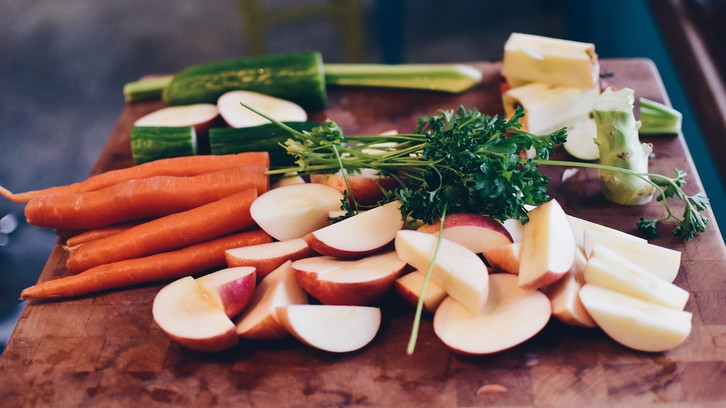
Blueberries, for example, contain anthocyanins, secondary plant pigments that stimulate increased cholesterol excretion.
Apples and pears contain a lot of pectins, which bind bile acids. As a result, more of it is excreted – and with it the cholesterol.
Red raw onions, leeks and garlic also have cholesterol-lowering properties. Studies have shown that the sulfur compounds alliin and allicin in garlic have a cholesterol-lowering effect. Both onions, leeks and garlic reduce dangerous LDL cholesterol through the antioxidant quercetin.
The gingerols contained in ginger reduce fat absorption and help eliminate unhealthy LDL cholesterol.
Chickpeas are legumes and, as a source of fiber, help lower cholesterol levels. They also contain a lot of saponins, which bind cholesterol and can therefore prevent it from depositing in the vessels.
Green tea also contains saponins and thus inhibits fat absorption and lowers LDL cholesterol.
Fatty foods: the “right” fats are important
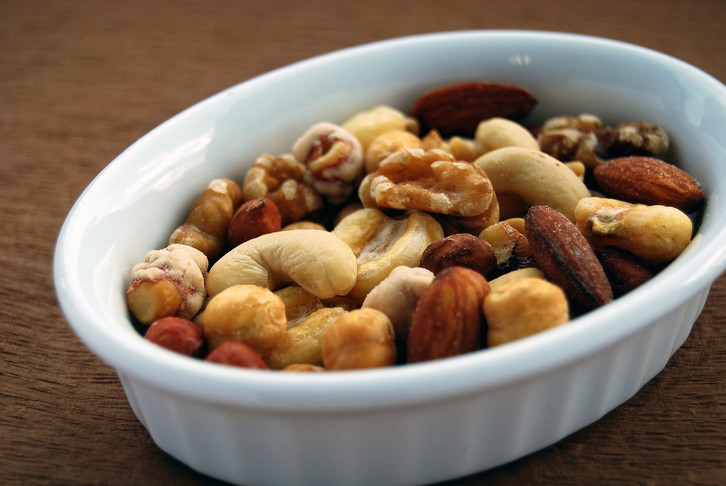
High cholesterol levels are often associated with a high-fat diet. But that definitely doesn’t mean cutting fat out of your diet completely. It is important to avoid too much saturated fatty acids and trans fatty acids. Instead, you should focus more on unsaturated fatty acids and omega-3 fatty acids.
https://utopia.de/ratgeber/gesaettgte-oder-ungesaettgte-fettsaeuren-was-ist-gesuender_99508/
More fatty whole foods than isolated fats
Isolated fats include cooking oils such as sunflower oil. In their heavily processed, i.e. non-native, form, they contain only fat and hardly any of the fiber, vital substances or antioxidants that fatty foods contain. Examples of fatty, healthy foods include:
Avocados
A study has shown that just one avocado a day has a cholesterol-lowering effect. This is mainly due to the unsaturated fatty acids it contains. They support the “good” HDL cholesterol while the “bad” LDL cholesterol is transported out of the arteries. However, as healthy as avocado is, the superfood can be ecologically problematic.
Nuts
Nuts contain valuable omega-3 fatty acids that protect the cardiovascular system. Walnuts are particularly high in unsaturated fatty acids.
The “right” oils
When consuming isolated fats, you should choose the “right” ones. Olive oil scores with lots of unsaturated fatty acids and is suitable for warm cuisine. Flaxseed oil, hemp oil and walnut oil should also be on the menu frequently. They bring the cholesterol-lowering omega-3 fatty acids into play. These oils should not be heated.
Better not: Animal fats and trans fatty acids
Saturated fats are found in abundance in animal products such as butter, meat, sausages, milk and dairy products.
Trans fatty acids are created during the industrial hardening of fats and are found in French fries, chips and pastries. You should largely avoid both saturated fats and trans fatty acids for healthy blood lipid levels.
Edited by Adriana Jodlowska
Read more on Techzle\.com:
- These 7 medicinal plants are natural painkillers and antibiotics
- The best foods against cholesterol – according to experts
- Healthy eating: 10 nutritional myths
** marked with ** or orange underlined Links to sources of supply are partly partner links: If you buy here, you are actively supporting Techzle\.com, because we then receive a small part of the sales proceeds. More info.