
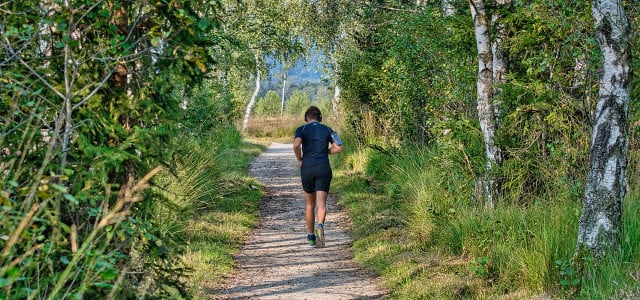
Slow jogging is a running technique from Japan that is particularly healthy and gentle on the joints. Here you can find out how slow running works and what advantages the sport has.

Slow jogging is a running technique developed by Prof. Dr. Hiroaki Tanaka was developed. Dr. Tanaka is a Japanese exercise physiologist who has researched slow jogging with his team for several decades.
In Japan, slow, comfortable running has been a popular sport for years. A few years ago he arrived in Germany and the fan base has been growing ever since.
In Germany, slow jogging is primarily promoted by the German Wellness Association as part of the “Slow Jogging Germany” initiative. The association works closely with Dr. Tanaka’s team together. All information about slow jogging, events and slow jogging trainer training is collected on the official German website.
This is how slow jogging works
Many runners know it: their knees hurt, their shins hurt and sometimes their side also hurts. None of this matters anymore with slow jogging, because the special running style is gentle on the joints and still makes you fit. It is a decelerated and conscious running style.
The following features are characteristic:
- You take many small and short steps, namely around 45 steps within fifteen seconds, i.e. 180 per minute.
- You maintain a slow running pace. If you can hold a conversation while running without getting out of breath, you have reached the right speed (the so-called talk test).
- You touch the ground first with your midfoot, not your heels or your toes. However, the heels may then briefly come into contact with the ground. This type of stance protects the hips, knees and spine.
- You consciously make sure to relax your body while running. Your shoulders are relaxed. Your breathing is even.
- Keep your back as straight and vertical as possible while running.
- Your gaze goes forward, your chin remains straight.
Tip: To get a precise idea of what slow jogging should look like, you can watch a video instruction on the German slow jogging website.
Slow jogging: benefits of running technique
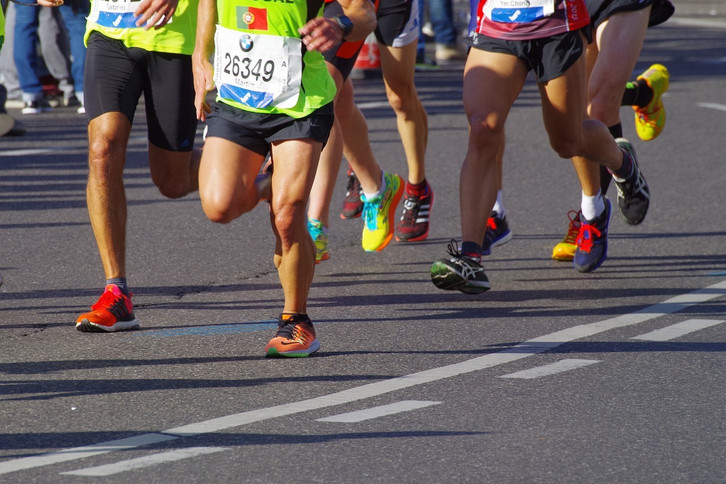
Slow jogging has been examined for its effects in various scientific studies:
- An overview of various studies shows that running is much easier on the joints than faster running and still burns just as many calories over the same distance and twice as many as walking.
- Another study shows that slow jogging can counteract age-related muscle loss in the buttocks and thigh muscles and improve muscle function and general fitness.
- Several studies have shown that jogging in general, but especially slow or moderate running, can lower blood pressure, improve memory and increase life expectancy. There is also scientific research that suggests that slow running is healthier in the long term.
Starting slow jogging: tips and advice
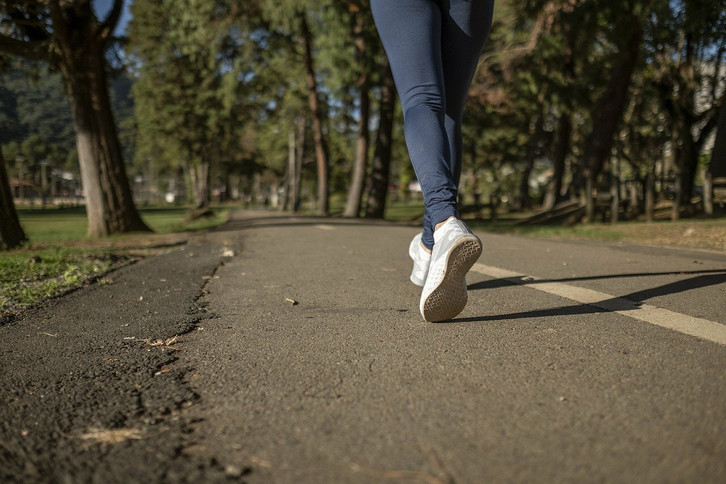
Slow jogging is suitable for both beginners and experienced runners. People who have little sporting experience can particularly benefit from the relaxed running technique, as it offers a gentler introduction to running training than fast jogging.
Tips for getting started with slow jogging:
- Start by running slowly for one minute using the slow jogging technique.
- Then walk at a relaxed walking pace for 30 seconds.
- Repeat this sequence until you get into the slow jogging rhythm.
- Incorporate slow jogging units into your everyday life as often as possible. You can start with ten minutes and then slowly increase the length of the sessions.
The right equipment for slow jogging
The right shoes are also important for slow jogging. Conventional running shoes with strong cushioning in the heel are unsuitable. These are also usually too stiff.
It’s better to get lightweight shoes with a flexible and natural outsole. Also make sure that the heel is not much higher than the toes (maximum ten millimeters). The shoes should enable a gait that is as natural as possible.
The best place to find out where you can buy good sports clothing is here: Is everything fit? There are better sportswear here.
Book tip: You can find further information in the book “Slow Jogging” by Hiroaki Tanaka and Magdalena Jackowska – available in English from Buch7, Thalia or Amazon.
Read more on Techzle\.com:
- Walking barefoot: That’s why we should go without shoes more often
- Ikigai: Finding the meaning of life with Japanese philosophy
- Exercise every day: is it healthy?
** marked with ** or orange underlined Links to sources of supply are partly partner links: If you buy here, you are actively supporting Techzle\.com, because we then receive a small part of the sales proceeds. More info.