
Chlorate can occur in food, for example when it is used as a disinfectant during production. If you consume too much chlorate, it can harm your health.
Chlorate is the salt of chloric acid. In chlorate, chlorine is present in a chemical compound. According to the Federal Institute for Risk Assessment (BfR), if a person consumes increased amounts of it over a longer period of time, this disrupts iodine absorption. The body needs iodine so that the thyroid gland can produce important hormones.
A short-term intake of more than 36 micrograms per kilogram of body weight and more than three micrograms per kilogram of body weight daily are classified as potentially harmful to health. Chlorate can then damage the kidneys, for example, and inhibit the absorption of oxygen in the blood. Adhering to the prescribed maximum amounts is particularly important for pregnant women, newborns, children and people with thyroid problems or iodine deficiency.
There has been a new regulation for chlorate in food since 2020. The limit values differ, among other things, depending on the food group. You can read details about this in the official regulations.
Chlorate: Which foods are contaminated?
When assessing the health of chemical substances, it is not important whether chlorine is present in a chemical compound, but rather what properties the specific compound has. Sodium chloride (NaCl), for example, is common table salt and is by no means unhealthy in moderation, but rather vital. Chlorate, on the other hand, can be harmful to health.
Chlorate, which is harmful to health, is found in various foods.
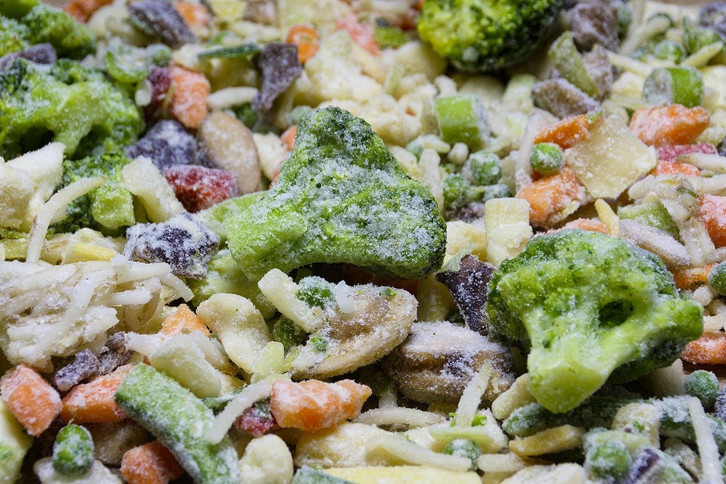
- According to the BfR, it is found, for example, in fruit and frozen vegetable products: Glazing the food can cause chlorate to get into these foods. Lettuce and herbs that have been washed with water containing chlorate can also be contaminated.
-
Öko-Test informs that various supermarkets have recalled frozen fish in the past because of increased chlorate content. In Austria, two samples of fish were also classified as potentially harmful to health in 2021 because they contained increased amounts of chlorate. If you eat fish, make sure not to consume any overfished species.
- The consumer protection magazine has also detected chlorate in coconut milk – however, in the test report, organic coconut milk did not show any increased chlorate levels. Especially when it comes to exotic foods, it is worth paying attention to organic and fair trade seals in order to protect the environment or support better conditions for the workers.
Chlorate is also found in drinks
More recent tests also found increased amounts of chlorate in drinks. The lemonades “Fanta Orange” and “Fanta Zero Sugar Orange” attracted negative attention. According to Stiftung Warentest, the following manufacturers recalled products outside Germany in 2025 because of excessive chlorate content:
- Coca Cola
- Fanta
- Sprite
- Fuze Tea
- Minute Maid
- Nalu
- Royal Bliss
- Tropico
Chlorate in drinking water
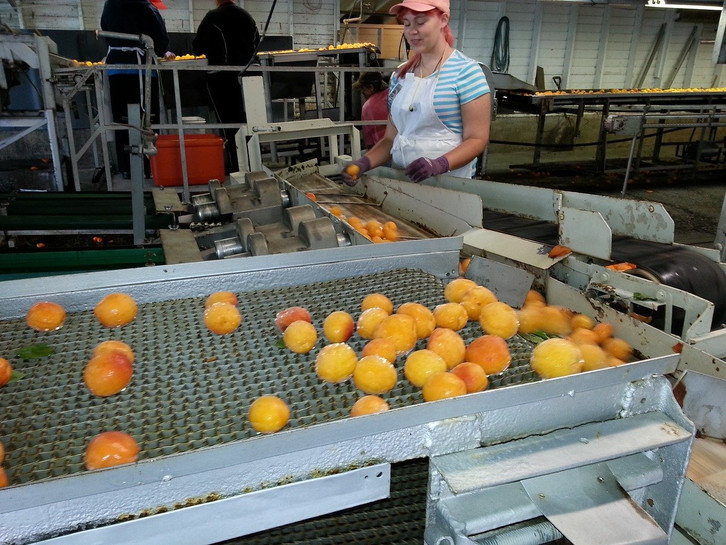
According to the BfR, chlorate gets into food when chlorine-containing disinfectants are used in the water during the production process. When using the products, chlorate can form. Before 2009, chlorate could also be transferred to food via pesticides. Since then, plant protection products in the EU are no longer allowed to contain chlorate.
But we can also absorb chlorate unnoticed through drinking water. However, strict limit values apply in Germany and the EU:
- A maximum of 0.07 milligrams of chlorate may be contained in one liter of drinking water, according to the BfR.
- In acute dangerous situations (for example after a leak in the drinking water pipe and the resulting contamination), the value may briefly rise to 0.7 milligrams of chlorate per liter.
Note: Since chlorate is not used as an additive, but rather ends up in the food as a residue from production, you cannot find the substance on the list of ingredients. You can usually find out whether a product is contaminated from current test reports from the consumer protection sector, which can be found online or in relevant magazines. Ökotest, Stiftung Warentest and the consumer advice center, for example, regularly publish reports on the safety of food.
Edited by Jennifer Watzek
Read more on Techzle\.com:
- These pollutants are found in food – and what you can do about them
- Nitrate in water and food: What you need to know
- Sodium chloride: Its effect in shampoo and cosmetics
** marked with ** or orange underlined Links to sources of supply are partly partner links: If you buy here, you are actively supporting Techzle\.com, because we then receive a small part of the sales proceeds. More info.