
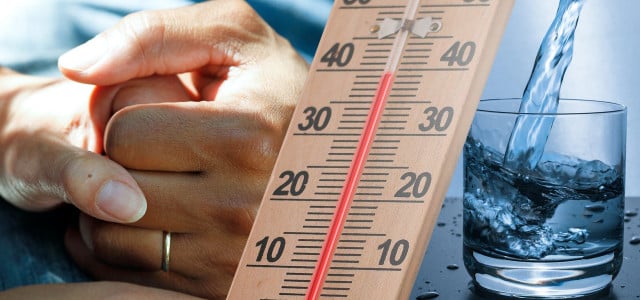
For some, summer heat means pure joy of life, for others it means serious danger. The health risk increases at temperatures as low as 30 degrees Celsius – especially for older people and children. We will explain to you who is particularly at risk, what you should pay attention to and how to act correctly in an emergency.
It is currently hot in the middle of summer in some regions of Germany, with temperatures in some cases cracking the 30 degree mark. While some are rejoicing and enjoying the first hot days of summer, others are having a hard time with their health. Extreme heat puts a strain on the lungs, the heart and the psyche – and can pose a serious danger. Taking certain medications can also make you more susceptible to heat-related health problems.
Why heat can be so dangerous
If temperatures rise above 30 degrees, this can become a real problem for many people – not just physically, but also psychologically. Heat puts a strain on the lungs and cardiovascular system and can lead to difficulty concentrating, circulatory problems and even organ damage. It becomes particularly dangerous when the body can no longer regulate its temperature through sweating. If it gets warmer outside than the average body temperature of 36 to 37 degrees, the heat can build up in the body – with potentially life-threatening consequences.
A look at the statistics also shows that heat is no longer a harmless weather phenomenon: According to the Robert Koch Institute, around 3,000 people died as a result of the extreme temperatures in the hot summers of 2023 and 2024 alone – especially older people with previous illnesses. The German Medical Association therefore describes heat as the greatest health risk from climate change in Germany.
Heat wave: who is particularly at risk?
Older people, especially those over 65, are among those most affected. Many of them take medications that suppress sweating – and thus the body’s natural cooling. The ability to regulate temperature is also often limited in people with chronic illnesses such as dementia, cardiovascular diseases or lung diseases. Some people simply lack the feeling of thirst – and therefore the drive to drink enough. This can lead to dangerous dehydration.
But it’s not just older people who are affected: infants and small children are also sensitive to high temperatures. Your body is not yet fully able to regulate temperature through sweating. And since they need more fluids than adults, they get into dangerous areas more quickly in hot weather. Pregnant women, people who are overweight, homeless people and people who do physical work outdoors are also particularly at risk.
Read more: Heatwaves: How hot is too hot for humans?
When the body overheats
What actually happens to the body in extreme heat? If the body temperature rises above 39 degrees, this is referred to as overheating. In severe cases it can rise to over 40 degrees – this is life-threatening. The first warning signs are often headaches, dizziness, nausea and muscle cramps. The skin also changes: it becomes hot and dry because the body is hardly able to sweat anymore.
If the overheating is not stopped, it can lead to serious problems – such as confusion, impaired consciousness or a circulatory collapse. In the worst case scenario, heat stroke develops – an acute medical emergency that requires immediate treatment.
Drink enough – even if you’re not thirsty
To prevent such situations, the most important thing is to drink regularly. Two liters of liquid per day is considered a minimum – more if the temperature is high. And do this as evenly as possible throughout the day, not all at once.
It’s best to drink a glass of water every hour – even if you’re not thirsty, that’s the recommendation of the Federal Environment Agency in its heat etiquette. “Recommended drinks in hot weather: tap water, mineral water, chilled herbal tea without added sugar, tea with mint and lemon. Important: do not drink ice cold!”
It can be helpful to place drinking glasses in a clearly visible place in the home – for example on the bedside table, in the hallway or in the bathroom. Keeping a drinking list can also help older people keep track.
Heat timetable: basic rules for hot days
Everyone should protect themselves from the heat – no matter how old they are:
- Keep rooms cool and only ventilate early in the morning and at night. Keep windows closed and blinds down during the day.
- Drink a lot and eat salty foods, because when you sweat you also lose minerals. Eating the right things on hot days can help us tolerate the heat better.
- Limit outdoor activities to the cooler morning and evening hours. Children should play in the shade.
-
Never leave children and dogs unattended in the car.
- Check the skin temperature of infants, small children and older people regularly and cool with damp cloths if necessary.
This is also good: rub the body with a cool, damp cloth, moisten it with water spray or apply damp compresses directly to the arms, legs or neck. Cold foot and hand baths stimulate circulation.
Recognizing heat stroke: You should take these symptoms seriously
Heat stroke can be life-threatening – that’s why it’s crucial to recognize the first signs in good time. If someone complains of dizziness, weakness, headaches or muscle cramps, this could already be a sign that the body is overloaded with heat. Nausea and unusually hot, dry skin – i.e. a lack of sweat – are also clear warning signs.
If the situation becomes more serious, confusion, speech problems or disorientation often occur. A very rapid pulse, shallow breathing or loss of consciousness may also occur. Then every minute counts: those affected must be immediately taken to the shade or a cool room, cooled with water and – if necessary – called the emergency number (112).
Read more on Techzle\.com:
- Sleeping in the heat: 12 common mistakes that make you sleep worse
- 7 common mistakes to avoid in the heat
- Cooling your apartment without air conditioning: tips & tricks
** marked with ** or orange underlined Links to sources of supply are partly partner links: If you buy here, you are actively supporting Techzle\.com, because we then receive a small part of the sales proceeds. More info.