
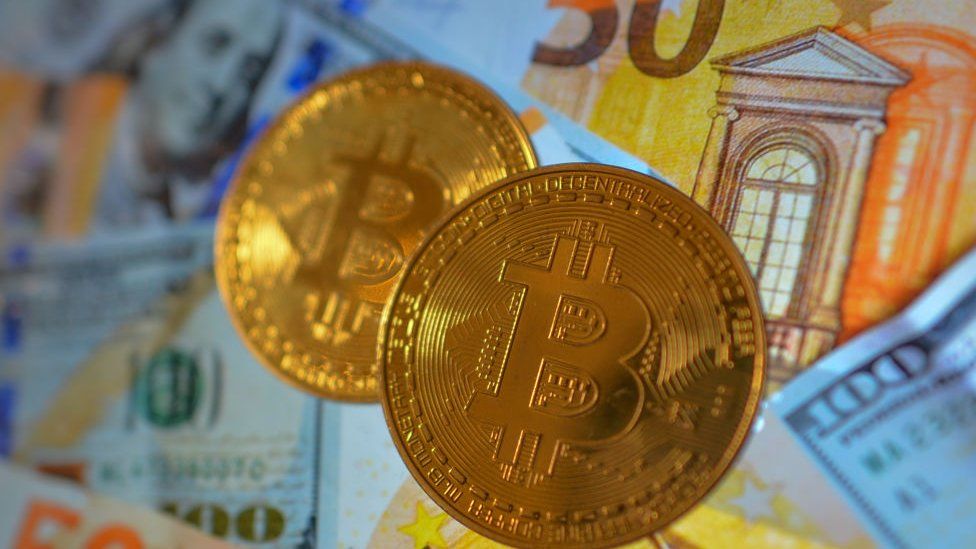
When it comes to money laundering, Bitcoin has stayed one of the prominent outlets. This is the picture that is being presented by the media to the public. Money laundering is as old as money has been since the olden times. Money laundering is the act of making illicit profits seem as though they were all gained lawfully. On the other hand, Bitcoin is a digital asset that’s available worldwide and can be used to make international purchases using Bitcoin Code.
The confidentiality of the internet has given scammers greater freedom to devise ever-complicated schemes to avoid being caught by the law. In light of this, let us examine some recent cryptocurrency crimes and see how you can prevent them.
Some Scams Relating to Bitcoin Money Laundering
Sim Swapping
The first such scam that we will talk about is sim swapping. In this modern era, identity protection has grown leaps and bounds and our society has gotten accustomed to using such devices that enhance such protection in this digital environment. Here it entails that you are utilizing your smartphone to validate your private accounts such as crypto exchanges, banking, etc. Sim swapping is comparatively a new kind of fraud that makes the scammers get in touch with your phone operator so that they switch your mobile number to the sim they have just bought. They get all of their personal information when they speak to the security representative and respond to the security questions that have been asked them. Sim swapping is highly profitable for Bitcoin money launderers since it enables them to shift illicit monies through legal accounts temporarily.
Ransomware
Typically, ransomware is used by hackers to get onto a victim’s computer. However, in extreme instances, the infrastructure of a whole city may be impacted. After gaining access to your computer, a hacker might encode personal information and request a ransom to decrypt it. Here the mode of asking for ransom is in cryptocurrency only. A serious incident in this respect happened in the year 2017 when WannaCry Cryptoworm attacked a window-based computer operating system. Until Microsoft managed to fix the issue, the attack impacted an astounding 200,000 Computers in 150 different countries.
Crypto Exchanges That Are Not Regulated
According to blockchain monitoring company CipherTrace, unregulated exchanges have helped clean up Bitcoin valued at almost $2.5 billion. This is possible because these exchanges do not comply with the terms of the Know Your Customer policy as well as the regulations that are laid by the Anti-Money Laundering Authorities. As per CipherTrace, these unregulated exchanges have possession of most of the Bitcoin cryptocurrency that has been laundered. In addition, users have the option to swap cryptocurrency anonymously through over-the-counter services and decentralized exchanges. Numerous of these services are quite challenging to track down. However, liquidity problems might arise and prevent major payments from happening. At best, it’s challenging to evaluate how these services affect Bitcoin money laundering.
To deal with such problems, various methods such as tumbling and mixing are given. These approaches are taken into consideration so that such practices wipe out the digital domain.
Conclusion
With the advancement of every field there comes risks as well. Since we are talking about money, money laundering is one such evil practice that is being taken up by scammers in the digital area. Some of such common scams have also been taken up in this article as well. I hope all these money laundering techniques have been understood and will make you cautious in the future. Being cautious is the key to being secure from the scams of the digital world.