
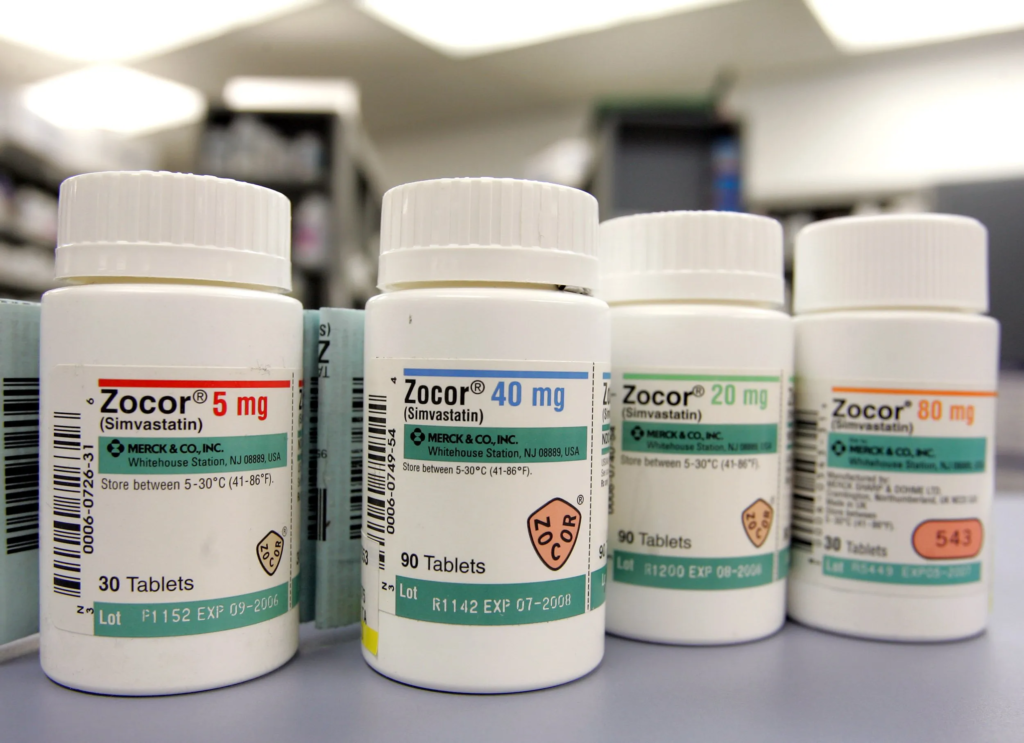
You may face high cholesterol, a condition that increases your risk of heart disease and stroke. Doctors often prescribe statins like Zocor (simvastatin) and atorvastatin (the generic form of Lipitor) to manage this issue. These drugs lower “bad” cholesterol (LDL) and reduce cardiovascular risks. This article compares Zocor and atorvastatin in depth across effectiveness, side effects, safety, cost, and suitability for various health conditions. You will find specific details, data from clinical studies, explanations, and practical instructions to help you discuss options with your doctor.
Effectiveness comparison
Doctors use effectiveness to measure how well a statin lowers cholesterol levels and prevents heart events. Atorvastatin often outperforms Zocor in reducing LDL cholesterol, especially at equivalent doses.
Clinical trials show this difference clearly. One study compared atorvastatin 10 mg to Zocor 20 mg in patients with high cholesterol. Atorvastatin reduced LDL by 37%, while Zocor achieved only 26%. Another trial with over 1,000 participants found atorvastatin 10-20 mg superior to Zocor 20-40 mg, lowering LDL by more than double in some cases. For example, atorvastatin 10 mg cut LDL by 38%, compared to Zocor’s equivalent dose at 28%.
Atorvastatin also excels in high-intensity therapy. You might need this if you have a history of heart attack or very high LDL (over 190 mg/dL). Atorvastatin at 40-80 mg can reduce LDL by 50% or more, while Zocor tops out at 40 mg for most people due to safety limits. A large study of patients after a heart attack showed atorvastatin 80 mg lowered total cholesterol and triglycerides more than Zocor 20 mg.
Both drugs raise “good” cholesterol (HDL) similarly, by 5-10%, and lower triglycerides by 10-30%. However, if you need aggressive LDL reduction, atorvastatin provides better results. To assess effectiveness for yourself, your doctor will check your lipid panel (blood test) before and 4-12 weeks after starting the drug. Aim for LDL below 100 mg/dL, or under 70 mg/dL if you have heart disease.
Side effects comparison
You might experience side effects from either drug, but most are mild and resolve over time. Zocor and atorvastatin share many common issues, though Zocor carries a higher risk for muscle-related problems at certain doses.
Common side effects for both include muscle pain (myalgia), joint pain, diarrhea, and headaches. Data from user reports show atorvastatin causes insomnia (11.4%), pain (11.4%), and cramps (9.1%), while Zocor leads to similar rates: runny nose or sore throat (8%), joint pain (7%), and diarrhea (7%). Both can raise blood sugar levels, increasing diabetes risk by about 9-12% in at-risk people.
Zocor stands out for muscle weakness or pain, especially at 80 mg daily—this dose affects up to 1.5% of users severely, compared to 0.5% for atorvastatin at high doses. Stomach upset occurs in 5-7% of users for both, but atorvastatin may cause more fatigue in women. Rare effects like memory fog or skin rash affect less than 1%.
To manage side effects, start with a low dose (e.g., Zocor 10 mg or atorvastatin 10 mg at bedtime). Report persistent muscle pain to your doctor immediately—it could signal a serious issue. You can switch statins if one causes problems; many people tolerate atorvastatin better than Zocor for muscle concerns.
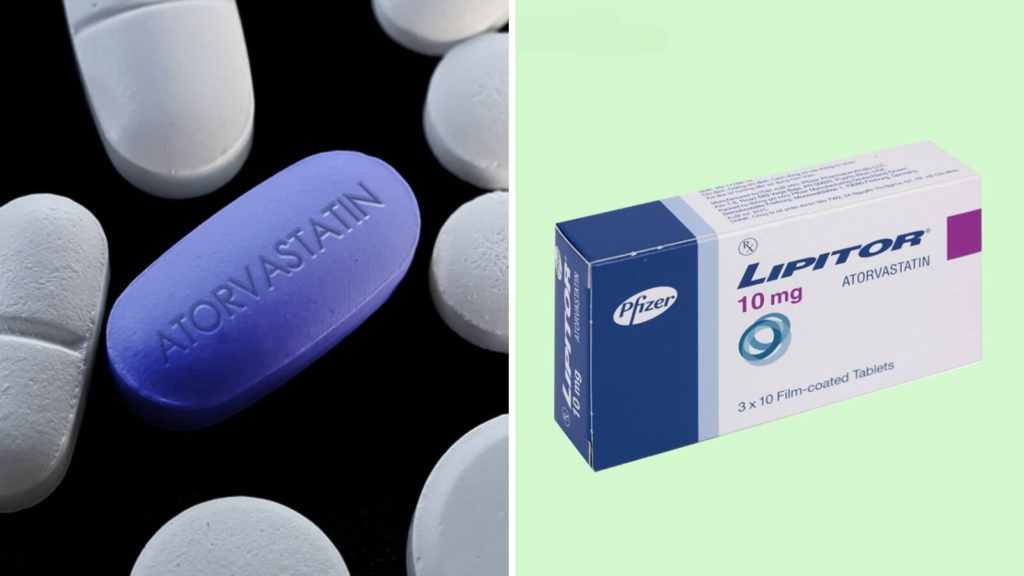
Safety comparison
Safety profiles for Zocor and atorvastatin are strong overall, with serious risks rare when you follow dosing guidelines. Experts link both to muscle and liver issues, but data show low incidence rates.
Muscle injury (rhabdomyolysis) occurs in under 0.1% of users for both, causing severe pain, kidney damage, or even death if untreated. Zocor at 80 mg raises this risk more than atorvastatin, leading the FDA to restrict high-dose Zocor in 2011. Liver damage affects about 0.001%, with elevated enzymes in 1%—similar to placebo. The FDA no longer requires routine liver tests for statins, as serious injury is unpredictable and rare.
Drug interactions pose another safety concern. Both interact with CYP3A4 inhibitors like grapefruit juice or certain antibiotics, raising statin levels and muscle risk. Zocor has stricter limits—e.g., no more than 20 mg with amlodipine—while atorvastatin allows higher doses. Fibrates (for triglycerides) increase rhabdomyolysis risk when combined with either.
For safety, your doctor will monitor you with blood tests at start and annually. Avoid these drugs if you have active liver disease. Elderly or frail people face higher risks, so start low. Overall, benefits outweigh risks for most, reducing heart events by 20-30%.
Cost comparison
Cost matters if you pay out-of-pocket or have high copays. Both are generics in 2025, making them affordable, but Zocor often costs less.
Average retail for 30 tablets: Zocor 20 mg is $3.77-$10, while atorvastatin 40 mg is $8-$140 without discounts. With coupons from GoodRx, you pay $2.48-$8 for atorvastatin and under $4 for Zocor. Annual costs: Zocor around $45-$120, atorvastatin $96-$1,680 cash, but generics drop prices 80-90% from brands.
Insurance covers both well, with copays $0-$10 monthly. Zocor saves more in bulk—hospitals buy it for under $1 per month. If cost concerns you, ask for Zocor first, but factor in effectiveness; switching to atorvastatin might prevent pricier heart issues long-term.
To save, use apps like GoodRx for coupons, buy 90-day supplies, or check patient assistance programs. Compare prices at pharmacies—Walmart often undercuts others.
Suitability for personal health conditions
Your health conditions guide which statin suits you best. Doctors tailor choices based on your risks, like diabetes or liver issues.
For diabetes, both slightly raise blood sugar (9% increased risk), but benefits in preventing heart events outweigh this for most. Atorvastatin may lower inflammation (hsCRP) more in type 2 diabetes, reducing risks further. One study in diabetic patients showed atorvastatin 10 mg better than Zocor equivalents for LDL goals.
If you have kidney disease, choose atorvastatin—it requires no dose adjustment, unlike Zocor. For liver disease, avoid both if severe; monitor enzymes closely otherwise. Heart disease patients benefit more from atorvastatin’s potency, cutting events by 16% vs. Zocor in one trial.
Pregnant? Skip both—they harm fetuses. If you drink heavily, Zocor or atorvastatin could worsen liver strain. For hypertension or multiple meds, atorvastatin has fewer interactions.
Instructions: Share your full medical history with your doctor. Get baseline tests for liver, kidneys, and blood sugar. Reassess after 3 months. If one doesn’t suit you, switch—80% find a tolerable statin.
In summary, Zocor and atorvastatin effectively lower cholesterol, but atorvastatin often provides stronger LDL reduction and better suitability for conditions like diabetes or kidney issues. Zocor costs less and works well for milder cases, though its higher muscle risk at top doses limits use. Side effects and safety are comparable, with rare serious problems. Discuss your needs with your doctor to pick the right one—regular monitoring ensures you stay healthy.