

A dry nose in winter is annoying, but unfortunately for many people it can hardly be avoided during the cold season. However, there are a few things you can do to prevent this or counteract the symptoms.
As soon as the temperature drops, many people complain about a constantly runny or uncomfortably dry nose. In the latter case, the nasal mucosa dries out and the skin becomes tense. Even a burning sensation is usually inevitable. In the worst case, the nose becomes cracked and sore if the dryness persists. This is often not just limited to the inner nasal mucous membranes: the skin around the nose also quickly becomes dry and cracked on the outside in winter.
We’ll show you how you can remedy and specifically prevent a dry nose in winter.
Why does the nose get dry in winter?
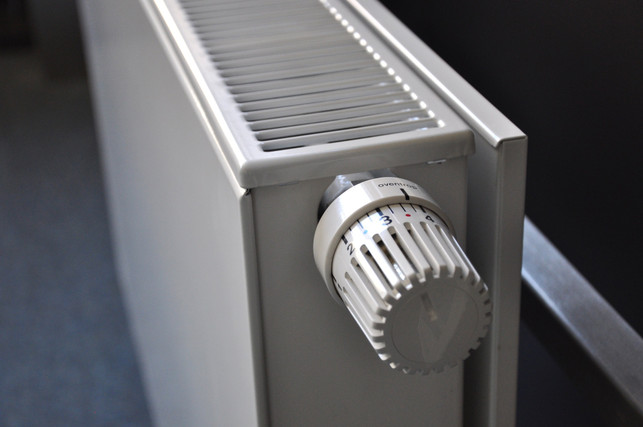
When it gets colder outside, we heat up inside. The dry heating air places a lot of demands on our mucous membranes, so that the nose in particular dries out quickly due to the frequent change between cold air outside and dry heating air inside. The Techniker Krankenkasse (TK) writes that a dry nose is not only unpleasant, but can also increase the risk of colds or bronchitis because a dry nose can fulfill its protective function against dirt particles and pathogens.
That’s why it’s important to prevent a dry nose in winter or, if necessary, to take the right measures to combat dryness.
Note: A rare but possible cause of a dry nose can also be certain medications. If you’ve tried everything and your nose is still always dry, you should consult your doctor to see whether this could be caused by medication.
According to the University Hospital of Zurich, other possible causes of a dry nose (not just in winter) can be:
- Nose operations
- radiotherapy
- Autoimmune disease
- Certain drugs (e.g. cocaine)
- Excessive use of decongestant nasal sprays
Prevention: Against a dry nose in winter

The TK gives tips on how you can keep your nose moist from the inside even in winter:
-
Drink enough: A good supply of water also keeps your mucous membranes moist and can prevent your nose from drying out. You can find out how much you should actually drink a day here: Drink enough: With these tips you won’t forget it in your everyday work. In winter, you can ensure you have enough fluids with certain drinks that strengthen your immune system.
-
Use a humidifier: This keeps the air in your interior moist despite the heating air and puts less strain on your mucous membranes. If you don’t have or don’t want to buy a humidifier, you can simply place a bowl of water on the heater.
-
Inhale with hot steam: According to the TK, this method is very effective for cleaning your nose and promoting blood circulation. You can also inhale with chamomile tea, saline solution, or eucalyptus oil to enhance the healing effects of the method.
Note: The University Hospital of Zurich advises against using hot steam baths without additives. Steam that is too hot would do more harm than good to the nose, according to an expert. The same applies to humidifiers or the bowl of water on the heater. This is more likely to be a breeding ground for mold and not very helpful for dry noses.
As you can see, the recommendations vary somewhat. It’s best to try out for yourself what works best for you personally. In any case, it can’t hurt to try out the tips. But if you already have problems with high humidity or mold in your apartment, it’s best not to use a humidifier.
Treat: This helps with a dry nose in winter
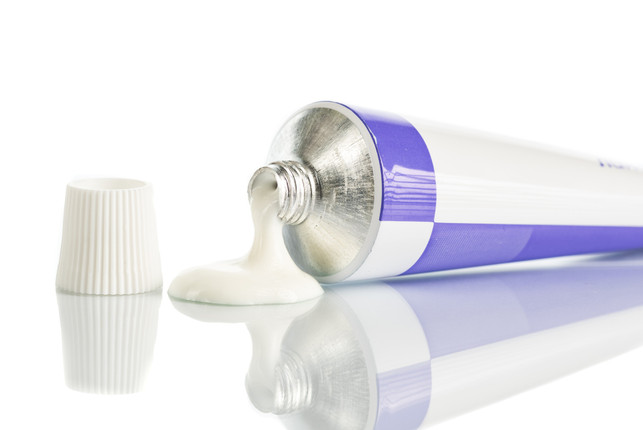
If your nose is already dry, there are also a few things that can help. In addition to the prevention tips above, you can also try these TK tips to provide relief from a dry nose in winter:
-
Nasal spray: The TK particularly recommends nasal sprays with sea salt, dexpanthenol or oils (for example citrus, sage or sesame oil). However, you should not try to treat a dry nose with decongestant nasal sprays, such as those often used for colds. Although these sprays help with a cold in the short term, they tend to dry out the mucous membranes over a longer period of time and can even become addictive.
-
Ointment: If your nose is already so dry that you get a nosebleed, a wound ointment can help. Ask your pharmacy for a suitable ointment to use in your nose. There are also ointments for a dry nose that are specifically tailored to the needs of the nasal mucosa. According to ENT doctors, normal moisturizers for the face or body have no place in the nose. They can disrupt the nose’s natural defense against bacteria and are therefore anything but helpful.
-
Blowing your nose: To avoid irritating your nose, you should make sure to blow your nose properly. Because even a very dry nose can still run in winter. There are a few things to keep in mind. Find out more in our guide to blowing your nose: How to do it correctly and sustainably.
If the outside of the nose is so dry that the skin is cracked and painfully tight, experience has shown that a suitable wound ointment can also help. As is usual when treating dry facial skin, if you have dry skin on your nose, you should initially avoid peelings, acid applications and other facial care that can further irritate your skin. You should adapt your facial skin care to the winter.
Tip: Because a very dry nose can lead to explanation and other infections, the TK recommends a nasal shower to clean a dry nose. According to the health insurance company, there is “hardly any better measure to prevent diseases in the nose area.” You can get everything you need at the drugstore. You can also read everything about the nasal douche here: Nasal douche: Application and effect for colds, hay fever and Corona
When should you seek medical treatment for a dry nose?

According to the University Hospital of Zurich, a dry nose is a case for medical evaluation if you have had the problem for several months. If you can’t get rid of your dry nose in the winter or even afterward, no matter how many measures you try, there could be medication or other causes that you can’t solve with home remedies.
Nosebleeds caused by a dry nose, on the other hand, are not a reason to seek medical help immediately. At least as long as the nosebleed is not unusually severe and does not occur regularly.
You can read even more tips about treating a dry nose (not just in winter) here: Dry nose: causes and home remedies that help
Read more on Techzle\.com:
- Stuffy nose: How to clear it with natural remedies
- Why does your nose run while jogging in autumn?
- Runny nose: This is what you can do if your nose is constantly running
** marked with ** or orange underlined Links to sources of supply are partly partner links: If you buy here, you are actively supporting Techzle\.com, because we then receive a small part of the sales proceeds. More info.