
Essential amino acids are vital for the body. Find out here why we need them and which foods they are contained in.
Essential amino acids take on important functions in the body. The chemical compounds serve as building blocks for proteins and are involved in various metabolic processes.
In contrast to non-essential amino acids, the body cannot produce essential amino acids itself. It is therefore vital to get them through food.
These are the essential amino acids

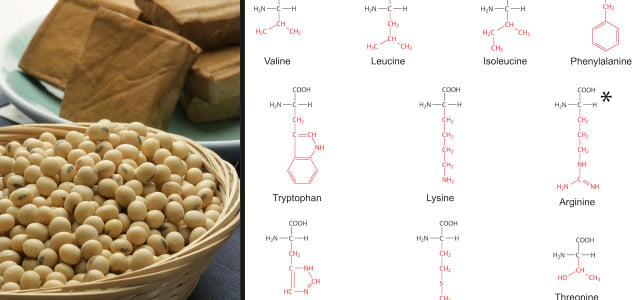
The amino acids isoleucine, leucine, lysine, methionine, phenylalanine, threonine, tryptophan and valine are considered essential for the human organism. Histidine is also an essential amino acid for infants. Under special circumstances, the body also relies on the supply of additional amino acids through food, for example during growth or recovery.
The following daily intakes of essential amino acids per kilogram of body weight are recommended:
-
Histidine: 14 mg
-
Isoleucine: 19 mg
-
Leucine: 42 mg
-
Lysine: 38 mg
-
Methionine: 19 mg
-
Phenylalanine: 33 mg
-
Threonine: 20 mg
-
Tryptophan: 5 mg
-
Valine: 24 mg
For example, if you weigh 60 kilograms, you should consume 84 milligrams of histidine. All essential amino acids can be obtained through food, including purely plant-based foods.
Essential amino acids: This is what they do

Essential amino acids are important for our health and also strengthen the immune system, for example. According to the Journal of Orthomolecular Medicine, they are most important to us as protein building blocks.
The effect of the essential amino acids often depends on the interaction with other amino acids, which is why a balanced diet is essential for good supply. Amino acids also play an important role in the health of skin, hair and nails.
The essential amino acids have the following tasks:
-
Isoleucine: Isoleucine is important for regulating body weight and building muscle mass.
-
Leucine: The essential amino acid regulates metabolism and is used as a dietary supplement to treat obesity and diabetes.
-
Lysine: Lysine helps with growth and muscle building. The essential amino acid can also reduce stress and improve the absorption of calcium. According to the Journal of Orthomolecular Medicine, lysine is important for the skin and human connective tissue because it is also found in collagen, for example.
-
Methionine: This amino acid is important for cell and DNA function. The body needs methionine to build proteins.
-
Phenylalanine: Like any amino acid, phenylalanine is essential for the formation of protein and is needed for the production of dopamine and adrenaline. This amino acid can also have a pain-relieving effect.
-
Threonine: Threonine is converted into glycine in the body. It can strengthen the immune system and, according to some studies, increase lifespan.
-
Tryptophan: Tryptophan is a precursor to important molecules such as serotonin and melatonin. It plays an important role primarily in growth, but also in energy metabolism, bone health and the function of the intestines and brain.
-
Valine: This essential amino acid protects against oxidative stress and strengthens mitochondria, which are important for our cells. It also ensures muscle growth and can reduce fatigue.
Essential amino acids in foods and foods
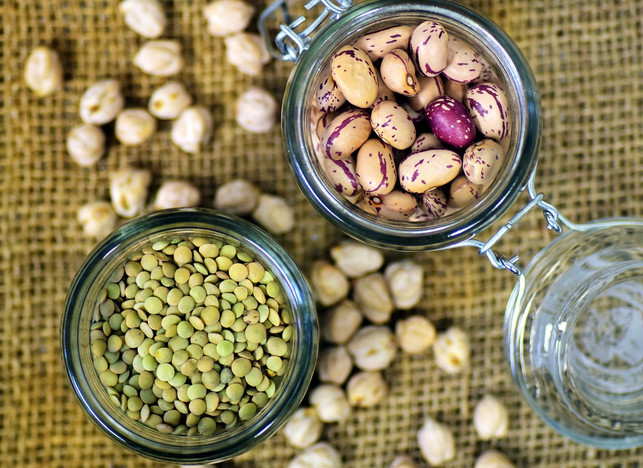
You can absorb all essential amino acids through food. They are found in animal products, but a purely plant-based diet can also provide the body with enough essential amino acids. According to the Journal of Orthomolecular Medicine, it is mainly legume protein that is rich in essential amino acids.
The following foods are particularly good sources of amino acids because they contain both large amounts and often several different types of essential amino acids:
-
Legumes: especially soybeans, lentils, peas, mung beans
-
Nuts and seeds: especially cashews, peanuts, almonds, hemp seeds
-
Grains: bran, oat flakes, whole grain bread, millet, buckwheat
-
Green vegetables: spinach, broccoli, lamb’s lettuce
Large amounts of essential amino acids are also found in dairy products such as Gouda, Emmental or Edam cheese. However, there are also good reasons not to consume dairy products.
Combination of legumes and grains as an optimal source
What is fundamentally important is a balanced mix of essential amino acids. As already mentioned, the amino acids do not work independently of one another in the body, but rather form chains with each other or are needed to produce other amino acids. It is therefore advisable to eat certain foods together. The combination of legumes and grains in particular is an optimal source of essential amino acids.
The need for essential amino acids can easily be met through a varied and balanced diet with a high proportion of vegetables, legumes and grains. An isolated intake of essential amino acids via dietary supplements is therefore generally not necessary. This also applies to endurance athletes or recreational sports.
Edited by Lea Hermann
Read more on Techzle\.com:
- A dash of vinegar in lentil dishes: Why it can save your food
- Neither cooked nor raw: This is how broccoli retains its valuable vitamins
- Nutrition expert: This is the perfect breakfast – and here’s how to prepare it
** marked with ** or orange underlined Links to sources of supply are partly partner links: If you buy here, you are actively supporting Techzle\.com, because we then receive a small part of the sales proceeds. More info.