
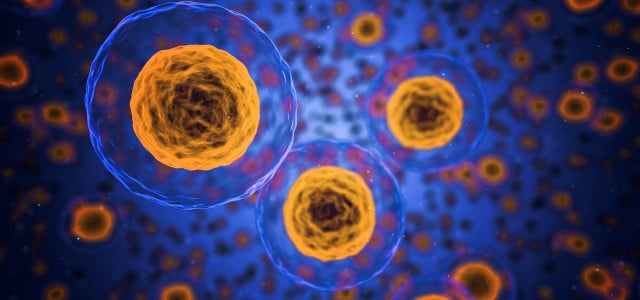
Free radicals are considered dangerous chemical compounds that cause us to age prematurely and make us weak and sick. But what are they really all about?
We encounter free radicals every day. They arise in the body itself, for example during normal metabolic processes, but also through external influences such as UV radiation, air pollution or cigarette smoke. To a certain extent they are even necessary. However, if the balance is out of balance, free radicals can damage cells and set off so-called oxidative processes.
What initially sounds abstract has concrete effects on our health and well-being. It is all the more important to understand how free radicals are formed and what we can do in everyday life to support our body.
What are free radicals?
Free radicals are compounds with an unpaired electron. This means that they are missing an electron, so to speak. So they are incomplete and therefore unstable.
In order to reach a stable state again, they want to react with other substances as quickly as possible and steal an electron from them. The most important representative of this group is the oxygen radical. Further radicals are formed through the reaction with other compounds. This can trigger a series of chain reactions.
When free radicals steal an electron from other chemical compounds, essential components of a cell can be damaged, which severely limits cell function. Damage to a cell’s DNA is particularly problematic. The damage is passed on as cells divide, so that entire tissues can be affected.
However, a certain amount of free radicals is important for the body. They fulfill an essential function for the organism by being used as a means of the immune system against foreign substances. Free radicals attack bacteria and viruses, for example, and destroy the pathogens.
However, if the proportion of oxygen radicals is too high, this is referred to as “oxidative stress.” The resulting cell damage can lead to premature aging and promote the development of diseases such as cancer, arteriosclerosis or Alzheimer’s.
What causes free radicals?
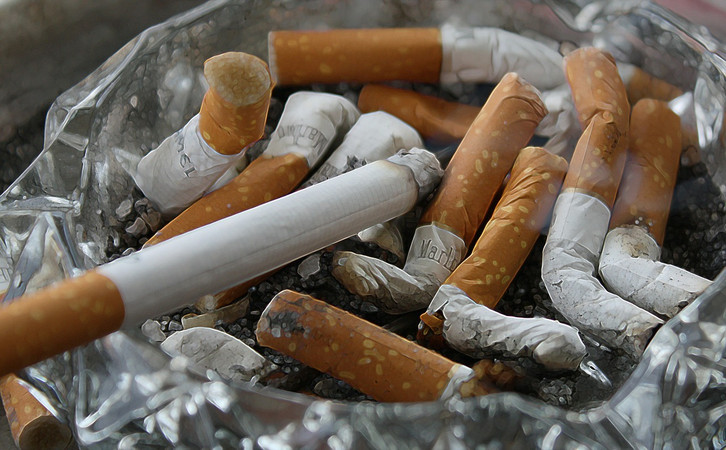
Free radicals arise in all human cells. On the one hand, their formation is triggered by various reactions in the body, for example in mitochondria and microsomes. External factors that contribute to the formation of radicals include UV light, heat, radiation as well as pollutants and poisons.
A very high proportion of free radicals and the resulting oxidative stress are promoted by the following factors:
-
Alcohol, nicotine and other drugs
- unbalanced diet
-
Depression, anxiety, stress
- Injuries and infections
- Operations
- frequent inhalation of exhaust fumes
- Pesticides
- excessive competitive sports
A lot of free radicals are created, especially when stress hormones are broken down. This can be due to psychological stress, such as depression. But physical stress during extremely long and strenuous sporting activities is also a serious cause.
The opponents of free radicals: antioxidants
So-called antioxidants react with the incomplete oxygen compounds. This prevents oxidation and can neutralize the free radicals again. They also owe their nickname “radical catchers” to this fact.
On the one hand, they are produced by the body itself, for example in the form of enzymes or hormones. Antioxidants that are obtained through food include:
- Vitamin C
- Vitamin E
- selenium
- zinc
- secondary plant substances, such as carotenoids or flavonoids
The effect is not caused by an isolated antioxidant, but rather by the interaction in an antioxidant network.
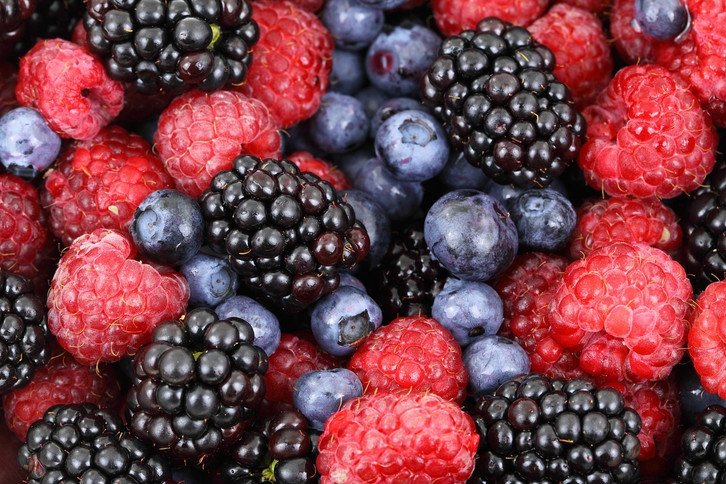
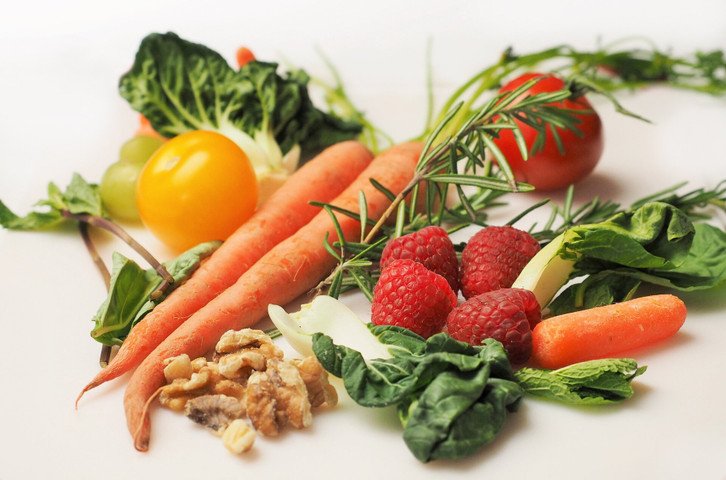
Fresh fruit and vegetables in particular contain many antioxidants, especially vitamin C and various secondary plant substances. These are often found in or directly under the shell, which is why you should eat them if possible. Other foods that are rich in antioxidant substances include herbs, seeds and nuts, cocoa, coffee and certain types of tea.
With a balanced and healthy diet, you automatically get enough antioxidants. It is therefore not necessary to take dietary supplements. On the contrary, an overdose of antioxidants can actually have a negative impact on your health.
How dangerous are free radicals really?
In 1956, the American Denham Harman proposed the “free radical theory”. It states that free radicals promote the aging process by damaging cell components. This leads to premature aging. The model is also used to explain the development of various diseases.
Because of this theory, free radicals are still wrongly portrayed as dangerous compounds that can dramatically shorten our lives. This myth primarily benefits the nutritional supplement industry, which promises a long and happy life with high-dose vitamin preparations. However, too high a proportion of antioxidants can also make us sick, as free radicals fulfill important functions for our immune system.
However, if the proportion of free radicals is constantly increased, it has now been scientifically proven that the risk of various diseases increases drastically. A study from 2010 confirmed this for the neurological diseases Parkinson’s and Alzheimer’s, for example.
Conclusion: The dose makes the poison
As is often the case, in this case too it is important to maintain a healthy balance between free radicals and antioxidants. Both fulfill important functions in the body, but in too large quantities can have negative effects.
However, with a healthy lifestyle, your body creates this balance all on its own. You should pay attention to a balanced diet, appropriate sporting activities, space for relaxation as well as calmness and contentment. You should avoid negative influences such as smoking, heavy alcohol consumption and unnecessary vitamin tablets as well as constant pressure to perform or stress.
Edited by Adriana Jodlowska
Read more on Techzle\.com:
- Vitamins – everything you should know about them
- Healthy eating: 10 nutritional myths
- Hyperacidity and alkaline diet: What’s wrong with alkaline diet?
** marked with ** or orange underlined Links to sources of supply are partly partner links: If you buy here, you are actively supporting Techzle\.com, because we then receive a small part of the sales proceeds. More info.