

Fructose intolerance is widespread in Germany. You can find out here what symptoms and causes there are and how the intolerance can be treated.
According to AOK, fructose intolerance is defined as an intolerance to fructose. This can be congenital or only appear over time as an acquired intolerance. The former is extremely rare. Those affected find the symptoms of fructose intolerance annoying.
The good news: There are ways in which you may be able to consume and avoid fructose despite an intolerance. You can find out everything you need to know in this article.
The symptoms of fructose intolerance
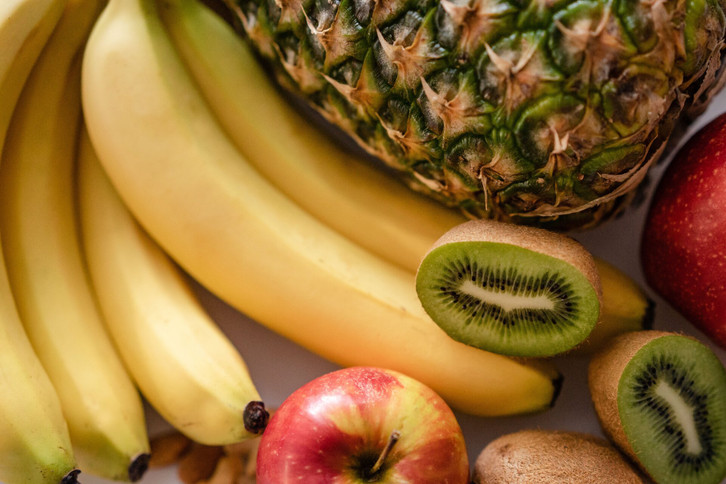
Do you often have that uncomfortable feeling in your stomach even though you haven’t actually eaten anything unusual or unhealthy? Then you may suffer from fructose intolerance.
According to AOK, symptoms of non-congenital intolerance are:
- stomach pain
- nausea
- Feeling of pressure or fullness
- Flatulence
- Diarrhea
The symptoms vary from person to person and depend, among other things, on how much fructose you have consumed. It also makes a difference which other foods you have consumed along with the fructose. Symptoms appear immediately in some of those affected, while in others they only appear up to 48 hours later, according to the Helios Clinic. This is one reason why the intolerance is sometimes only recognized late. If there is reasonable suspicion, a doctor can test you for fructose intolerance.
Congenital fructose intolerance first becomes apparent when children switch to solid food. Symptoms can be:
- Low blood sugar (hypoglycemia)
- Liver and kidney damage
- Vomit
- Sweats
- Seizures
- mental decline
- Loss of appetite
- Growth disorders
Sometimes such signs go unnoticed for years because children develop a natural aversion to foods containing fructose (e.g. sweets and fruit), as the AOK explains. The whole thing is then often misinterpreted and it is assumed that the children are simply picky about food. Congenital fructose intolerance is therefore sometimes only diagnosed in adulthood.
Why does intolerance occur?

Fructose, or colloquially also fructose, is not only found in fruit, but (sometimes) also in:
- dried fruit
- Vegetables
- Honey
- Baked goods and confectionery, muesli bars
- fruit juices and soft drinks
- and sweet spreads
The Helios Clinic explains: People with fructose intolerance lack messenger substances that transport fructose into the blood for the metabolic process. This means that fructose cannot be (completely) metabolized in the small intestine, as in other people. Instead, it enters the large intestine unprocessed and can influence the bacterial flora there. Fermentation processes are set in motion. This creates gases, which in turn cause flatulence and discomfort.
- The most common variant of fructose intolerance is not hereditary and occurs at some point during life. This is referred to as fructose malabsorption, according to the German Nutrition Society (DGE). Here the fructose is not really not tolerated, but rather poorly absorbed in the small intestine and is therefore only processed in large quantities in the large intestine. This produces acids and gases that cause diarrhea and/or flatulence. If this intolerance only becomes noticeable in adulthood, it usually remains for life.
- Hereditary fructose intolerance is much rarer, but also more problematic. Here the fructose is absorbed in the intestine, but is not broken down due to an enzyme defect. This then leads to, among other things, dangerous liver problems. Then those affected cannot consume foods containing fructose for the rest of their lives.
In both cases one speaks colloquially of “intolerance”. This can be dangerous if it is always assumed that malabsorption is more common and less dangerous, but there is actually a real intolerance.
So you can still consume fructose

People who suffer from acquired fructose intolerance can still consume fruits, vegetables, honey and the other critical foods in certain circumstances and in moderation.
-
Small amounts of fructose are often not a major problem for digestion.
- The DGE points out that fructose is easier to tolerate when consumed at the same time as proteins and fats. In combination with, for example, quark, fruit becomes more tolerable.
- It is also recommended not to consume fructose on an empty stomach.
- Foods that contain glucose in addition to fructose are also digestible. Glucose stimulates the transport of fructose. You can use tables to compare the fructose and glucose content of fruits and vegetables. (If the value of the ratio is above 1, the food is digestible.)
A treatment you can try

According to AOK, to make fructose more tolerable for your body again, you can try a method with the following steps:
1. In the first phase, you try to consume as few foods containing fructose as possible for a maximum of two weeks. This allows digestion to calm down and normalize.
2. In the four to eight week test phase you can try out which foods you can or cannot digest and to what extent. Try small amounts first. If you have complaints, you know exactly where it comes from and you can draw your conclusions.
3. Now you can change your diet back to more fructose in the long term. You can gradually increase the amount of fructose you consume. The experiences from the test phase will help you. By gradually getting used to it, you can increasingly expand your tolerance limit. You may be able to digest increasing amounts of fructose.
Edited by Jennifer Watzek
Read more on Techzle\.com:
- Lactose intolerance: symptoms and dairy-free alternatives
- Common misconception: What fructose really does to your body
- Sugar substitutes: How healthy are stevia, maple syrup, agave syrup and other sugar alternatives?
** marked with ** or orange underlined Links to sources of supply are partly partner links: If you buy here, you are actively supporting Techzle\.com, because we then receive a small part of the sales proceeds. More info.