
Hair loss can be a frustrating and embarrassing problem for many people. While there are various treatments available, hair transplantation has become a popular and effective solution for restoring natural-looking hair. In this article, we’ll explore what hair transplantation is, how it works, and what to expect from the procedure.
What is Hair Transplantation?
Hair transplantation is a surgical procedure that involves taking hair follicles from one area of the body, typically the back or sides of the scalp, and transplanting them to the bald or thinning areas of the scalp. The procedure is typically performed under local anesthesia and can take several hours to complete, depending on the extent of the hair loss and the amount of hair being transplanted. Hair transplantation has proven to be a safe and effective solution for those who suffer from hair loss.
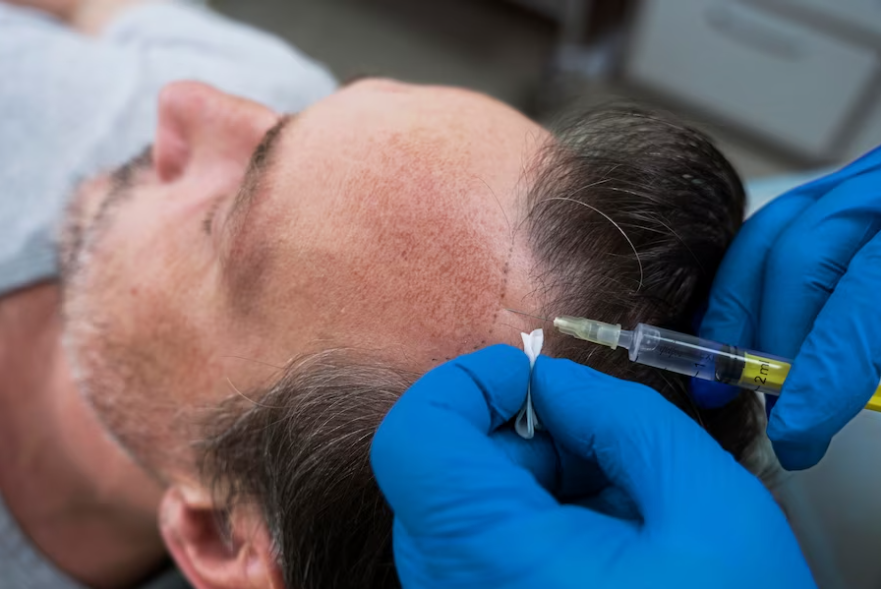
There are two primary methods of hair transplantation: follicular unit transplantation (FUT) and follicular unit extraction (FUE).
Follicular Unit Transplantation (FUT)
FUT, also known as the strip method, involves taking a strip of skin with hair follicles from the donor area and then dissecting it into individual follicular units. The hair follicles are then transplanted into the bald or thinning areas of the scalp. This method typically leaves a linear scar at the donor site, which can be concealed with hair growth.
Follicular Unit Extraction (FUE)
FUE involves taking individual hair follicles from the donor area using a small punch tool and then transplanting them into the recipient area. This method does not leave a linear scar, but multiple small circular scars that are not noticeable. FUE is generally considered to be a less invasive method of hair transplantation than FUT.
How Does Hair Transplantation Work?
Hair transplantation works by taking hair follicles from an area of the scalp that has healthy hair growth and transplanting them to the bald or thinning areas of the scalp. The transplanted hair follicles will continue to grow hair in the new area as they would have in the donor area. The transplanted hair will also maintain the same characteristics as the hair in the donor area, including texture, thickness, and color.
The Procedure
The hair transplantation procedure typically starts with the surgeon marking the areas of the scalp that will receive the hair follicles. Next, the surgeon will administer local anesthesia to the donor and recipient areas. For FUT, the surgeon will remove a strip of skin from the donor area and then stitch it closed. For FUE, the surgeon will use a small punch tool to remove individual hair follicles from the donor area.
Once the hair follicles have been harvested, the surgeon will make tiny incisions in the recipient area to insert the follicles. The follicles are carefully placed to create a natural-looking hairline and density. The number of follicles that can be transplanted in a single session depends on the extent of the hair loss and the amount of donor hair available.
What to Expect After the Procedure
After the hair transplantation procedure, the scalp may be tender and swollen for a few days. Patients will be given pain medication and instructions on how to care for the scalp and hair during the recovery process. Patients may also be advised to avoid certain activities, such as strenuous exercise or swimming, for a few weeks after the procedure.
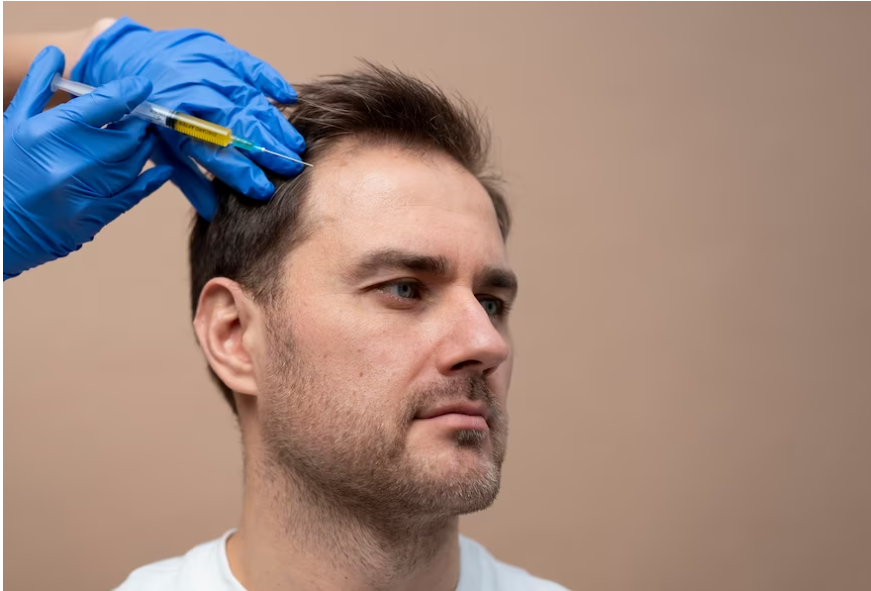
In the weeks following the procedure, the transplanted hair may fall out, which is a normal part of the healing process. However, new hair growth should start to appear within a few months, and the full results can take up to a year to become noticeable.
Who is a Good Candidate for Hair Transplantation?
Hair transplantation is typically recommended for individuals with male or female pattern baldness or those who have experienced hair loss due to injury or scarring. Good candidates for hair transplantation should have healthy hair growth in the donor area, be in good health, and have realistic expectations for the outcome of the procedure. It is also important that candidates have a stable supply of donor’s hair to ensure a successful transplant.
Hair transplantation may not be suitable for individuals with certain medical conditions, such as blood clotting disorders or uncontrolled diabetes. Additionally, individuals who are taking certain medications, such as blood thinners, may need to stop taking them before the procedure.
It is important to consult with a qualified hair transplant surgeon to determine if hair transplantation is a suitable solution for your hair loss. The surgeon will evaluate your hair loss pattern, examine your donor’s hair, and discuss your expectations and concerns to determine the best approach for achieving your desired results.
Conclusion
Hair transplantation is a safe and effective solution for restoring natural-looking hair for those experiencing hair loss. Whether you opt for FUT or FUE, the procedure involves transplanting hair follicles from one area of the scalp to another. After the procedure, patients can expect a recovery period, with new hair growth starting to appear within a few months. It is important to consult with a qualified surgeon to determine if hair transplantation is a suitable solution for your hair loss and to ensure the best possible outcome.