
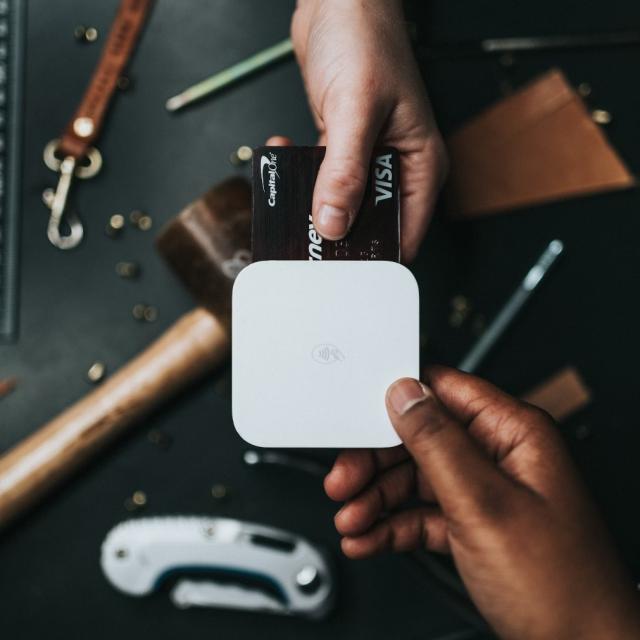
Online transactions are extremely convenient, whether you order some food from a local restaurant, make a bank transfer, or purchase a Christmas present from an international online store. But you should not forget that there are also many dangers lurking on the internet! Not all websites and companies are equally reliable, and you can also become a victim of malicious third parties.
So it’s of the utmost importance that you know the best practices in online payment security so that you can always shop with peace of mind.
To start with, we must make it clear that you have a lot of control over yourself. Yes, external attacks are the biggest danger, but you can take steps yourself that will make it very difficult to intercept your transactions.
Never do business with companies or people who offer you a questionable payment method. Consider, for example, a common scam where online scammers have you install software on your device, which you then have to log in with your bank details. Never do this! There are plenty of secure payment methods, such as internet banking via your own bank’s app, which gives you strong layers of security and a high degree of consumer protection.
Other options include anonymous payment methods, such as prepaid cards or cryptocurrency. You can purchase prepaid cards somewhere physically or digitally, and using a code you can purchase things online without having to enter sensitive data.
Cryptocurrency offers users a way to conduct transactions safely, quickly and most importantly anonymously, whenever and wherever they want. There are also plenty of available cryptocurrencies you can pay with, such as Bitcoin, Ethereum, and depending on where you want to pay, it may even be possible to transact with the top 11 new cryptocurrencies.
If you want to purchase something or deposit money into an account at a website, you must ensure that the website is encrypted, in other words that there is HTTPS in the name of the website. You can also recognize this by the padlock to the left of the URL. This means that there is an SSL certificate on the website, which will make the data exchanged between your browser and the website unreadable for third parties.
Always choose strong passwords when you log in somewhere, so that they are difficult or even impossible to guess. For example, your daughter’s name is a bad idea, as is your date of birth or any other code that can be linked to you. Instead, choose a random series of numbers, letters and special symbols, such as D11@*Smkql3. This is a lot harder to crack!
Always use additional layers of security if applicable, such as two-factor authentication (2FA), which, for example, will send a code to your mobile phone or via an authentication app. Even better is biometric authentication, where you will have to use your fingerprint or a scan of your face to log in to, say, your internet banking.