
The vagus nerve is considered an insider tip for stress and anxiety. But what is actually behind the hype surrounding the supposed “calming hack” of the body and which methods of vagus nerve stimulation have been scientifically proven?
Humming, gargling, ice water on the face or ear massage: the vagus nerve is currently being celebrated on social media as the key to more relaxation, better sleep and less stress. Influencers even promise help with anxiety, digestive problems or the consequences of trauma.
But what does science say about this and which tips are more wellness myths than medically proven methods? In this article you will learn everything about the vagus nerve.
What is the vagus nerve?

The vagus nerve is the longest of the twelve cranial nerves and runs from the brain to the human abdomen – more precisely from the brain through the neck and chest to the abdomen. Among other things, it connects the heart, lungs and digestive organs with the brain.
The vagus nerve is a central component of the so-called parasympathetic nervous system, the part of the nervous system that is responsible for processes when the body is at rest. It activates digestion, stimulates various metabolic processes and ensures relaxation. When we are relaxed, heart rate and stress reactions decrease while regeneration is promoted.
This is based on the assumption that activating the vagus nerve could have a calming effect.
Where does the vagus nerve hype come from?
The trend is based on two developments:
-
Medical research on vagus nerve stimulation (VNS): Electrical vagus nerve stimulation involves delivering weak electrical impulses to the vagus nerve. This is done either via a surgically inserted stimulator with electrodes on the nerve in the neck area or via non-invasive devices that are intended to stimulate the nerve via the skin on the neck or via certain areas of the ear.
-
Social media trends around “vagus nerve hacks”: This gave rise to the idea of being able to specifically “activate” or “train” the nerve with simple exercises in everyday life. Numerous methods with great promises are being promoted on TikTok, Instagram and Co.
Does vagus nerve stimulation really help against stress?
The short answer: partly yes – but often not for the reasons claimed online.
There is scientific evidence that certain forms of vagus nerve stimulation can influence stress responses. Electrical stimulation (VNS) has been particularly well studied. Non-invasive variants are also currently being intensively researched and the results are considered promising in some areas: electrical vagus nerve stimulation is already approved for certain forms of drug-resistant epilepsy, is also used in some countries for previously untreatable depression, and studies have also shown potential in the rehabilitation of strokes.
In addition, the benefits of electrical stimulation are being investigated for numerous other areas of application – including:
- Cardiovascular diseases
- chronic pain
- Gastrointestinal diseases
- Autoimmune diseases
- neurodegenerative diseases
-
diabetes
For many of these applications, however, the evidence is not yet sufficient to make clear recommendations.
While many “vagus hacks” promoted on social media have hardly been scientifically studied, slow breathing is considered an exception. Studies suggest that it may promote vagus nerve activity, helping to regulate stress. Cold water on the face also had positive effects (more on that below).
However, there is currently no reliable evidence of the effectiveness of methods such as humming, gargling or special ear massages. It is unclear whether they actually specifically activate the vagus nerve. Anyone who finds such exercises pleasant or relaxing can integrate them into their everyday lives – but the big health promises made by many influencers have not yet been backed by serious studies.
Exercise: Slow breathing

The effect that conscious, slow breathing has on the vagus nerve has been best studied. In particular, prolonged exhalation should ensure relaxation. Studies show that breathing exercises can reduce stress and anxiety. They are thought to promote parasympathetic processes and help the body get out of fight-or-flight mode.
Here’s how:
- Inhale for four seconds
- Breathe out for six to eight seconds
- Repeat for two to five minutes
Social Media Trends: Humming and Ear Massage
If you still want to try out the vagus nerve exercises that are popular on TikTok and Instagram, there is usually nothing wrong with them. Two commonly recommended examples are humming and ear massage. When humming, you exhale slowly and produce a steady tone.
Whether these methods actually specifically stimulate the vagus nerve has not been sufficiently scientifically proven. However, that doesn’t mean that they are ineffective: such small rituals help many people to consciously pause, concentrate on their own body and bring a moment of calm into their everyday lives. This short break alone can have a relaxing effect.
Exercise: Cold water on the face
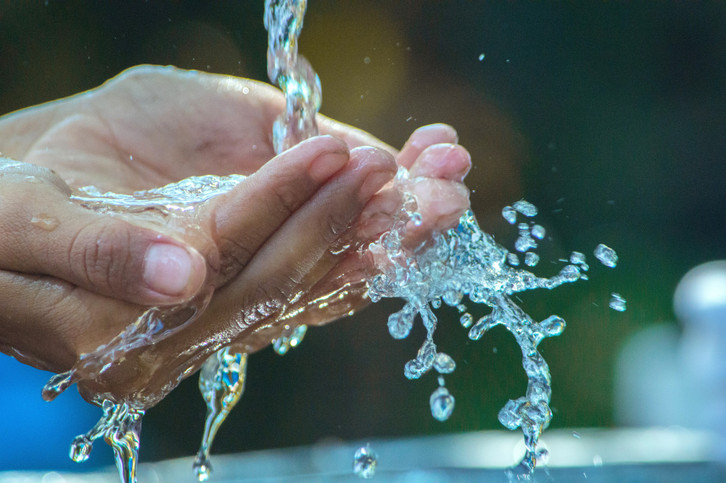
A splash of cold water on the face can be more than just a quick refresher. There is a physiological mechanism behind this known as the “diving reflex”. When cold water hits the skin around the eyes, nose and cheeks, certain facial nerves are activated.
This causes the autonomic nervous system to react: the parasympathetic nervous system – which is responsible for rest and recovery – becomes more active, while the body’s stress reaction can be dampened. Researchers were able to show that the so-called “cold face test” method increases the activity of the vagus nerve and at the same time can reduce the release of the stress hormone cortisol. This can help you calm down more quickly after an acute stressful situation.
To use it, all you need is cold tap water or a bowl of cool water. Lean over the sink and let the cold water run over your forehead, eye area and cheeks for about ten to 20 seconds. Alternatively, you can briefly immerse your face in a bowl of cold water. It is important that the areas around the eyes and nose come into contact with the water. Then continue breathing normally and feel for a few seconds. The exercise is particularly suitable for acute tension, nervousness or the feeling of being “under power”.
Caution: If you have cardiovascular diseases, you should, as a precaution, have a doctor clarify whether it is advisable to expose yourself to strong cold stimuli.
Read more on Techzle\.com:
- Reduce stress: 7 tips to slow down your life
- Live healthier: We can learn these eight things from other countries
- Psychologist: If you regularly say one of these 9 sentences, you are emotionally more stable than most others
** marked with ** or orange underlined Links to sources of supply are partly partner links: If you buy here, you are actively supporting Techzle\.com, because we then receive a small part of the sales proceeds. More info.