
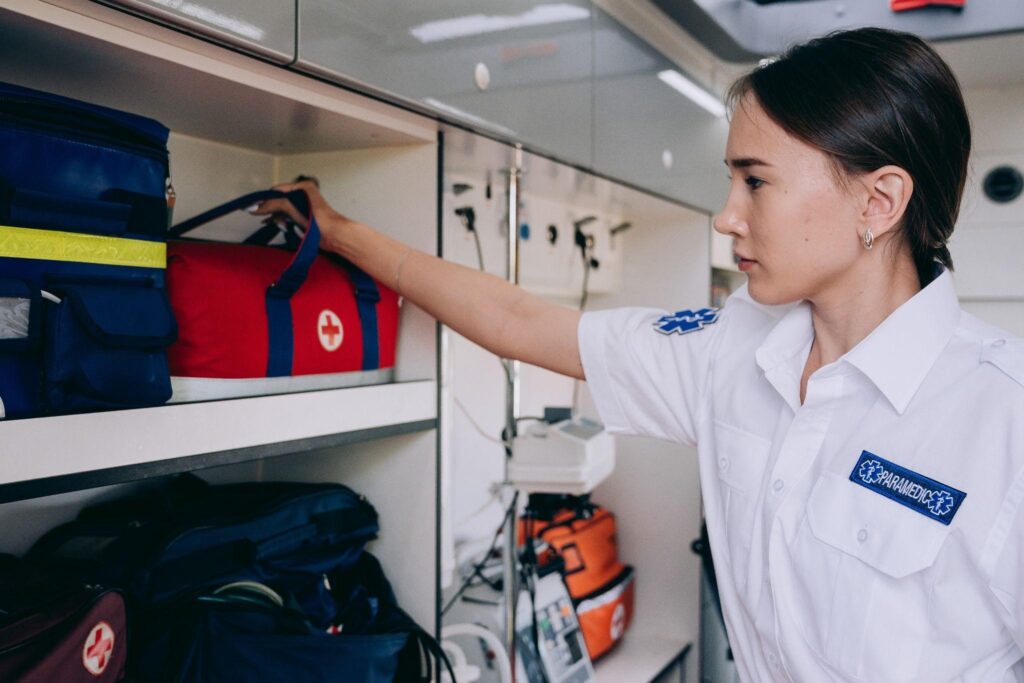
First aid kits are essential for every home. They’re a must-have for every family, as well as any workplace or other shared space where people may hurt themselves in the course of normal life. But they come in all shapes and sizes, and knowing what to look for can be overwhelming. That’s why we’ve created this guide, with the help of NZ Survivor, a website selling first aid kits in NZ, to help you understand exactly what you need in a first aid kit—and how to get it at a great price.
Buy a kit that will cover multiple injuries.
The best first aid kits are the ones that can cover multiple injuries. You never know what kind of injury you’ll encounter, so it’s best to be prepared for anything. For example, you might think you’re only going to need minor bandages and antiseptic wipes when someone gets a small cut on their finger or scrapes their knee. But what if they accidentally cut one of their fingers off? That would require much more than just a bandage–you’d need stitches! Or maybe someone gets hurt so badly that they end up in the hospital because no one else was around with any medical training (this happens more often than you might think).
The point is: Be prepared for anything! Make sure your kit has enough supplies to handle both minor and severe injuries so that everyone stays safe during an emergency situation at home or work
Consider how you’ll use the first aid kit.
The first thing to consider when purchasing a first aid kit is what you’ll be using it for. For example, if you are going camping and plan on spending the weekend outdoors with friends, then a small travel-sized kit may be sufficient. However, if your kids play sports or do martial arts and have frequent injuries, then having a large first aid kit at home will come in handy.
If space is an issue for you, there are many compact kits available that contain everything from bandages to antiseptic wipes and pain relievers. When deciding how big or small of a kit should be purchased based on personal needs as well as space considerations such as size/weight limitations (e.g., airline carry-on luggage), consider:
- How often will this item be used? Will I need something more extensive than what comes standard with my car’s glove compartment?
- How much room does it take up in my vehicle? Am I willing–or able–to store additional items (such as jumper cables) behind my seat rather than underneath so they aren’t lost under various bags during long trips away from home?
Make sure to include everything you would need.
- Include a first aid guide.
- Include a list of emergency phone numbers, including the number for your local poison control center and any other important numbers to have on hand in case something happens to you or someone else in your family.
- List any allergies or medications that the kit user takes, as well as their dosages (if relevant). This will help you treat them more effectively if they’re injured and unable to communicate with you about what’s wrong with them.
- If there are other people living in the house who need their own kits, include contact information for each one so that they can be reached in case of an emergency and made aware that there has been an incident involving someone else in the household who may require medical attention as well!
Choose a durable case or bag to store your kit in.
The case or bag that you choose to store your first aid kit in is an important decision. You will want to make sure it is durable and easy to carry, so that it can be transported easily in an emergency. It also needs to protect the contents of your kit from damage and contamination, as well as being waterproof (if possible). Finally, it should be easy for cleaning purposes and have enough room for all of the items you plan on keeping inside of it.
Don’t forget about personal items like medications and contact lenses.
In addition to the standard first aid kit contents, it’s a good idea to include any medications that you take regularly. If you wear contact lenses or eyeglasses, be sure to pack them as well (along with solutions for both). If there’s an emergency and you need help finding your doctor or pharmacist, add their contact information to the kit. The same goes for family members who might come looking for you if they hear about an accident in time–include their phone numbers as well!
Finally, remember that this isn’t just a safety tool; it can also serve as an emotional toolkit during times of stress or distress by helping others feel cared for even when they’re far away from home and loved ones
Takeaway:
First aid kits are essential for any home, office or vehicle. They can save lives and help you stay safe in the event of an emergency.
First aid kits come in many shapes and sizes. The most common types are:
- Portable kits that fit in your purse or pocket (also known as “mini-kits”)
- Medium-sized kits that fit into a backpack or duffel bag
- Large cabinets full of medical supplies
Conclusion
We hope this guide has helped you to make the best decision for your first aid kit. Remember to consider how you’ll use it, and make sure that everything is included in your kit that you would need in an emergency situation. We also recommend choosing a durable case or bag for storing all of your supplies!