
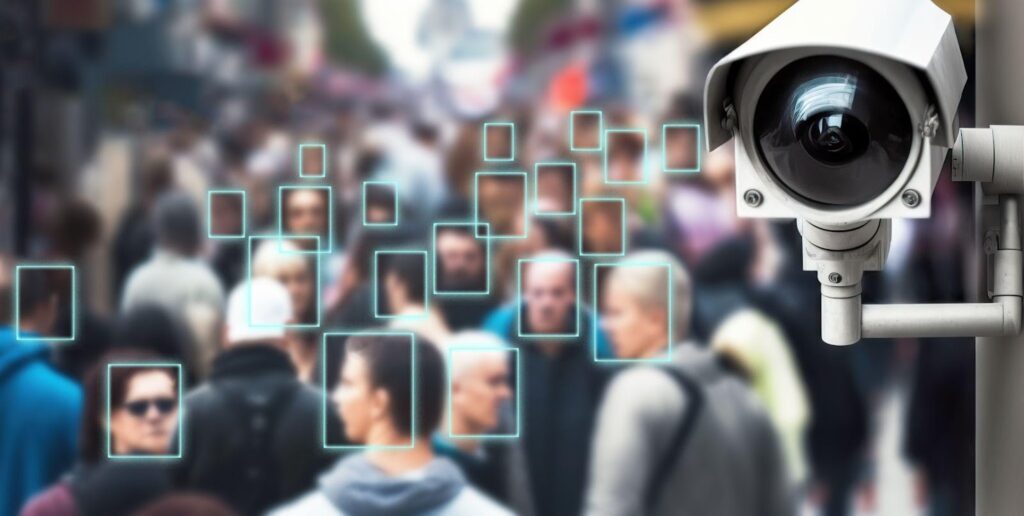
In recent years, facial recognition camera systems have become ubiquitous, penetrating deeply into our everyday lives. This development may well be due to a combination of technological breakthroughs and heightened awareness of security issues. These systems are being used in a variety of settings, including public venues, private institutions, and even in personal items. This article will consider what has contributed to the spread of face recognition camera systems, tracing their progression from specialised to widespread usage.
Technological Advances
Increased computer processing power, along with the use of highly advanced algorithms, has dramatically increased the accuracy and efficiency of facial recognition camera systems. These systems have become vital to several industries, including law enforcement and retail, because of their capacity to identify people swiftly and accurately. Continuous development of machine learning algorithms has been critical in overcoming early drawbacks in the technology such as low illumination and fluctuating facial expressions, leading to a more robust and dependable system.
Affordability and Accessibility
Another important factor in the growth of facial recognition camera systems is the increased affordability of both hardware and software components. Manufacturing prices have dropped as technology has developed, making it more affordable to a broader customer base. This cost reduction now allows small enterprises, educational institutions, and local government to use these systems for a variety of applications such as security, access control, and attendance monitoring.
Security Imperatives
The growth in security concerns, both in public and private organisations, has increased the need for facial recognition camera systems. Law enforcement agencies use these systems to improve public safety, identify criminals, and monitor high-traffic areas. Similarly, private businesses use face recognition technology to protect their facilities, restrict unauthorised entry, and deter criminal activity. These systems’ capacity to immediately identify people and respond to possible threats has made them a vital asset in our security infrastructure today.
Convenience and Efficiency
Facial recognition camera systems have become more popular due to their ease of use and effectiveness in a variety of contexts. For the public, face recognition has been integrated into smartphones to allow for easy unlocking, simultaneously offering an extra degree of protection compared to the past. In retail these systems are used for customer identification, personalised marketing, and fast payment processing. Facial recognition is now integrated into many smartphone apps combining convenience with speed of access.
Privacy Concerns and Ethical Considerations
Despite the widespread use of facial recognition cameras, the technology has not spread without criticism. Concerns about privacy and ethical implications in the gathering and storage of data have stirred debates and prompted questions about the technology’s proper usage. The potential for misuse, combined with a lack of effective regulatory frameworks, has generated calls for greater openness and responsibility in the implementation of facial recognition technology. Finding a balance between security and privacy will be a significant challenge in future debate around this technology. So, the future of face recognition camera systems appears to be challenging. Expanding the technology into healthcare and education and incorporating ethical concerns into the design and deployment of these systems are among the anticipated developments. Ultimately, the future of face recognition technology will depend on addressing the significant privacy issues.