
Are you tired of the ever-growing pile of waste at your workplace? From disposable coffee cups to outdated office equipment, waste generation is an issue that many offices face. However, with a few simple changes and some mindful practices, you can significantly reduce and manage the waste created at work, and here’s how.
1. Reduce, Reuse, Recycle
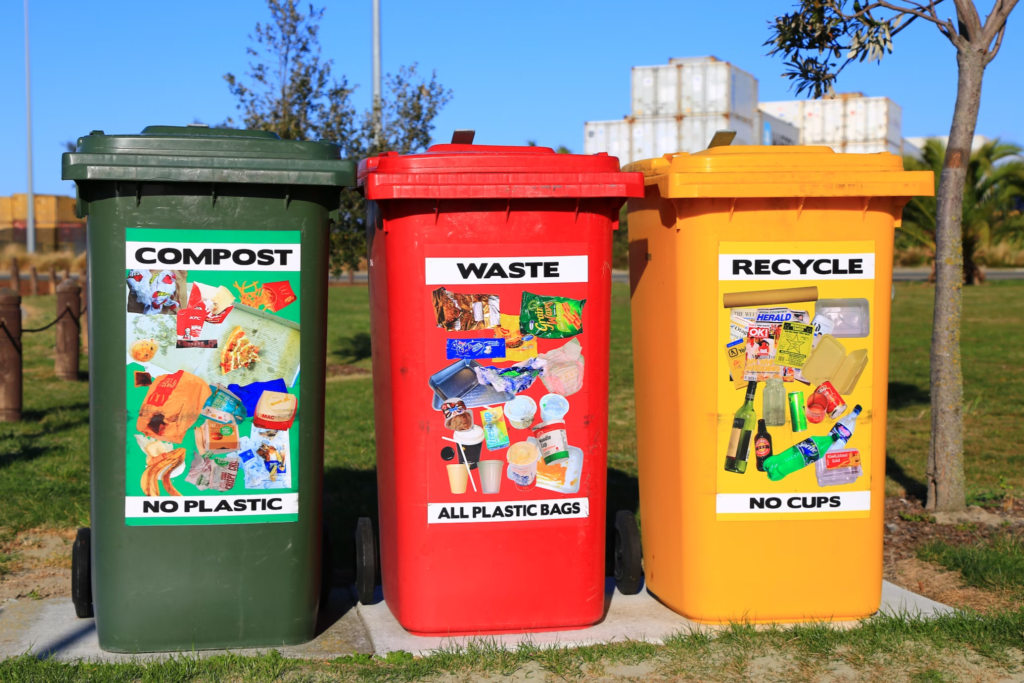
Recycling is one of the most important aspects of waste management. Make sure your office has a robust recycling program in place. You can use continuous waste bag stands and ensure that everyone knows what can be recycled and where to dispose of recyclables. Educating your colleagues about the importance of recycling can go a long way in reducing waste.
- To reduce, start by cutting down on unnecessary waste. Avoid single-use items like disposable utensils and cups. Bring your own reusable alternatives and encourage your colleagues to do the same. This simple change can drastically reduce the amount of waste your office generates.
- And, before tossing something in the trash, consider if it can be reused. Old office supplies, for example, can often find new life with a bit of creativity. Reusing items not only minimizes waste but can also save your office money.
2. Go Digital
Embrace technology and reduce your office’s paper usage. Encourage electronic documentation, digital signatures, and email communication rather than physical memos and letters. This not only saves trees but also helps you stay organized and efficient.
- Electronic Documentation: Replace traditional paper files and documents with electronic versions. This not only saves paper but also makes it easier to store, access, and search for information, reducing clutter and the time spent searching for physical documents.
- Digital Signatures: Utilize digital signature software for contracts and agreements. This eliminates the need for physical printouts, courier services, and postage, reducing not only paper waste but also the associated costs and time delays.
- Email Communication: Instead of sending physical memos and letters, opt for email. Not only is it faster and more efficient, but it also enables you to track communication history easily and search for past messages. This approach significantly reduces the need for paper and envelopes.
- Cloud Storage: Use cloud-based platforms to store and share documents. Cloud storage not only reduces the need for printed copies but also enhances collaboration by allowing multiple users to access and edit files simultaneously. It’s a secure and eco-friendly alternative to physical filing systems.
3. Composting
Implementing a composting system in your office is an eco-friendly way to deal with food and organic waste. Coffee grounds, fruit peels, and leftover snacks can all be turned into nutrient-rich compost. This not only diverts waste from landfills but also reduces the environmental impact of your office.
4. Smart Energy Usage
Waste isn’t just about physical objects – it can also manifest as wasted energy. Encourage energy-saving practices in your office, such as turning off lights and electronics when not in use. Consider investing in energy-efficient appliances and ensure your office is well-insulated to minimize heating and cooling energy consumption.
- Lights and Electronics: Implement a policy that encourages employees to turn off lights and electronic devices when not in use. Simple actions like switching off monitors, lights, and printers can save a significant amount of energy and reduce utility bills.
- Energy-Efficient Appliances: Invest in energy-efficient appliances and equipment for the office. Look for devices with the ENERGY STAR label, which indicates they meet high energy efficiency standards. Over time, these appliances will lead to substantial energy and cost savings.
- Heating and Cooling: Ensure your office is well-insulated to prevent heat loss in the winter and excessive cooling in the summer. Programmable thermostats can help regulate temperature settings to minimize energy consumption during non-working hours.
5. Mindful Purchasing
One significant aspect of waste management at work is the procurement of office supplies and equipment. Before making purchases, evaluate whether the items are truly necessary. This simple but effective approach can prevent the accumulation of unused or obsolete items, reducing waste. Additionally, consider buying products made from recycled materials or those that are designed for longevity and easy repair. Sustainable procurement practices can have a positive impact on your office’s waste reduction efforts.
6. Collaborate and Educate
Engaging your colleagues in the mission to reduce waste is crucial. Organize workshops or presentations to educate your coworkers about the importance of waste management and the specific practices being implemented in the office. Encourage open communication, feedback, and suggestions from your team. By fostering a sense of collective responsibility, you can achieve better results in your waste reduction efforts.
- Workshops and Presentations: Arrange workshops and presentations focused on waste reduction and sustainable practices in the workplace. These sessions can highlight the environmental impact of waste and educate your colleagues about practical solutions.
- Open Communication: Foster open communication channels within your team. Encourage employees to share their ideas, concerns, and suggestions regarding waste reduction. Collaborative discussions can lead to innovative approaches and a sense of ownership in the waste reduction process.
- Feedback Loops: Create feedback mechanisms for your waste management initiatives. Regularly solicit input from your colleagues on what’s working and what could be improved. Adjust your strategies based on this feedback to ensure that everyone is on board with the waste reduction efforts.
- Celebrate Successes: Recognize and celebrate achievements and milestones in your waste reduction journey. Acknowledging and rewarding the efforts of your colleagues can boost morale and motivation, driving further engagement in the mission to reduce waste.
7. Monitor and Track Progress
To effectively manage waste at work, it’s essential to keep track of your progress. Set up regular assessments and data collection to measure the success of your waste reduction initiatives. Analyzing data on waste generation and reduction will provide valuable insights into what’s working and what needs improvement. Use this information to refine your strategies and set new waste reduction goals as you progress.

By adhering to the principles of reducing, reusing, and recycling, going digital, implementing composting, optimizing energy usage, and practicing mindful purchasing, you can significantly reduce the waste generated in your workplace. Collaboration and education among your colleagues, along with monitoring and tracking progress, are essential to the success of your waste management efforts. These practices not only benefit the environment but also contribute to a more sustainable and efficient workplace.