
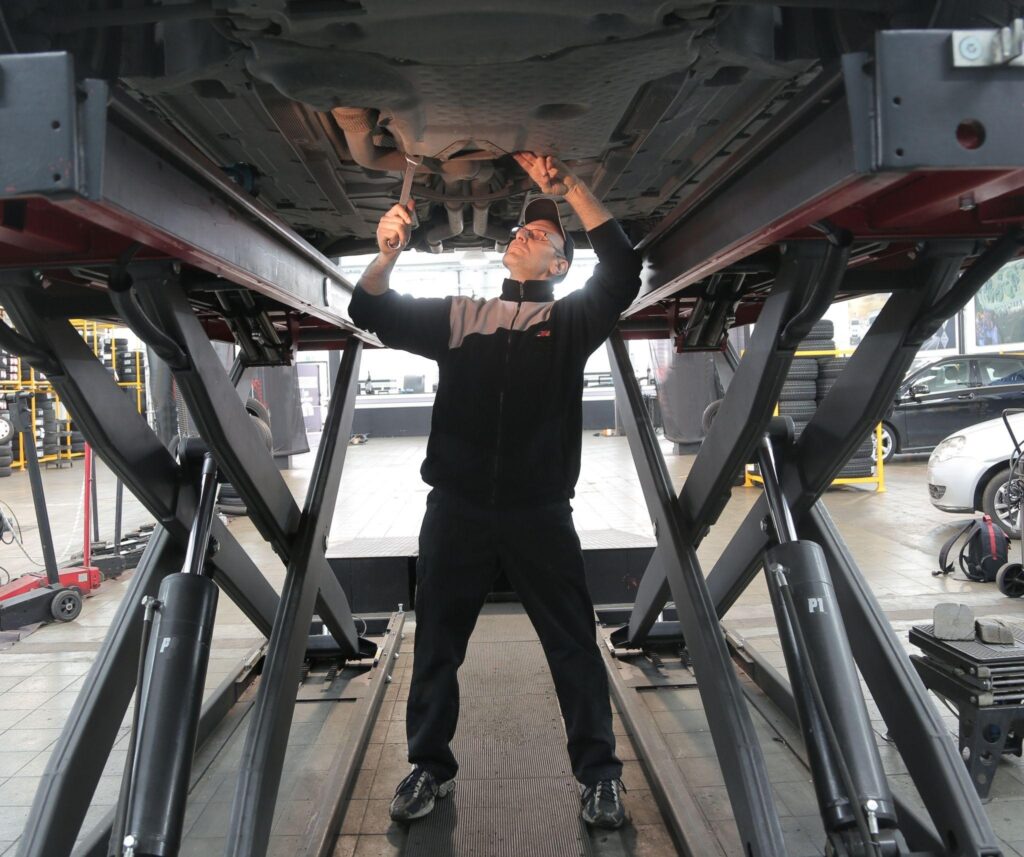
Hybrid and electric vehicles (EVs) are becoming increasingly popular, with more and more drivers choosing to switch from traditional gasoline-powered cars to these eco-friendly alternatives. But what does this mean for auto mechanics? As the auto industry evolves, so too must the skills and knowledge of the mechanics who work on these vehicles. In this article, we’ll take a look at how auto mechanics are adapting to the rise of hybrid and electric vehicles, with a particular focus on the situation in Christchurch.
New Training and Certification
As the demand for hybrid and electric vehicle repairs increases, auto mechanics need to be able to keep up with the latest technology and techniques. This means investing in new training and certification programs that focus specifically on hybrid and electric vehicle repairs. In Christchurch, mechanics can attend courses and workshops offered by various organizations, such as the Institute of the Motor Industry (IMI) and the New Zealand Qualifications Authority (NZQA), to learn about topics such as battery systems, electronic controls, and regenerative braking.
Specialized Tools and Equipment
Hybrid and electric vehicles require specialized tools and equipment that are different from those used for traditional gasoline-powered cars. For example, mechanics need diagnostic tools that can interface with the vehicle’s onboard computer systems to diagnose and repair faults. They also need specialized equipment to work on the high-voltage batteries that power hybrid and electric vehicles. In Christchurch, mechanics can purchase or rent these specialized tools and equipment from suppliers such as AutoTool, Repco, and ToolShed.
More Focus on Preventative Maintenance
Unlike traditional gasoline-powered cars, hybrid and electric vehicles have complex battery systems that require regular maintenance to ensure they are operating at peak efficiency. Auto mechanics are increasingly focusing on preventative maintenance to help their customers avoid expensive repairs down the line. This includes regular battery inspections, fluid checks, and software updates to ensure the vehicle’s electronic systems are functioning properly.
The Importance of Safety
Working on hybrid and electric vehicles can be dangerous, especially when dealing with high-voltage batteries. Auto mechanics are taking safety precautions seriously, with some investing in specialized training to handle these high-voltage systems safely. This includes wearing protective gear, using insulated tools, and following strict safety protocols when working on hybrid and electric vehicles.
Customer Education
As more drivers switch to hybrid and electric vehicles, it’s important for mechanics to educate their customers about the benefits and challenges of these eco-friendly cars. This includes explaining how the vehicle works, what to expect in terms of battery life and range, and how to maintain the vehicle properly. Auto mechanics are taking an active role in educating their customers about hybrid and electric vehicles, and some are even offering test drives and demonstrations to help potential buyers make informed decisions.
Conclusion
The rise of hybrid and electric vehicles is changing the auto industry in significant ways, and auto mechanics are adapting to meet these changes head-on. By investing in new training and certification programs, specialized tools and equipment, and a focus on preventative maintenance and safety, they are ensuring that they can provide the best service possible to their customers. With the right knowledge and skills, auto mechanics including a mechanic in Christchurch can help work the way towards a more sustainable future for the auto industry.