
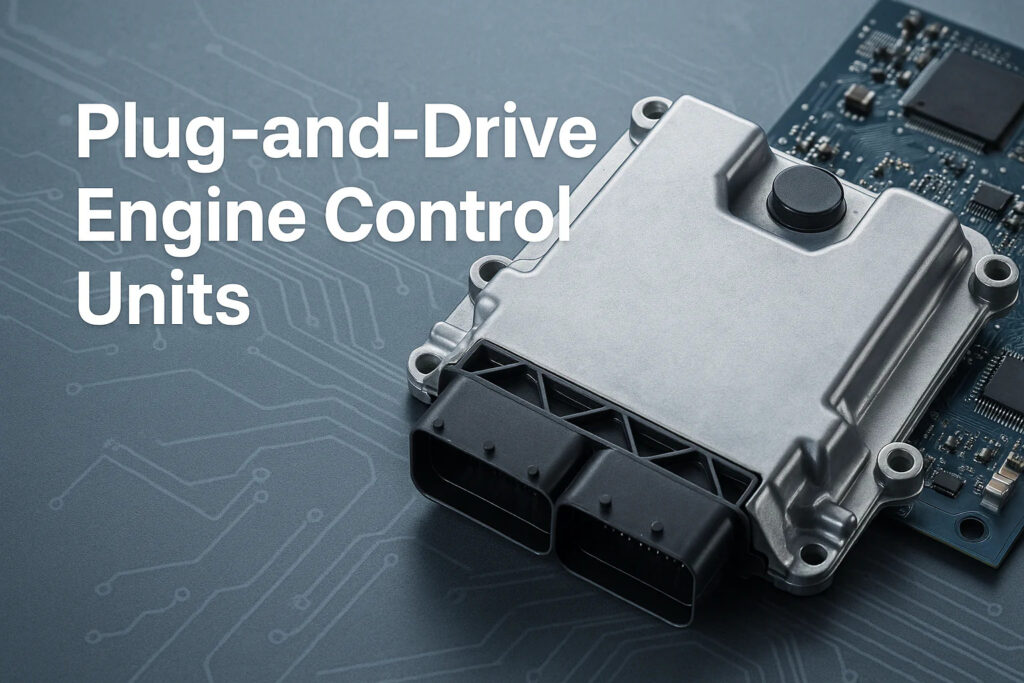
Overview of Audi Q7 3.0 and 4.2 engine control unit (ECU)
The Audi Q7 3.0 TDI and 4.2 FSI/TDI variants use advanced Bosch engine management systems designed for high torque output, precise fuel metering, and full CAN-bus integration with the vehicle immobilizer and gateway modules.
A commonly affected control unit in these vehicles is:
- Bosch 0281013691
- Audi 4L0910401K
This engine control unit (ECU) is based on the Bosch EDC16CP34 platform (diesel applications) and is installed in the first-generation Q7 (4L). The unit controls:
- Common-rail injection timing and pressure
- Turbocharger boost regulation
- EGR operation
- DPF management (diesel variants)
- Immobilizer authorization (IMMO IV system)
- CAN communication with cluster, gateway, and transmission
Due to its physical installation location in the plenum chamber (under the windshield cowl), this ECU is highly vulnerable to water intrusion.
This design vulnerability explains why Audi Q7 3.0 TDI ECU 0281013691 IMMO OFF solutions are in high demand in the ECU repair and replacement market.
Common Audi Q7 ECU problems (0281013691 / 4L0910401K)
1. Flooded ECU due to blocked plenum drains
One of the most frequent failures in the Audi Q7 4L is water accumulation in the ECU compartment. When plenum drains become clogged with debris:
- Rainwater collects around the ECU housing
- Moisture penetrates the aluminum casing
- Internal PCB corrosion begins
This issue is especially common in older vehicles operating in humid or rainy climates.
2. Moisture damage and internal PCB corrosion
Water ingress causes:
- Oxidation on PCB tracks
- Corrosion of BGA processor solder joints
- Short circuits between signal lines
- Failure of internal voltage regulators
Typical signs include:
- Engine cranks but does not start
- No injector pulse
- No rail pressure control
- Random fault codes
- Permanent immobilizer active
In severe cases, the ECU becomes completely non-responsive.
3. No communication with ECU
Another common failure is: No communication with engine control module.
Diagnostic tools cannot establish a connection via OBD. This situation may result from:
- CAN driver failure
- Shorted internal power supply circuit
- Damaged microcontroller
- Burned communication transceiver
When this occurs, standard programming tools cannot read or write the unit.
Bosch EDC16CP34 architecture and immobilizer integration
The Bosch EDC16CP34 ECU integrates:
- MPC5xx microcontroller
- External flash memory
- EEPROM storing immobilizer data
- Internal watchdog and power management
The immobilizer system in the Audi Q7 4L is synchronized with:
- Instrument cluster
- Gateway module
- Key transponder
If synchronization data is lost due to corruption, the vehicle will:
- Start briefly and stall
- Display immobilizer active message
- Store component protection faults
Available solutions for water-damaged Audi Q7 ECUs
1. Professional ECU repair
Repair is possible when:
- PCB damage is limited
- Microcontroller remains functional
- Flash memory is intact
Repair typically involves:
- PCB cleaning in ultrasonic bath
- Track reconstruction
- Replacement of corroded components
- Reflow or reballing of BGA chips
However, severe water damage often makes repair unreliable long-term.
2. ECU cloning (data transfer)
Cloning is recommended when:
- Original ECU is partially readable
- Microcontroller still responds in boot mode
Procedure:
- Extract full flash + EEPROM
- Transfer data to donor ECU (same hardware number)
- Install cloned ECU
This method preserves:
- Immobilizer pairing
- VIN
- Coding
- Adaptations
Cloning requires specialized bench equipment and soldering expertise.
3. IMMO OFF Plug & Play solution (no programming required)
When:
- Original ECU is completely dead
- No data extraction is possible
- Vehicle immobilizer synchronization cannot be restored
The most practical solution is: IMMO OFF Plug & Play ECU.
This solution includes:
- Tested donor ECU (0281013691 / 4L0910401K)
- Immobilizer function disabled in software
- Pre-configured for direct installation
- No adaptation, coding, or programming required
Advantages of IMMO OFF Plug & Play
- No need for PIN/SKC
- No dealer tools required
- No online component protection removal
- Immediate engine start after installation
This solution is ideal for vehicles with:
- Severe flood damage
- Corrupted immobilizer data
- Non-communicating ECUs
When to choose each solution
| Situation | Recommended Solution |
| Light corrosion, ECU still communicates | Professional repair |
| ECU readable in boot mode | Cloning |
| ECU completely dead | IMMO OFF Plug & Play |
For many older Audi Q7 3.0 TDI and 4.2 models, IMMO OFF Plug & Play is the most cost-effective and time-efficient approach.
Preventing future Audi Q7 ECU water damage
To prevent recurrence:
- Regularly clean plenum chamber drains
- Inspect ECU housing seals
- Check windshield cowl integrity
- Avoid parking under heavy tree debris
Preventative maintenance is critical because repeated water exposure can damage even a replacement ECU.
In summary, the Audi Q7 3.0 and 4.2 engines equipped with Bosch 0281013691 / 4L0910401K ECUs are highly capable but vulnerable to water intrusion due to their installation position. Common failures include flooded ECU housing, moisture-induced PCB corrosion, no communication via OBD, and immobilizer activation issues.
While repair and cloning remain viable options in certain cases, a professionally prepared IMMO OFF Plug & Play solution provides the fastest and most reliable path to restoring vehicle operation when the original ECU is beyond recovery.
For workshops specializing in Audi ECU engine controller diagnostics and replacement, understanding the Bosch EDC16CP34 architecture, immobilizer integration, and water intrusion failure patterns is essential. Selecting the correct repair strategy — whether PCB restoration, cloning, or IMMO OFF replacement — ensures reliable and cost-effective ECU solutions for Audi platforms such as the Q7 3.0 TDI and 4.2 models.