
Our man in Flanders
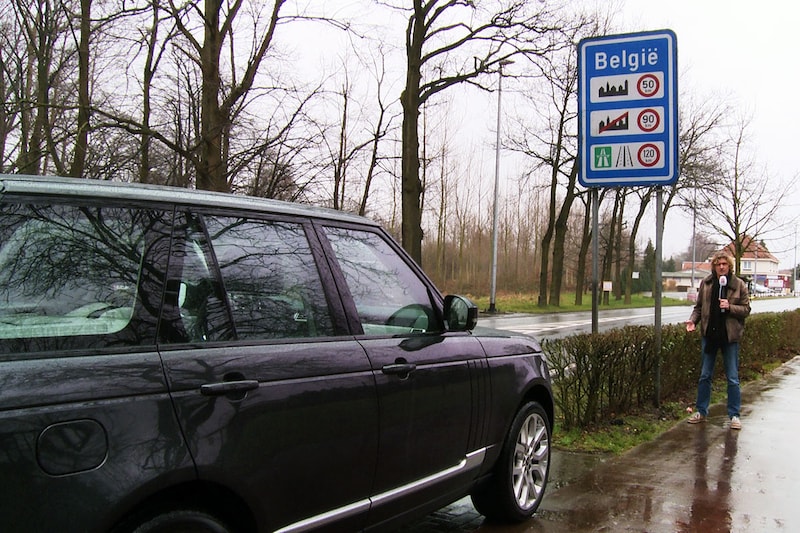
While the maximum speed on Dutch highways is returning to 130 km/h, Belgium wants to enforce the 120 km/h limit more strictly. De facto, 130 km/h is also driven there, which is not to the liking of the Flemish Traffic Institute.
For four years, the Dutch had to drive along the billiard-level highways during the day at 100 km/h. Now that the controversial measure is being scrapped and the speed limit is returning to 130 km/h, Belgian authorities are wondering what effect this will have on road safety and traffic jams.
Two weights and measures
It was expected that there would be divided reactions to the decision. Those who have been biting their handlebars for four years can finally breathe again. Anyone who thought that traffic had just become calmer is out of luck. The question is how the average Dutch person will react to that decision. Will everyone get on the gas again to drive 130 km/h and possibly a bit more, or will some people continue to hover around 100 km/h? In any case, it is certain that speed differences will arise. On the one hand compared to freight traffic that simply continues to drive at 90 km/h, but also between cars that have no speed limiter to bump into.
Now Belgians do not have to be jealous of their northern neighbors, because in fact 130 km/h is also driven south of Breda. The average speedometer easily deviates from that speed by a few kilometers per hour, while the standardized correction margin of 6% takes care of the rest. In addition, in Belgium there is also such a thing as a tolerance margin that the regions can determine themselves. This means that the Brussels Region can, for example, decide to only fine offenders in zone 30 from 47 km/h (as was long the case), the Flemish Region to only use flashing on the highways from 129 km/h (ditto) and Walloon Region whether the speed cameras should work at all. Everything to relieve the burden on the overloaded and understaffed public prosecutor’s offices.
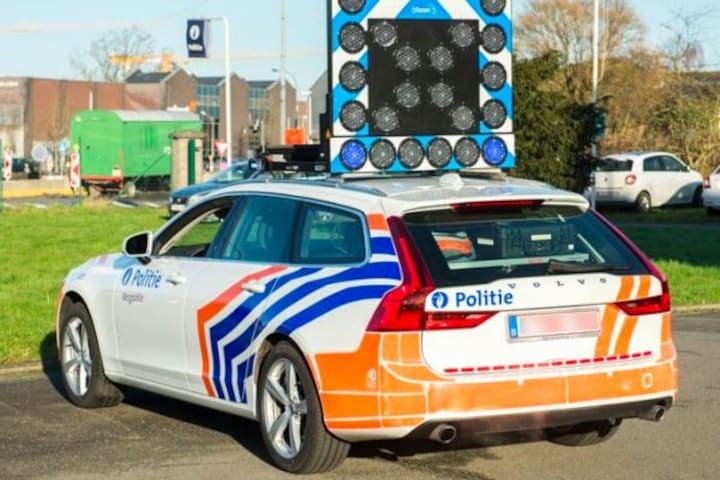
The same margin as in the Netherlands
The Flemish Traffic Institute has had enough of this approach and wants the tolerance margins to disappear and the correction margins to be reduced from 7 km/h to 3 km/h. In concrete terms, VIAS proposes to flash on highways from 123 km/h instead of 127 km/h. In a zone 30 this will be 33 km/h, instead of the current 37 km/h. According to the traffic institute, this is possible because the speedometers of modern cars have become more accurate and so has the measuring equipment.
In addition, the mandatory ISA speed warning in new cars ensures that drivers know exactly when they are going over the permitted speed, at least if the system correctly interprets the speed limit via traffic signs or GPS data. Critics firmly call the plan ‘rumbling in the margins’, but VIAS also counters this by stating that 130 km/h or 120 km/h makes a big difference in terms of braking distance and therefore traffic accidents. Moreover, the margin in the Netherlands is always 3 km/h and not 6 km/h below 100 km/h and 6% above 100 km/h, as is the case today in Belgium.
– Thanks for information from Autoweek.nl