
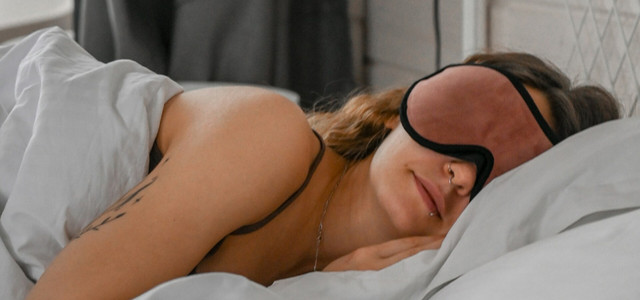
Most people have problems falling asleep. With a few simple tips for falling asleep, you can find peace of mind more quickly – we’ll show you different methods.
Having trouble sleeping from time to time is completely normal. The causes can be different and accordingly there are different tips that can be helpful against problems falling asleep. We will introduce you to a few options in more detail.
However, it is important: If you have frequent and persistent sleep problems and the quality of your sleep severely affects your everyday life, you should seek medical advice. In the worst case, there are physical causes behind it, not bad habits. Without help, your sleep problems can have health consequences.
1. Tip for falling asleep: The right evening food

Above all, probably the most important tip for falling asleep: According to experts, you should stop eating at least four hours before going to bed. Because if your stomach is still working, you have a worse chance of falling asleep. In addition, your dinner should be light and not too rich. According to the experts, if there was just something particularly light, a gap of two hours between eating and going to bed is sufficient.
But: Going to bed hungry is also not a good idea. So you definitely shouldn’t skip dinner entirely if you want to sleep well. If you don’t have time for a full dinner in the evening, you can rely on light and healthy snacks such as nuts.
It is also important to use stimulating drinks with caffeine sparingly. So don’t drink coffee or black tea in the evening – fruit or herbal teas are a good alternative. For example, lemon balm tea is a good option.
If possible, avoid alcohol and nicotine in the evening. Although alcohol generally makes you fall asleep more quickly, sleep is less restful. Nicotine also negatively affects sleep quality, experts say.
By the way: There are also foods that can help you fall asleep because they contain melatonin or tryptophan, for example.
2. Sleep-inducing drinks

Certain teas and drinks are said to have a sleep-promoting effect, for example Moon Milk or hot milk with honey. However, it has not been scientifically proven how these two drinks affect sleep. But you can try out for yourself whether a ritual involving a warming drink will make it easier for you to fall asleep.
You can also choose a vegan drink for this. Here you can find out more about soothing teas that could help you with problems falling asleep:
3. Fall asleep faster thanks to fresh air

Another tip for falling asleep is to take a short walk before going to bed. Exercising in the evening can stimulate your circulation, meaning you need even longer to wind down.
Before you go to bed, air out your bedroom for about five to ten minutes, a little longer in summer and a little shorter in winter. This way you ensure a healthy sleeping environment and the right temperature in the bedroom. This is optimally between 15 and 19 degrees.
There are also plants that are suitable for the bedroom because they can improve the air in the room.
4. Fall asleep relaxed: meditation and body scan
If you find it difficult to calm down and fall asleep relaxed, you can try various relaxation techniques. A sleep meditation can help you fall asleep and improve the quality of your sleep.
If you often find yourself in a carousel of thoughts before falling asleep, a body scan could help you. You concentrate on individual areas of your body and can let go of disturbing thoughts and find peace.
5. Sleep aid: No blue light before bed

Most people fall asleep best when it is dark. So turn off unnecessary light sources when you go to bed. In the hours before you go to bed, you should use warm light, as cold light makes you too awake. If you sit in front of the screen in the evening or at night, you can activate blue light filters on the devices or wear glasses with blue light filters. However, their positive effect on better sleep has not been clearly scientifically proven.
And even if it’s difficult: Digital Detox can help you fall asleep. In the evening you should avoid computers, televisions and smartphones if possible. You can turn off your cell phone and use a separate alarm clock. The blue light from screens dampens the production of the sleep hormone melatonin.
6. Relax before falling asleep: Writing down thoughts can help
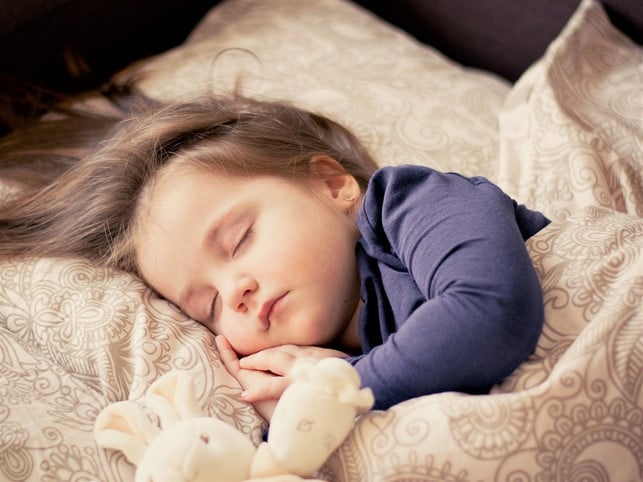
If you’re stressed and have hundreds of thoughts running through your head, you’ll have a hard time falling asleep. If you actually want to sleep but still have a lot of things to do, you can write them down on a to-do list. Once you’ve gotten the day’s worries off your chest (also called day dumping), you can edit them the next day. This way you go to bed more relaxed and can fall asleep faster.
Shortly before going to bed, you should also stop doing anything that is too mentally demanding. Rather, relax by listening to calm music, reading a book, meditating, or otherwise finding a suitable evening routine for yourself.
However, you shouldn’t overdo it with the music before going to bed: Researchers found that certain music can lead to nightly earworms in the brain when you fall asleep and thus lead to sleep problems.
You should also avoid sources of noise: Even if you are not woken up by noises in the night, you still notice them subconsciously. For example, you can use earplugs if you live on a noisy street.
Tip: Keep a sleep diary

If all else fails and you constantly have problems falling asleep, you can keep a sleep diary to get to the bottom of the causes of your problems falling asleep. Write down what you did in the two hours before bed, what was currently on your mind, how well you fell asleep, and how you felt the next morning. Such a diary can also be a useful tool if you seek medical advice about problems falling asleep. You can find a template for a sleep diary from the Pharmacy Umschau, for example.
Here are a few tips for filling out the sleep diary:
- The sleep diary is intended to document your habits related to sleep in everyday life. Therefore, it makes little sense to start doing this on vacation. Even if you then have more time for it.
- Always write your sleep diary right before you go to bed and right after you get up in the morning.
- Describe your habits, diet and environment around your sleep as accurately as possible. Sometimes there are causes that you don’t even expect that prevent you from getting a good night’s sleep. The sleep diary can only reveal these causes if you document as many details as possible.
Edited by Jennifer Watzek
Read more on Techzle\.com:
- Lack of sleep: symptoms and consequences of too little sleep
- Morning routine: 14 tips and ideas for a better start to the day
- Organic bed linen: The most beautiful sustainable bed linen sets
** marked with ** or orange underlined Links to sources of supply are partly partner links: If you buy here, you are actively supporting Techzle\.com, because we then receive a small part of the sales proceeds. More info.