
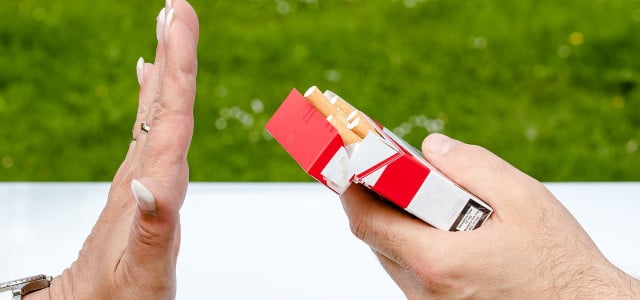
Withdrawal symptoms are not uncommon in people who want to quit smoking. You can find out here why this is, what symptoms you should expect and how you can successfully combat withdrawal symptoms.
There are good reasons to stop smoking and become a non-smoker. Maybe you’ve already thought about giving up cigarettes altogether for the sake of your health or the environment. However, it can be difficult to put this decision into practice.
This is mainly because nicotine is highly addictive: withdrawal symptoms occur if you, as a smoker, suddenly stop consuming tobacco. However, if you are prepared and know how to best deal with withdrawal symptoms, you may still be able to overcome this addiction.
Why do withdrawal symptoms occur at all?
Anyone who smokes regularly becomes dependent on nicotine over a long period of time. There are different definitions of how such dependence manifests itself. The WHO offers a common guide: It publishes a list with standard definitions of various diseases and health problems, the so-called ICD (International Classification of Diseases).
According to the ICD-11 – the current, eleventh edition of the list – at least three of the following points must be true for a doctor to diagnose nicotine addiction. You are therefore dependent if you have within the last year
- Have often felt a strong inner desire or compulsion to smoke
- Had trouble controlling when and how much you smoke
- suffered from withdrawal symptoms when you were unable to smoke (or used tobacco to combat withdrawal symptoms)
- you developed a higher tolerance (i.e. you had to consume more and more tobacco to achieve the same effect as before)
- neglected other interests and activities
- you continued smoking despite the resulting health problems
Once your body gets used to you regularly giving it nicotine, it’s hard to break the habit. If you try it anyway, as with any addiction, you may experience withdrawal symptoms.
Withdrawal symptoms from smoking: These are the symptoms

Withdrawal symptoms can begin just a few hours after your last cigarette. The form in which and how severe they occur varies greatly from person to person. Among other things, how much and how long you have smoked beforehand plays a role. However, there are a number of symptoms that occur particularly frequently. Possible withdrawal symptoms from smoking include:
- Sleep disorders
- general unrest
- Nervousness, irritability and aggressiveness
- depressive mood
- Lack of concentration
- falling pulse
- increased appetite
- Weight gain
Withdrawal symptoms are usually most noticeable and reach their peak within the first three days. Normally they become significantly weaker after seven days.
Combat withdrawal symptoms: exercise and distraction

If you are suffering from withdrawal symptoms, you don’t have to sit through them helplessly: there are ways to actively combat them. The Federal Center for Health Education (BZgA), for example, provides recommendations on this. It runs the internet portal “Smokefree”, which serves as a contact point for people who want to stop smoking.
Basically, the BZgA recommends moving around a lot and doing sports during the weaning phase. This helps combat withdrawal symptoms such as restlessness, irritability and fatigue. You can also distract yourself from the strong desire to smoke.
It is also important that you avoid typical situations in which you used to smoke – for example, having a cigarette during the break with your colleagues or going to a restaurant with a smoking area. It can also be helpful to let your family and friends know that you are quitting smoking. Ask them to support you and be understanding if you are perhaps a little more irritable than usual during this time. This will help you avoid additional conflicts.
More tips to combat withdrawal symptoms
In addition to exercise and distraction, there are other methods to relieve withdrawal symptoms from smoking:
- If you feel irritable, you can learn relaxation exercises and do them regularly – for example autogenic training or yoga.
- If you feel tired and have trouble sleeping at night, getting plenty of fresh air during the day will help along with exercise. Try to relax in the evening before you go to bed – for example with a leisurely bath or with relaxation exercises. You should also generally plan longer sleep times during the withdrawal period.
- If you feel strongly compelled to smoke, drink a drink of water or brush your teeth. That sounds banal, but it helps to overcome the acute urge for the moment.
- To combat cravings, you can chew gum or suck candy. You should also drink a lot. It’s best to have fruit and raw vegetables on hand as snacks for cravings.
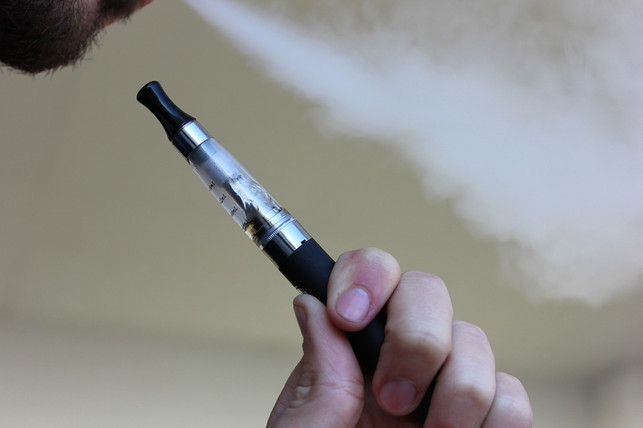
There are also a number of substitute products designed to help reduce or eliminate withdrawal symptoms from smoking. These include, for example, nicotine chewing gum and patches or tobacco alternatives such as e-cigarettes or herbal cigarettes. However, whether these products actually make withdrawal easier is highly controversial. They also contain harmful ingredients. The German Cancer Research Center classifies e-cigarettes as a health risk.
After withdrawal: Remain steadfast

If you want to quit smoking, it may be helpful to join a quit program. There you can exchange ideas with people who have the same goal and have similar experiences.
Such a group can also help you continue to avoid tobacco after you overcome your withdrawal symptoms. Because an addiction often has a psychological impact for a long time: Even if your body no longer craves nicotine as strongly as in the immediate withdrawal phase, the desire for a cigarette can come back. It’s good if you can talk openly about such moments and get support from like-minded people.
Smoke-free is worth it – also for the environment
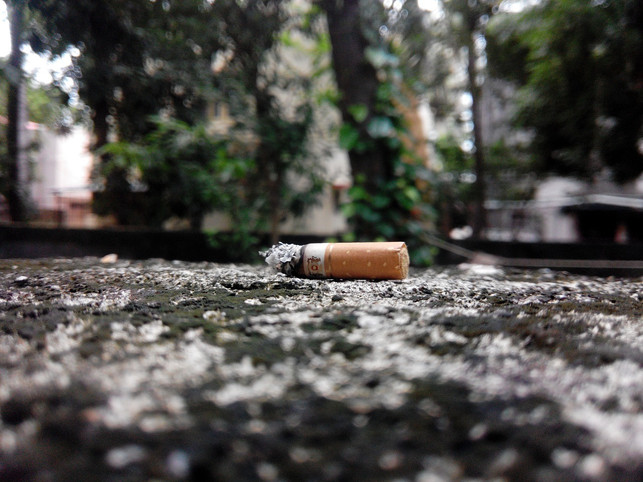
If you avoid tobacco products, you are not only doing something good for yourself, but also for the environment. On the one hand, tobacco cultivation is often associated with deforestation and environmental pollution. On the other hand, cigarette butts are harmful to the environment: the toxins they contain pass into the soil or water and endanger many animal species. According to WWF, up to 680,000 tons of cigarettes pollute our planet every year. Millions of microplastic particles enter the environment through discarded cigarettes. You can read in detail what this does there: New findings: How harmful are microplastics for people and the environment?
It is therefore definitely worth stopping smoking – for your own health and for a more sustainable relationship with nature.
Edited by Jennifer Watzek
Read more on Techzle\.com:
- Shopping addiction: How to recognize it and what you can do
- Learning meditation: tips for beginners
- Cannabis: You should know these legal and health facts
** marked with ** or orange underlined Links to sources of supply are partly partner links: If you buy here, you are actively supporting Techzle\.com, because we then receive a small part of the sales proceeds. More info.