

Black tea has an invigorating effect and contains numerous health-promoting substances. Here you can find out how black tea works and what you need to consider when preparing it.

Tea has been firmly anchored in many cultures for centuries and is still an integral part of daily rituals today. Both black tea and green tea consist of the leaves of the tea plant (Camellia sinensis). Fermentation gives the green leaves their typical black color.
Many people appreciate a cup of black tea because of its stimulating effect and taste. Black tea is also said to have a positive effect on the body thanks to its numerous secondary plant substances. Black tea is said to have many healthy properties. Below you will find an overview.
The effects of black tea
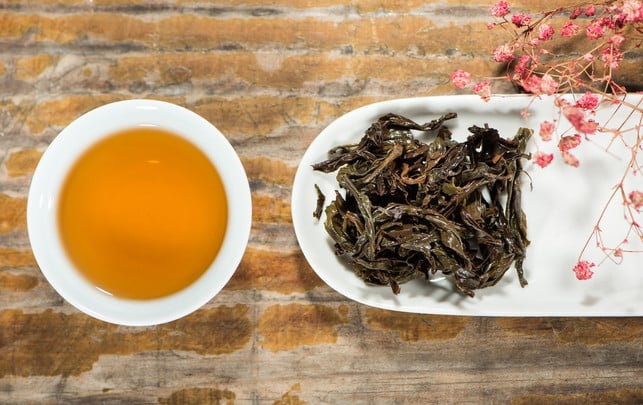
Secondary plant substances are found in fruits and vegetables and fulfill important functions in the plants. For example, some provide the color of flowers. The effect of black tea is mainly based on caffeine and secondary plant substances, such as tannins and catechins. According to a comprehensive literature study, a few of them can have a positive effect on our metabolism. Through fermentation, the catechins are converted into theaflavins and have a health-promoting effect.
This is how black tea works:
- Invigorating – The caffeine in tea is responsible for this. In fact, the tea in tea is chemically identical to the caffeine in coffee. The difference is made by the tannins to which the caffeine in the tea is bound. As a result, the caffeine only breaks away from this bond later in the gastrointestinal tract and therefore enters the bloodstream more slowly than in coffee. The uplifting effect therefore occurs with a delay, but lasts longer and is better tolerated by sensitive stomachs.
- Ability to concentrate – The knowledge magazine Spektrum reports that the L-theanine in black tea can relax the brain. This means that tea promotes calm alertness and increases your ability to concentrate without getting too worked up.
- Protection against cardiovascular diseases – The literature study on black tea mentioned above shows a possible effect of tea against heart attacks and high blood pressure. Black tea can also have positive effects on cholesterol levels.
- Antioxidant and Antivirulent – A study on theaflavins in black tea confirms that they are a very effective antioxidant. Antioxidants are substances that can protect human cells from damage caused by so-called free radicals. These are oxygen compounds that can affect cell growth and division. They arise, among other things, from air pollution or stress,
- Note that adding milk may reduce the effectiveness of the caffeine.
Prepare black tea correctly
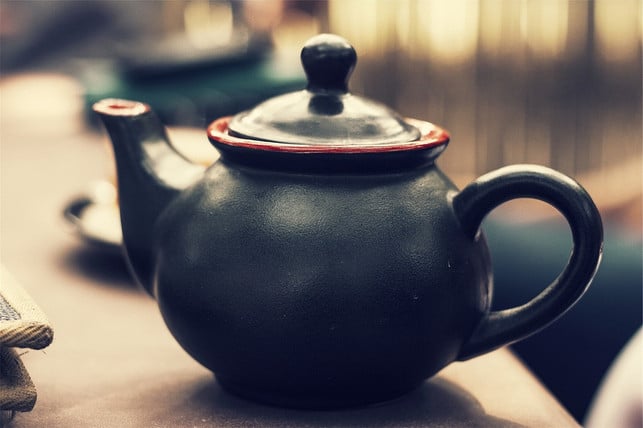
Preparing black tea is not quite as complicated as green tea. However, there are a few things to consider that can also change the effect of your black tea:
- Of course, the amount of tea you use to prepare it also influences how much caffeine your tea contains. With too few leaves, your tea will be watery. If you use too much, it can quickly taste bitter. It is therefore recommended to use around two grams of tea for each cup (250 milliliters) – this corresponds to a slightly heaped teaspoon.
- The water temperature can make a crucial difference. Although it is often recommended to only brew tea with bubbling hot water, the optimal temperature for black tea may be lower. Depending on the type of tea, it is between 90 and 95 degrees.
- The water itself can affect the taste of the tea. Particularly hard water can leave a thin film on the tea and give it an unpleasant furry taste. You can achieve better results with filtered water or mineral water.
- When steeped, the tea leaves need space to swell and release their ingredients into the water. There is usually not enough space for this in a tea bag or tea infuser that is too small. You can find a good, reusable tea filter in drugstores, tea shops and online, for example at Avocadostore or Amazon.
box_bestenliste slug=“organic tea” top=“12″
How long black tea steeps influences its effect
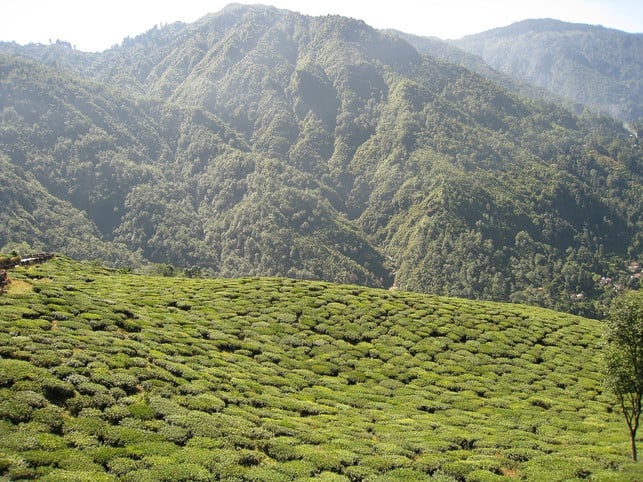
Like all tea, black tea has to steep – but there are different theories about how long. It usually depends on your personal taste or how many tannins the type of tea contains. Follow these tips for steeping so that your tea never tastes bitter again:
-
Let it steep for three minutes – In principle, it is sufficient to let the tea steep for three minutes. The black tea can then develop its invigorating effect. During this time the caffeine and some of the tannins are dissolved in the water.
-
Five minutes or longer – The longer you let the black tea steep, the more tannins there are in the tea. The bitter taste increases accordingly. However, the tea also contains more tannin. This is also a tannin that is contained in tea. Tannin has, among other things, a calming and anti-inflammatory effect on digestion. If you let the black tea steep for a long time, it can provide you with first aid if you have diarrhea. Therefore, black tea is considered a traditional one. However, this also means that high consumption of black tea can potentially lead to constipation.
Tip: Black tea is traditionally the basis of spicy Chai tea.
Black tea: healthy effect, but problematic in the growing areas
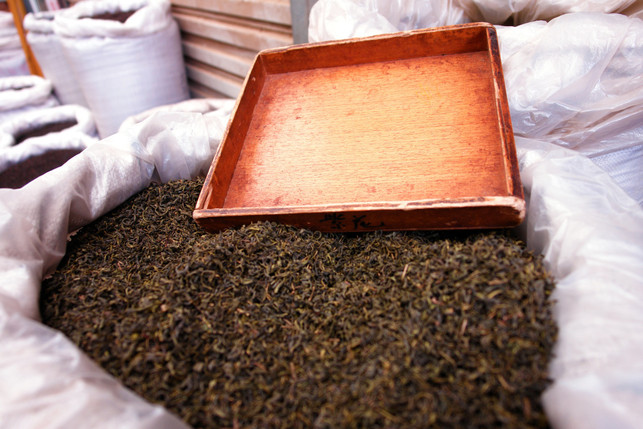
The healthy effects of black tea are part of the traditional healing knowledge in the countries where tea comes from, China and India. The tea bush grows, for example, in the mountainous regions around the Himalayas or in Sri Lanka. These growing regions give some of the tea varieties their names: Darjeeling, Assam or Ceylon in Sri Lanka.
The tea bush usually grows on steep mountain slopes, which makes the use of harvesting machines difficult. A large part of the tea harvest is still done by hand. However, the pickers often work under unreasonable conditions and do not receive appropriate remuneration. This is also confirmed by a study by Oxfam India from 2021.
The Rosa Luxemburg Foundation pointed out the precarious working conditions on the tea plantations in Darjeeling (India) in 2019. In a study, she denounces the starvation wages and inadequate social security of the pickers. Oxfam also published a study on tea from the Assam region in 2019 with similar results. The price pressure from large tea trading companies, including those from Germany, is also making working conditions in the tea-growing regions worse. According to the Rosa Luxemburg study, the wages for the pickers only account for between 1.4 and 2.8 percent of the price you pay for a pack of tea. A large part of the retail price remains with the tea trade and does not reach the workers on the plantations.
You can ensure fair wages and fair working conditions for the tea pickers if you choose fair trade tea.
Many of these brands also use organic tea. Chemical-synthetic spray poisons are prohibited in organic varieties. Ökotest, for example, found a number of highly toxic pesticides in some of the black teas examined.
Edited by Charlotte Seidel
Read more on Techzle\.com:
- Exploitation and environmental destruction: the bitter truth about tea
- Chamomile tea: Everything about the effects of the medicinal plant
- Olive leaf tea: effects and recipe for the healing tea
** marked with ** or orange underlined Links to sources of supply are partly partner links: If you buy here, you are actively supporting Techzle\.com, because we then receive a small part of the sales proceeds. More info.