
Foods rich in fiber can help with constipation. The following three foods contain a particularly large amount of these actually indigestible components – we also explain why they help digestion.
High-protein products have been all the rage for a while now, suggesting that we should all be consuming more protein. But according to the German Nutrition Society (DGE), most people actually eat too much protein rather than too little. According to the DGE, what we actually need more of is fiber. Women eat an average of 18 grams of this per day and men 19 grams – the recommendation, however, is at least 30 grams of fiber per day.
Foods rich in fiber help, among other things, against constipation and also prevent it because they stimulate intestinal movements. Because if you don’t eat enough of it, you can have digestive problems. For example, fiber is particularly found in fruits, vegetables, roots and tubers, legumes, nuts and seeds, and grains.
Here are five fiber-rich foods that are particularly good at preventing or relieving constipation.
1. Artichokes
According to NetDoktor, artichokes stimulate the intestinal muscles to be more active, which has a digestive effect. When cooked, they contain a lot of valuable fiber. They also contain other important ingredients such as bitter substances and flavonoids. Artichokes are therefore even approved medicinally for the treatment of so-called irritable stomach. This has some symptoms that are consistent with digestive problems, such as feeling full or flatulent.
2. Broccoli
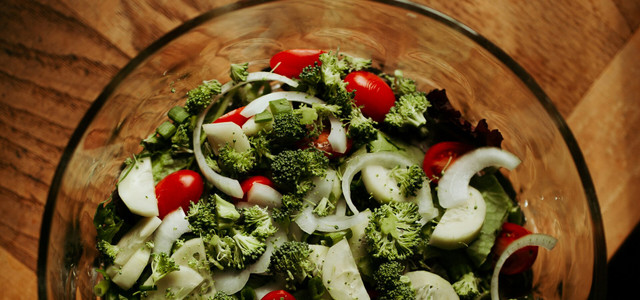
In the health magazine EatingWell, health advisor Devineé Lingo explains that, in addition to artichokes, broccoli also has a particularly digestive effect. According to the DGE, steamed broccoli contains 4.8 grams of fiber per serving (150 grams) and can counteract constipation.
According to the expert from EatingWell, the method of preparation also plays a role here: When cooking, always cut the broccoli first, into the smallest possible pieces. Then let them rest for about 90 minutes before cooking them. This activates a plant compound called sulforaphane, which is important for preventing harmful bacterial growth in the stomach and protecting the digestive organs from oxidative stress.
3. Whole grains and legumes
According to the Austrian Health Insurance Fund, any whole grain products are a good choice for digestive problems – regardless of whether it is whole grain rice, whole grain pasta or whole grain bread. These contain more fiber than products without whole grains.
Because of the many health benefits of whole grains, it is a good idea to eat them regularly and not just for digestive problems. But if you switch to whole grains too suddenly, it can actually overwhelm your intestines and the positive effects will not occur. When baking, you can start by mixing whole wheat and white flour.
The same applies to legumes. Chickpeas, red lentils, beans and the like can cause flatulence without getting used to it, but they are extremely valuable for digestion overall and can prevent constipation if consumed regularly.
Laxative foods for constipation?
A mixture of food and home remedies are common recommendations such as soaked dried plums or prune juice or psyllium husks, stirred into water or yoghurt. These have long been considered useful home remedies for resolving constipation. There are also herbal laxatives as medicines.
However, the Austrian health insurance company warns: Anyone who regularly takes laxatives, even if they are of plant origin, could have a habituation effect in the intestines. This could then lead to the intestines no longer being able to digest these laxative foods well without them.
The DGE also warns that flaxseeds can be contaminated with the heavy metal cadmium and that you should therefore not eat more than 20 grams of flaxseeds a day.
For healthy digestion: drink plenty and exercise enough
Health advisor Devineé Lingo and other sources emphasize that it’s not just food that’s part of a healthy, digestive diet:
-
Drinking enough is important so that the fiber can really soften the stool and thus relieve constipation. This is how you can prevent this.
- Regular exercise, such as playing sports, also helps the intestines stay active and digest reliably. Even a 20 to 30 minute walk stimulates the intestines.
-
If you are constipated, you should avoid highly processed foods, white flour, very fatty, sweet foods and foods with too much salt, as well as animal cheese or sausage.
Read more on Techzle\.com:
- Stimulate digestion: These natural home remedies help
- Pudding against constipation: delicious recipe with flax seeds
- Internal Shower: What’s wrong with this trendy drink?
** marked with ** or orange underlined Links to sources of supply are partly partner links: If you buy here, you are actively supporting Techzle\.com, because we then receive a small part of the sales proceeds. More info.