
Oats are healthy – that’s clear. Are the so-called oat days automatically the same? We explain the background of the nutritional trend.
There are always new trends emerging that promise to be the ultimate secret to weight loss and health. One of these trends that has recently gained more attention is the so-called “oat days”. But what exactly is behind this concept and is it really as effective as it is claimed?
What are oat days?
The oat days, also known as the oat cure, aim to improve blood sugar levels. As the name suggests, you eat mainly oats for one to three days. Depending on the instructions, that’s 60 to 80 grams of oatmeal three times a day, explains Pharmacy Umschau.
The flakes can be cooked in water or broth or soaked overnight. When completely raw and unsoaked, oat flakes are less healthy because of the anti-nutrient phytic acid they contain. It prevents us from absorbing the nutrients it contains.
The plan for the oat days stipulates that the meals can be spiced, for example with cinnamon or vanilla. However, no other supplements are provided. Proteins and fat in particular are not on the menu during oat days.
Alternatively, there are also the so-called moderate or modified oat days, with which those interested can try out the cure. They can eat a small amount of healthy food such as vegetables, berries or nuts with the oatmeal.
Snacks affect the effect of oat days. So you should avoid snacks if you’re on an oat diet. Also important, as always: drink enough, preferably unsweetened tea or water.
Are oat days really healthy?
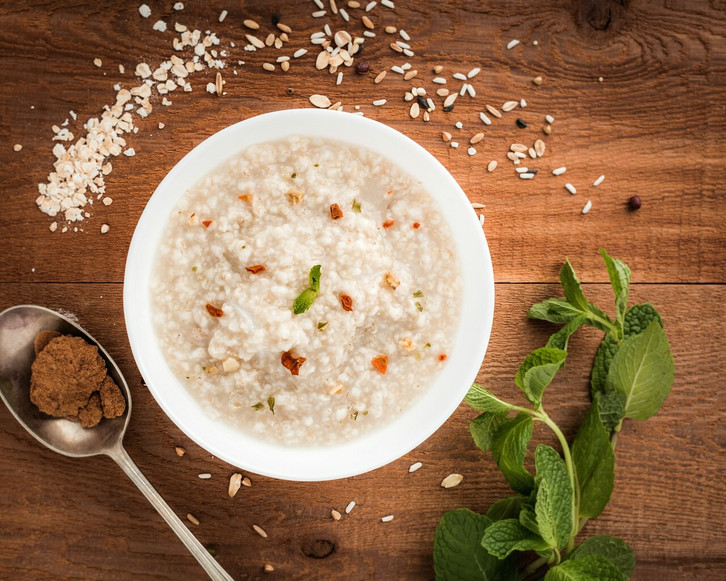
Oatmeal is very healthy. However, health-conscious people typically eat them with (plant-based) yogurt, berries, nuts, nut butter or other side dishes. While this can be part of a balanced diet, the idea behind oat days is different.
Oatmeal contains a particularly high amount of beta-glucan. The fiber causes cells to react more sensitively to insulin. This lowers blood sugar.
Diabetologist and nutritional doctor Dr. Winfried Keuthage other advantages: “Beta-glucan lowers the pH value in the colon, which hinders the growth of bad bacterial strains and stimulates the proliferation of good bacterial strains.”
Oat days can be a suitable measure to regulate blood sugar, especially for patients with type 2 diabetes or fatty liver disease. According to Keuthage, thanks to its mode of action, the oat treatment is also suitable for healthy people to lose weight effectively.
How often should I take oat days?
The oat days offer a lot of nutrients, so they are something completely different for the body than, for example, a radical diet such as the “zero diet” or the “rice diet”. So most people can repeat them every six to eight weeks without any problems.
The German Diabetes Aid recommends, among other things:
- People with type 1 and type 2 diabetes and insulin resistance can generally also do oat days, ideally after consultation with the treating diabetes team.
- People who may be sensitive to large amounts of fiber should first start with a meal carefully and see how well they tolerate it.
It is also recommended for almost everyone to incorporate oats into their regular diet, for example with recipes such as oat yoghurt, oatmeal schnitzel or homemade porridge.
Is oat milk okay too?
During oat days, it is not recommended to cook or soak the oat flakes in oat milk. You should also not replace the respective amount of oat flakes with oat milk. Because it is a processed food, it does not provide the same nutrients as oatmeal itself.
More about this in this post:
Additionally, it is more difficult to control the right amount of oatmeal per meal when you use oat milk because it is naturally partly oatmeal itself. It’s better to soak the oat flakes in water or cook them in water if you really want to go through the oat days.
Do oat days also work gluten-free?
Yes, because oatmeal itself is actually gluten-free. If you have a strong gluten sensitivity or celiac disease, it is worth also paying attention to pure production: otherwise traces of other types of grain could have gotten into the oatmeal package, which could lead to problems. Only brands that can exclude even the smallest gluten contamination are suitable in this case.
New scientific findings on oat days
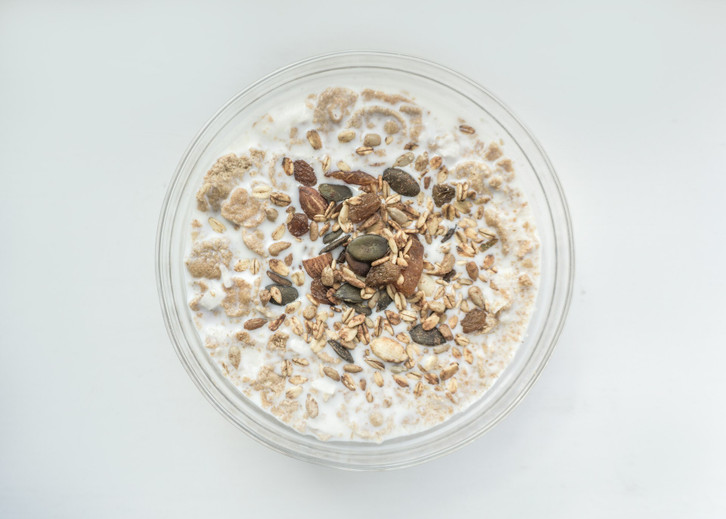
A study by the University of Bonn has now provided scientific evidence that a two-day oat treatment can significantly reduce cholesterol levels.
The participants had the so-called metabolic syndrome, which is one of the risk factors for diabetes and is associated with obesity, high blood pressure and increased blood sugar and blood fat levels. As part of the study, they ate mostly oatmeal for two days, consuming around 300 grams of oats per day and significantly fewer calories than usual.
To ensure that the calorie reduction was not the actual reason for the positive effects, a control group also ate a calorie-reduced diet, but without oats. In the test group with oats, the dangerous LDL cholesterol fell by around 10 percent. In addition, the participants in this group lost an average of two kilograms of weight and their blood pressure fell slightly. Positive effects were still measurable six weeks later. The control group also benefited health-wise from the calorie reduction, but significantly less.
The researchers suspect that the cholesterol-lowering effect occurs via the intestinal microbiome:
- Oats promote certain intestinal bacteria that produce substances such as ferulic acid when the grain is broken down. These can improve cholesterol metabolism and possibly also reduce the risk of diabetes.
- Other microorganisms favored by oats also dispose of the amino acid hisitidine. This is suspected of promoting insulin resistance – a central feature of diabetes.
A second study, however, showed that eating smaller amounts of oats in the long term has significantly smaller effects. Therefore, a short, intensive oat diet at regular intervals could be a simple method to improve cholesterol levels and prevent metabolic diseases. However, according to one of the authors, this still needs to be fully researched.
Conclusion on the oat days
Oat days can therefore be a useful cure for both healthy and sick people. The German Diabetes Aid does not describe any risks. As with any dietary change, you should still seek medical advice before attempting it.
In any case, it is a good idea to incorporate the healthy grain into your varied diet plan. Get inspired by the following recipes, for example:
- Wonder Bread: It’s that easy without flour and yeast
- Oatmeal Cake Recipe: Easy and filling
- Oatmeal waffles: A recipe for hearty waffles
Read more on Techzle\.com:
- Vegan diet: advantages, rules and what you need to consider
- Change your diet: These tips will make it a success
- Building muscle through nutrition: This is what you should keep in mind
** marked with ** or orange underlined Links to sources of supply are partly partner links: If you buy here, you are actively supporting Techzle\.com, because we then receive a small part of the sales proceeds. More info.