
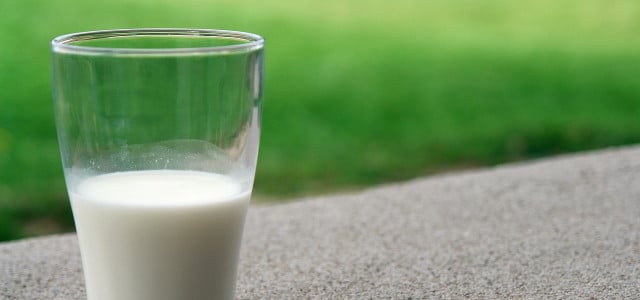
Originally it was a waste product from butter production, but today buttermilk is valued for its healthy effects. The refreshing drink not only provides valuable vitamins and minerals, but is also low in calories.
Many people value buttermilk as a low-fat alternative to regular cow’s milk – even if the slightly sour taste may take some getting used to at first. Anyone who enjoys it can benefit from the by-product of buttermaking in many ways, because buttermilk is healthy and nutritious.
We have summarized for you an overview of how buttermilk is made, what different types there are and what important nutrients it contains.
What exactly is buttermilk?
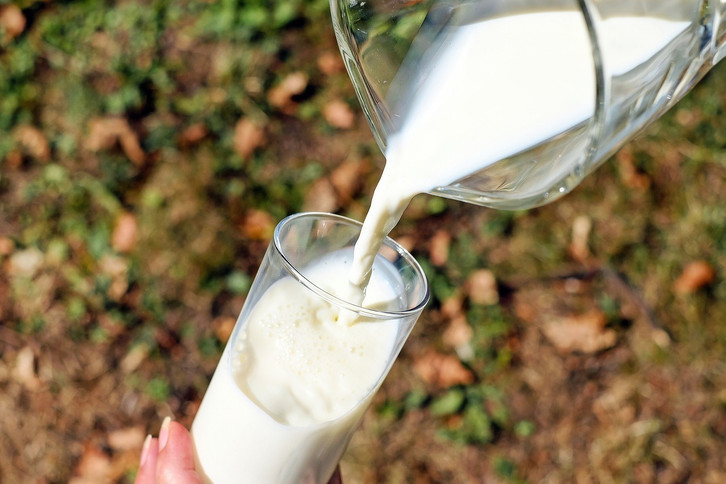
Buttermilk is the liquid that is left over from making butter – so it is a by-product of making butter. When making sour cream butter, the solid components of the cream are separated from the liquid. The remaining liquid is then the finished buttermilk.
In contrast, when producing sweet cream butter, the remaining liquid must be enriched with lactic acid bacteria in order to obtain the typically sour buttermilk. (By the way: It’s not difficult to make butter yourself.)
Since butter contains almost all of the fat in milk, buttermilk hardly contains any fat. With a milk fat content of less than one percent, it is therefore very low in calories (35 calories per 100 milliliters). Like kefir or ayran, buttermilk is a sour milk product, which means it is fermented. This fermentation makes the milk product more durable and has a sour taste.
Pure buttermilk vs. buttermilk – that’s the difference
In addition to numerous buttermilk preparations (which usually contain sugar and flavorings), you can find two types of pure buttermilk in the supermarket: products that are only labeled as “buttermilk” and products that are labeled “pure buttermilk”.
The difference lies in the production. While “pure buttermilk” is a byproduct of buttermaking, products labeled “buttermilk” have nothing to do with buttermaking. These are industrial products in which skimmed or partially skimmed milk is enriched with lactic acid bacteria. Additions of up to ten percent water and 15 percent skimmed milk powder are also permitted. These additives are prohibited for pure buttermilk.
Important: Pure buttermilk naturally contains less lactose than milk and is therefore better tolerated by people with lactose intolerance. However, non-pure buttermilk may contain more lactose since adding skim milk is permitted. If you are lactose intolerant, you should always use pure buttermilk.
The ingredients of buttermilk
Buttermilk is healthy because it contains many valuable ingredients. Here you will find an overview of the most important nutritional values per 100 milliliters:
-
Fat: 0.5g
-
Protein: 3.5g
-
Carbohydrates: 4.0
-
Calcium: 110 mg
In addition to calcium, healthy buttermilk also contains other minerals and vitamins:
-
Sodium: 57 mg
-
Potassium: 147 mg
-
Magnesium: 16 mg
-
Iron: 0.1 mg
-
Vitamin B1: 0.034
- Vitamin B2: 0.16 mg
-
Vitamin B6: 0.04 mg
- Vitamin B12: 0.2 µg
How healthy is buttermilk?
Because of its nutritional profile, buttermilk has numerous positive health effects.
-
Valuable source of protein: Like most dairy products, buttermilk is a valuable source of protein. Not only vegetarians who have to watch their protein consumption benefit from this food, but also everyone who wants to lose weight. The high protein content ensures a long-lasting feeling of satiety. With its very low fat content of less than one percent, buttermilk is a good snack for anyone who is watching their weight.
-
Important source of calcium: Buttermilk is also healthy because it has a high calcium content. According to the recommended calcium intake of the DGE (German Society for Nutrition), 500 milliliters of buttermilk cover more than half of an adult’s daily needs. The mineral is important for healthy bones and teeth and helps prevent osteoporosis. Since the body can store calcium, buttermilk is ideal for long-term protection against osteoporosis. In addition, regular consumption of dairy products should protect against colon cancer, according to the DGE.
-
B vitamins for healthy skin, hair and nails: Compared to whole milk, buttermilk has less vitamin A and vitamin D (because these vitamins are fat-soluble), but it does contain some important B vitamins, for example B2 and B12. B vitamins promote cell growth and ensure smooth skin, shiny hair and healthy nails.
-
Lactic acid bacteria for healthy intestinal flora: The healthy bacteria make buttermilk more digestible and promote digestion by creating a slightly acidic environment in the intestines. Harmful bacteria that could attack the intestinal mucosa do not feel comfortable there. This makes buttermilk a probiotic food that also helps against diarrhea and constipation. Experts recommend consuming fermented products (e.g. buttermilk, kefir or yogurt) every day. Studies suggest that this reduces the risk of type 2 diabetes mellitus.
Buttermilk can be used in many different ways
Of course, you can easily enjoy buttermilk on its own. However, it can be used in many different ways in the kitchen. Here you can find a few ideas:
-
Buttermilk smoothie: Simply mix buttermilk with fresh, pureed fruit.
-
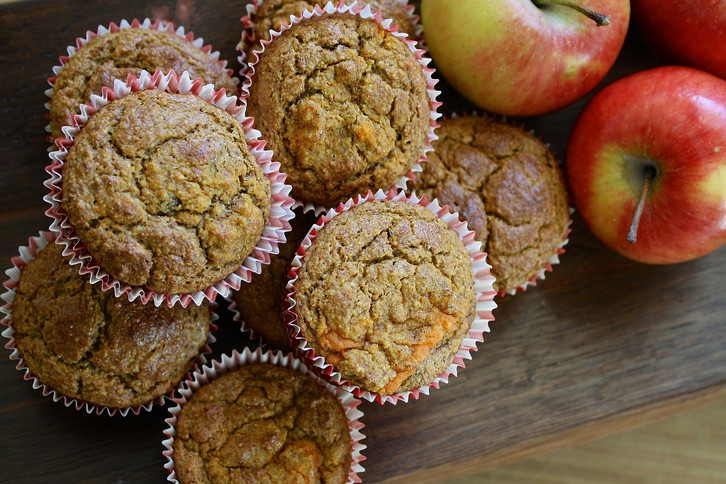
Buttermilk for baking: The sour buttermilk makes cakes, muffins or even bread nice and moist without adding a lot of calories. You can find a recipe for buttermilk bread here.
-
In muesli: If you like the sour taste, you can just as easily prepare your breakfast muesli with buttermilk instead of milk or yoghurt.
It is best to buy organic dairy products
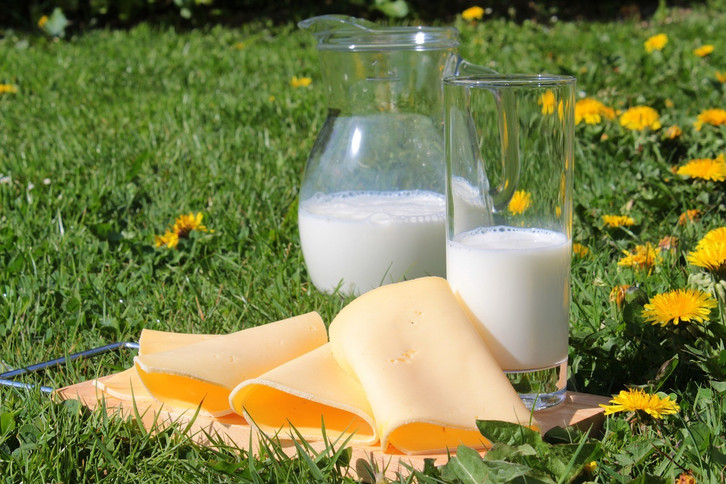
To benefit from the healthy properties of buttermilk, you should buy it organic if possible. An organic seal not only guarantees your own protection from pesticides in food, but also means better keeping conditions for the animals. In addition, with your purchase you support more sustainable agriculture.
However, there are also differences between the various organic seals. Here you can find information about the organic seal and find out what animals benefit from it.
Revised by Philipp Multhaupt
Read more on Techzle\.com:
- Soy milk vs. cow’s milk: which is healthier, more sustainable, more ethical?
- Kefir: What you need to know about the healthy milk drink
- Breakfast to lose weight: delicious ideas and recipes
** marked with ** or orange underlined Links to sources of supply are partly partner links: If you buy here, you are actively supporting Techzle\.com, because we then receive a small part of the sales proceeds. More info.