
A cold shock while swimming can be life-threatening. Experts explain what you need to know about cold shock in lakes and other swimming areas.
The outdoor swimming season has begun and the start was not a happy one everywhere: after the Pentecost weekend in 2026, the German Life Saving Society (DLRG) reported seven deaths after swimming accidents, according to a report by MDR. A particular risk is the so-called cold shock. You can find out here how this phenomenon comes about and what you should know about it.
Cold shock in the lake: an underestimated risk

It’s suddenly hot outside like midsummer – there’s nothing better than a jump into the cold water. But this is exactly what can be dangerous in spring. The reason: The water is often still ice cold. On the other hand, it suddenly becomes incredibly hot outside from one day to the next.
That alone is stressful for the body. Your heart then has to work harder, explains the DLRG to the MDR. If you then jump into the ice-cold water, your body may not be able to adjust to the change in temperature quickly enough and you may experience circulatory problems. This so-called cold shock quickly becomes life-threatening if you swim in an unguarded swimming area or if adults briefly leave their children out of their sight.
Boys and men are particularly at risk from cold shock, according to the MDR report. They often underestimate the dangers in the water, which can lead to corresponding consequences.
What happens to the body during cold shock?
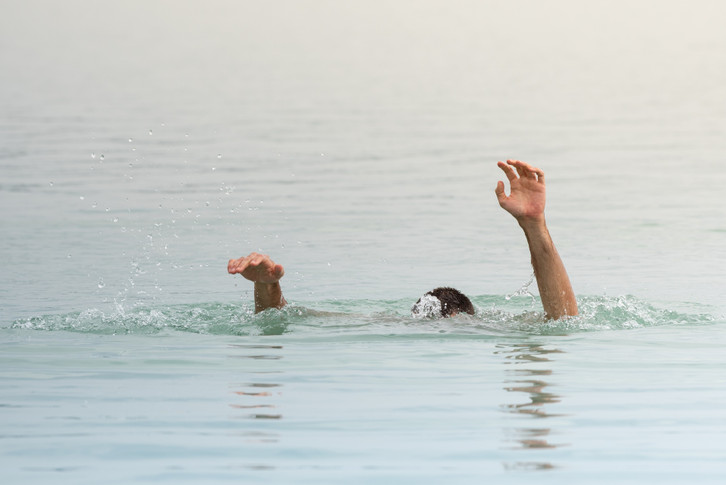
The DLRG explains what happens to the body during cold shock. After immersing yourself in cold water, various stresses affect the body in the first one to three minutes. These may then trigger reflexes that can be life-threatening:
- The frequency and depth of breathing increase suddenly and reflexively.
- You can suddenly hold your breath for a much shorter time because the urge to breathe is so great.
- Your heart rate and blood pressure increase sharply.
- At the same time, the cold water causes the blood vessels to constrict.
The more of your body is in the water and the greater the difference between water and body temperature, the more pronounced the effects described are. According to the DLRG, 80 percent of deaths from cold shock result from immediate drowning. In the other 20 percent, those affected die from heart failure, caused by the circulatory system trying to apply the accelerator and brake at the same time.
Physically, people with previous heart and vascular diseases are at increased risk of cold shock. But as the MDR report shows, even completely healthy and fit people can die from cold shock if they underestimate the risk.
Note: Even if cold shock doesn’t occur immediately, you can still hypothermiate yourself in cold water. Thirty minutes after diving in, you will steadily lose strength while swimming. Your muscles and nervous system can fail.
Prevent cold shock in the lake

The DLRG, MDR and Bayern 1 give tips on how you can avoid cold shock when swimming:
- It is best to always swim in supervised waters. If necessary, a trained rescue team will be there and can save your life in an emergency. In unguarded bathing areas such as lakes or rivers, there is also an additional danger from currents or boats.
- Do not drink alcohol before or while bathing, as consumption increases the risk of cold shock. Sometimes it’s enough if the water is at a mild 25 degrees Celsius.
- Never jump into the water head first and cool down step by step beforehand to get your body used to the water temperature. Either take a cold shower or enter the water slowly.
- Only swim if you feel physically fit.
Rescuing others from cold shock in the lake
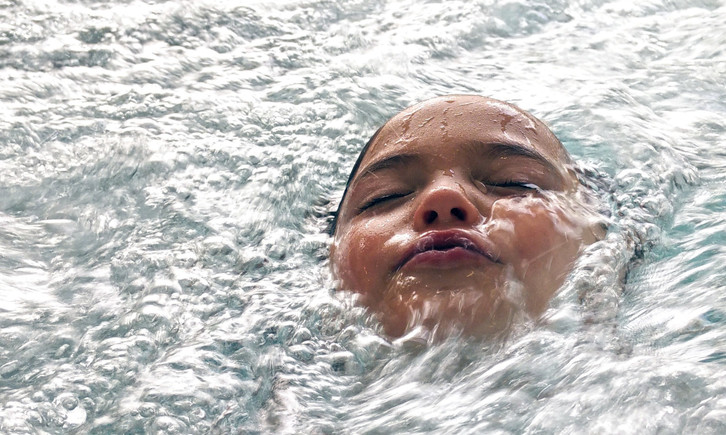
If you witness someone suffering from cold shock in the water, you should call emergency personnel for help. If the swimming area is unguarded and you have no training as a lifeguard, an attempt to rescue yourself can be life-threatening (this can happen even if you have the relevant training). The DLRG emphasizes that your own safety always has priority when it comes to third-party rescue.
- If you see someone drowning, you should not swim there immediately, but rather get yourself to safety and call the emergency number (112). If necessary, you should involve other bathers and ask for help. Then some can wait at the scene of the accident and show rescue workers the way, while others begin rescue and first aid.
-
Only swim to the drowning person if you feel able. If this is not the case, that is completely fine and will not be viewed as a failure to provide assistance. Because in water rescue, rescuers who overestimate their own abilities often die. Alternatively, you can throw the person a life preserver. If the drowning person has already gone under, the ring can mark the spot and thus help with rescue.
- If you decide to swim to the drowning person, there are a few things you need to consider. You can find everything you need to know, including illustrations for better instructions, in this PDF file.
Read more on Techzle\.com:
- Learning to swim: Your child needs these requirements
- Smell of chlorine in the swimming pool: This has sweat and urine to do with it
- Parasite under the skin: What you should know about cercariae in swimming lakes
** marked with ** or orange underlined Links to sources of supply are partly partner links: If you buy here, you are actively supporting Techzle\.com, because we then receive a small part of the sales proceeds. More info.