
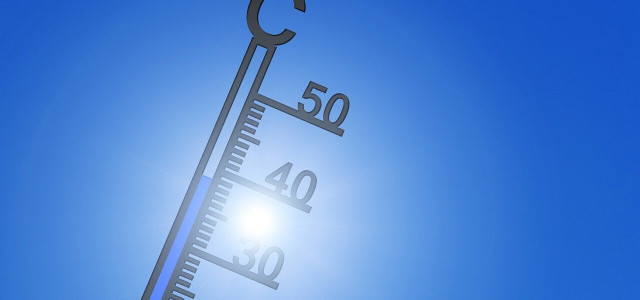
Heat and blazing sun push the body to its limits and can even be fatal. Who is particularly at risk, what warning signs everyone should know – and what to do in an emergency.
Temperatures well over 30 degrees, the sun is burning. An extreme strain on the body – and potentially life-threatening. The last time it happened was in June. As a result of this extreme phase, there were more than 5,000 heat deaths in Germany, estimates the Robert Koch Institute (RKI) in its current weekly report on heat-related mortality.
For whom heat is particularly dangerous
In most cases, it is a combination of heat and pre-existing medical conditions that leads to death. But it can also be the direct effect of heat on the body that ends fatally – for example in heat stroke.
The Federal Institute for Public Health (BIÖG) lists people aged 65 and over, pregnant women, babies and small children and people with previous illnesses at particular risk of health risks from heat, according to the Federal Institute for Public Health (BIÖG) on its “Climate – People – Health” portal.
When does it become critical? And: What should you do in an emergency? An overview.
Recognize sunstroke: head hot, neck sometimes stiff
Sitting in the blazing sun for a long time without a cap or hat? Then there is a risk of sunstroke. This results in irritation of the meninges and, in severe cases, even brain swelling, according to BIÖG. This can be noticeable through the following symptoms:
- Headache
- nausea
- hot, red head
- Those affected sometimes also have a mild fever, impaired consciousness, seizures and a stiff neck
Good to know: The symptoms can occur with a delay of two to twelve hours after the time in the blazing sun. Babies, small children and people with little hair on their heads are particularly at risk of sunstroke.
Recognize heat stroke: clouding of consciousness is an alarm signal
When you suffer from heat stroke, the body is no longer able to dissipate all the heat through sweating etc. – it builds up. The body temperature rises to 41 degrees or more within 10 to 15 minutes, according to the Health Knowledge Foundation.
The BIÖG lists the following as further warning signs that indicate heat stroke:
- red, hot and dry skin
- Nausea, dizziness, vomiting
- Seizures
- rapid breathing and a rapid, weak pulse
- Confusion, drowsiness – even loss of consciousness
Heat stroke is life-threatening; if you suspect it, you should call 112.
Detect dehydration with skin fold and pressure tests
The body loses a lot of fluid through sweating on hot days. If we don’t drink enough, there is a risk of a lack of fluids, known in medicine as dehydration. According to BIÖG, it can manifest itself through:
- dry, chapped lips
- rare urge to urinate
- Loss of performance, tiredness, difficulty concentrating
- mild headache, dizziness
The skin fold test can also reveal whether a body has already lost too much fluid. To do this, you pull up the skin on the back of your hand and let it go. If it only straightens out very slowly, this indicates a lack of fluid.
Alternatively, you can also press briefly on the nail bed, as the portal “gesundheitsinformation.de” suggests. If the body is sufficiently hydrated, the pink skin color returns after two to three seconds.
Here’s what you should do in heat emergencies:
Heat stroke, dehydration and sunstroke cannot always be clearly distinguished from one another by laypeople. And they can perform together. If you notice that you or someone else is not feeling well on hot summer days, you should keep these things in mind:
- If your consciousness is clouded or if a person is already unconscious, you should call the emergency number 112.
- In principle, the following applies: quickly get out of the heat and into the shade or a cool place. Head and upper body should be positioned slightly elevated.
- If you suspect sunstroke, you can cover your neck with damp cloths. Moist compresses also help to cool the body if heat stroke is suspected. BIÖG also advises taking off excess clothing.
- The following applies not only if you suspect a lack of fluids: Drinking a lot is important now, ideally water, unsweetened teas and thin juice spritzers. However, if a person is unconscious or severely confused, you should avoid giving them fluids. There is a risk of suffocation, warns the BIÖG:
- If you are dehydrated, it is also a good idea to drink bananas, dried fruits or isotonic sports drinks. They provide a combination of fructose and minerals that helps the body absorb water faster.
- Are the symptoms not improving? Then a prompt visit to the doctor is recommended.
Independent journalism needs people who stand behind it – including in Google searches. Now send a signal for more sustainability and → Save Utopia as a preferred source.
** marked with ** or orange underlined Links to sources of supply are partly partner links: If you buy here, you are actively supporting Techzle\.com, because we then receive a small part of the sales proceeds. More info.