

Kudzu has long been considered a medicinal plant for various ailments in Asia. Here you can find out more about its features and whether it really does what it promises.
Kudzu, also known as kuzu, is a plant native to Asia. It is one of the legumes. While it has been known in Japanese naturopathy for some time, for example, it is a newcomer in Europe. Here you can buy them in the form of powder, tablets or extract as a dietary supplement.
Manufacturers promise, among other things, that kudzu preparations make it easier to quit alcohol and smoking, help with various metabolic problems or relieve menopausal symptoms. Although medical studies indicate that kudzu could have health-promoting potential, there are hardly any research results on the specific effects of preparations. The plant can also cause dangerous side effects.
What is kudzu?
Kudzu originally comes from the Japanese mountains. The legume also grows in China and Korea. In Japan, its cooked root is considered a traditional food. The starch from kudzu root is also used as a binding agent.
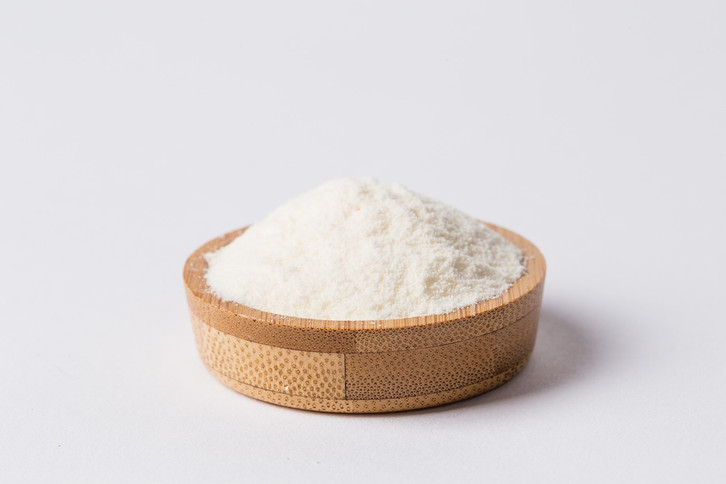
The kudzu that you can buy as a dietary supplement today is also extracted from the roots. To do this, workers chop up the roots and extract the starch from the plant parts in several steps. The starch then dries. You can usually buy them freeze-dried as powder.
How does kudzu root work?
The healing effects of kudzu root are said to be primarily due to the isoflavones it contains. Isoflavones are secondary plant substances. They are also contained in soy, for example, and their structure is similar to the hormone estrogen.
Scientific studies confirm that the isoflavones contained in the kudzu plant have, among other things, antioxidant effects, protect the nerves and the cardiovascular system and can prevent diabetes and cancer. They can also help with alcohol detoxification. However, these effects have not yet been comprehensively investigated in relation to kudzu preparations.
A study on rats in 2020 confirmed the anti-diabetic effect of kudzu root. It is unclear whether these results can be transferred to humans.
Is kudzu healthy?
None of the supposed healthy effects of kudzu have yet been clearly scientifically proven. Instead, if the dosage is too high, the plant may even have a negative effect. The Federal Institute for Risk Assessment (BfR) warns against additionally taking isoflavones through supplements. It is still controversial whether secondary plant substances really have a positive effect on hormone balance, bone density or the cardiovascular system.
In addition, if the dose is too high, there is a risk of damaging the thyroid. According to the BfR, isoflavones can also change the mammary gland tissue in excessive amounts. This can potentially promote the development of breast cancer. Women during and after menopause who are taking hormone therapy are particularly at risk because their risk of developing breast cancer is increased.
The consumer advice center also recommends that women suffering from uterine cancer only take kudzu under medical supervision. Pregnant women, breastfeeding women and children should avoid the product. In addition, it is still unclear whether and in what way the Asian plant affects the effectiveness of enzymes and medications taken. Interactions with alcohol cannot be ruled out either.
Kudzu and the sustainability question

From an ecological perspective, the kudzu plant is also problematic. On the one hand, she has to travel long distances to Germany. This creates a lot of CO2 emissions, which drive global warming.
On the other hand, kudzu is one of the invasive neophytes, i.e. introduced plants that spread aggressively and threaten the biodiversity of native ecosystems. The climbing lianas form dense mats that can completely overgrow the existing vegetation. There have already been problems with kudzu as an invasive plant in Switzerland, for example.
Conclusion: How useful is the medicinal plant?
The myth still persists that herbal preparations are generally harmless to health. In some cases this is not the case. Preparations containing kudzu are not only expensive and may not deliver what they promise, but they can also harm your health. They also pose a problem from an ecological point of view because of the long transport routes and their invasive nature.
We therefore recommend that you always critically question the manufacturer’s promises when it comes to kudzu and similar dietary supplements and seek medical advice before taking them.
Revised by Philipp Multhaupt
Read more on Techzle\.com:
- Maca and maca powder: High nutritional value and valuable ingredients
- Coconut water: 5 unpleasant facts about the trendy drink
- Superfood list: These berries, fruits and powders have it all!
Independent journalism needs people who stand behind it – including in Google searches. Now send a signal for more sustainability and → Save Utopia as a preferred source.
** marked with ** or orange underlined Links to sources of supply are partly partner links: If you buy here, you are actively supporting Techzle\.com, because we then receive a small part of the sales proceeds. More info.