

The female cycle occurs again every month. We will explain to you what happens in the individual phases and how you can best support your body.
Almost every woman or person with a uterus of childbearing age knows this: bleeding occurs once a month and unpleasantly painful cramps can also occur. But the menstrual cycle is much more than just menstruation itself. Every month the body prepares itself to potentially accommodate a growing child for nine months.
In total, the female cycle goes through four phases every month. But sometimes only three phases are spoken of.
What controls the female cycle?
The cycle is controlled by several hormones that are produced in the pituitary gland, the ovaries and the uterus. The brain gives the starting signal for the start of a new cycle: it releases follicle-stimulating hormone (FSH), which stimulates the follicles or follicles in the ovary to mature.
The hormone sets in motion a cycle that repeats itself over and over again within approximately 28 days. The length of the menstrual cycle varies from person to person and, according to AOK, can last between 21 and 35 days. Fluctuations are also normal.
Phase 1 of the female cycle: Menstruation
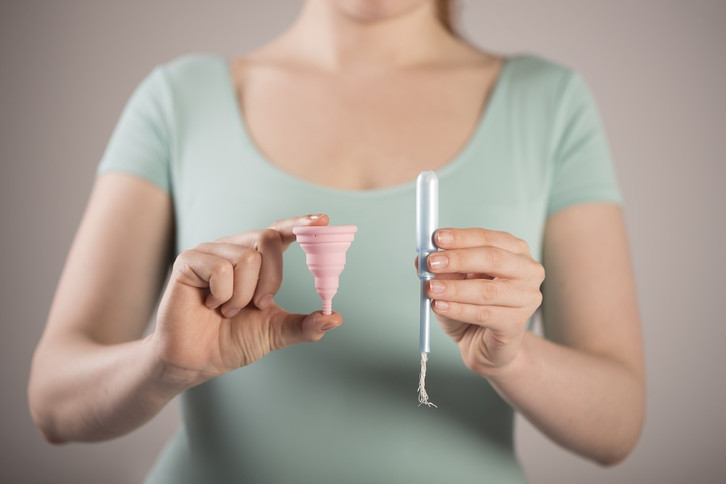
Even if it sounds strange, the phases of the female cycle start with menstruation: the uterus is not needed if the egg is not fertilized. Therefore, it sheds the top layer of skin that was previously formed and bleeding occurs. According to AOK, this can last three to seven days. On average, a woman only loses 50 to 100 milliliters of blood per bleed.
Menstrual problems such as cramps, nausea or headaches often occur in this phase of the cycle.
Phase 2 of the female cycle: The follicular phase with ovulation

After menstruation, phase 2 of the female cycle goes: the follicular maturation phase or follicular phase, which actually begins directly with menstruation. During this phase, the uterine lining rebuilds itself after bleeding due to estrogen. Follicular vesicles are already maturing in the ovary.
When the uterus is “prepared,” ovulation occurs. The egg cell has now fully matured and leaves the follicle. It travels via the fallopian tubes towards the uterus. This is the fertile phase during which you can become pregnant. This phase of the female cycle ends with ovulation.
Phase 3 of the cycle: The corpus luteum or secretory phase
The corpus luteum is now formed from the empty follicle in which the egg cell previously grew, as the AOK explains. It produces the corpus luteum hormone, also called progesterone, which in turn stimulates the uterus. The uterus prepares for the fertilized egg to implant.
This phase is also known as the luteal phase.
Phase 4 of the female cycle: The ischemic phase

If you are not pregnant, the corpus luteum degenerates in this phase of the cycle and progesterone drops again. This triggers menstrual bleeding again. According to gynecologists online, this part of the female cycle is often viewed as part of the secretion phase.
As Netdoktor writes, premenstrual syndrome (PMS), breast tenderness or headaches may occur at the end of the second part of the cycle.
Female cycle: How to support your body in the individual phases
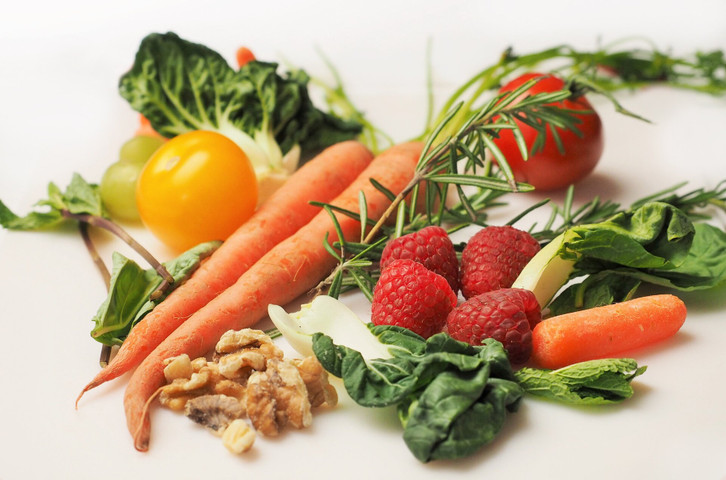
It’s not always easy to determine when your body is in which phase, because many women have significant fluctuations in their cycle. What can help you determine this is the basal temperature measurement method or a cycle app.
When it comes to the female cycle, the focus is often on the days of bleeding. They are annoying because many people are less productive and sometimes also plagued by pain.
Instead of being impatient with yourself when it’s finally over, you should listen to your body during this time:
- Give him the rest he needs. Plan your period and the days before it into your schedule as much as possible so that you don’t do the most stressful things during this time.
- Be patient with yourself and take it easy.
- During your period, you can relieve your body with some home remedies such as lady’s mantle tea.
But you shouldn’t just be careful during your period. Hormones play a role throughout the cycle:
- For example, you can try cycle-based training. You adapt your sports program to your hormonal fluctuations.
- Nutrition during the cycle can also make a difference. However, more studies are needed for more precise findings, such as Natural Medicine! explained.
Edited by Lea Hermann
Read more on Techzle\.com:
- Removing the menstrual cup: This is how it’s easy and hygienic
- Free Bleeding: How free menstruation works
- Recognize warning signs of cancer: A few minutes a month are enough
Independent journalism needs people who stand behind it – including in Google searches. Now send a signal for more sustainability and → Save Utopia as a preferred source.
** marked with ** or orange underlined Links to sources of supply are partly partner links: If you buy here, you are actively supporting Techzle\.com, because we then receive a small part of the sales proceeds. More info.