
© FIFA
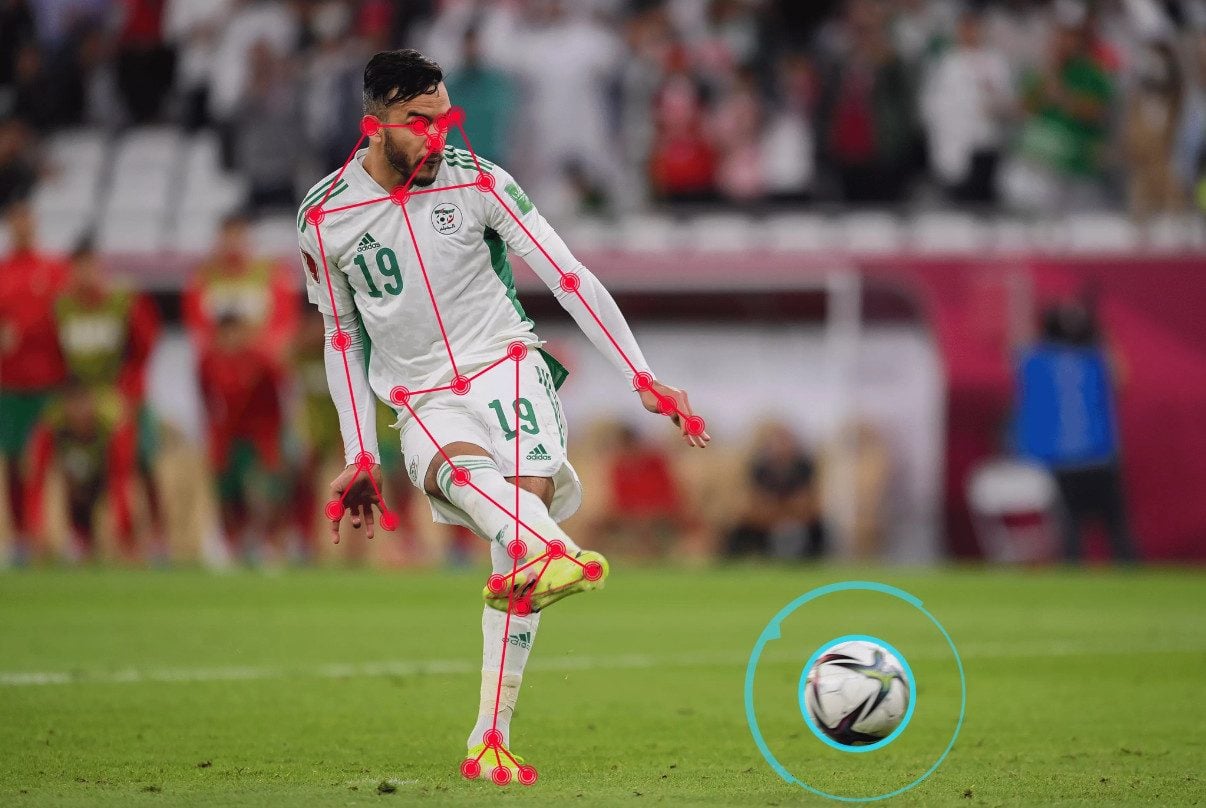
For the upcoming FIFA World Cup in Qatar this year, FIFA says it will use semi-automated technology to detect offside with devilish precision.
To avoid refereeing errors as much as possible during the next FIFA World Cup, the International Federation of Association Football (FIFA) will use proven technology that analyzes the slightest movement of players and the ball in order to detect an offside position. before sending it to the video referees.
The end of offside controversies during football matches
Football fans know that good or bad refereeing can completely change the outcome of a match. To avoid errors, technology comes to assist the referees who will be able to make the most informed decisions possible. After testing video refereeing during the 2018 World Cup, FIFA will improve it this year thanks to this new technology that uses artificial intelligence.
No less than 12 cameras will be positioned under the roof of the stadium so as not to miss anything of the movement of the players and the ball. They will make it possible to check 50 times per second up to 29 data points on the players. The objective is to see precisely if a part of the body (head, trunk or legs) is in an offside position.
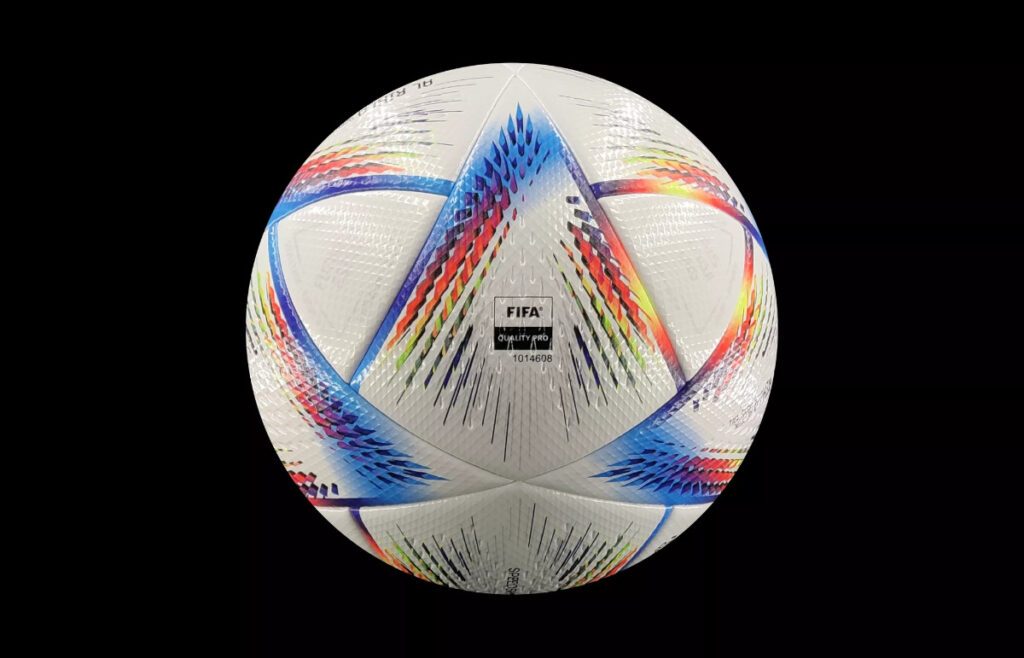
But this data would be useless if we could not determine the precise moment at which a player passes to his teammate. This is where “Al Rihla”, the official ball of the 2022 World Cup in Qatar, comes in. At the heart of this ball is an inertial measurement unit sensor that sends data 500 times per second to the viewing room to detect as accurately as possible when the player touches the ball to make their pass.
A valuable aid for video referees
The data transmitted by the ball and that obtained by the players thanks to the cameras combined with artificial intelligence allow the video referees to receive an alert automatically in the event of offside. The latter will then have to validate the decision before transmitting it to the referee on the ground. We’re talking about a process that only takes a few seconds, which allows decisions to be made very quickly.
Legendary referee Pierluigi Collina, now Chairman of the FIFA Referees Committee, also hails this technological breakthrough:
“We know that sometimes the process of checking for a possible offside takes too long, especially when it’s being played within inches. This is where semi-automated offside detection technology is crucial: to enable faster and more accurate decisions. »
Spectators will also be able to take advantage of this technology. Once the decision has been validated by the referees, the data will be transposed into 3D animation which will show from the best possible angle the positioning of the players and the ball when it was touched. This animation will be broadcast on the giant screens of the stadium and made available to the television channels broadcasting the match.
Fifa