
© Nikon
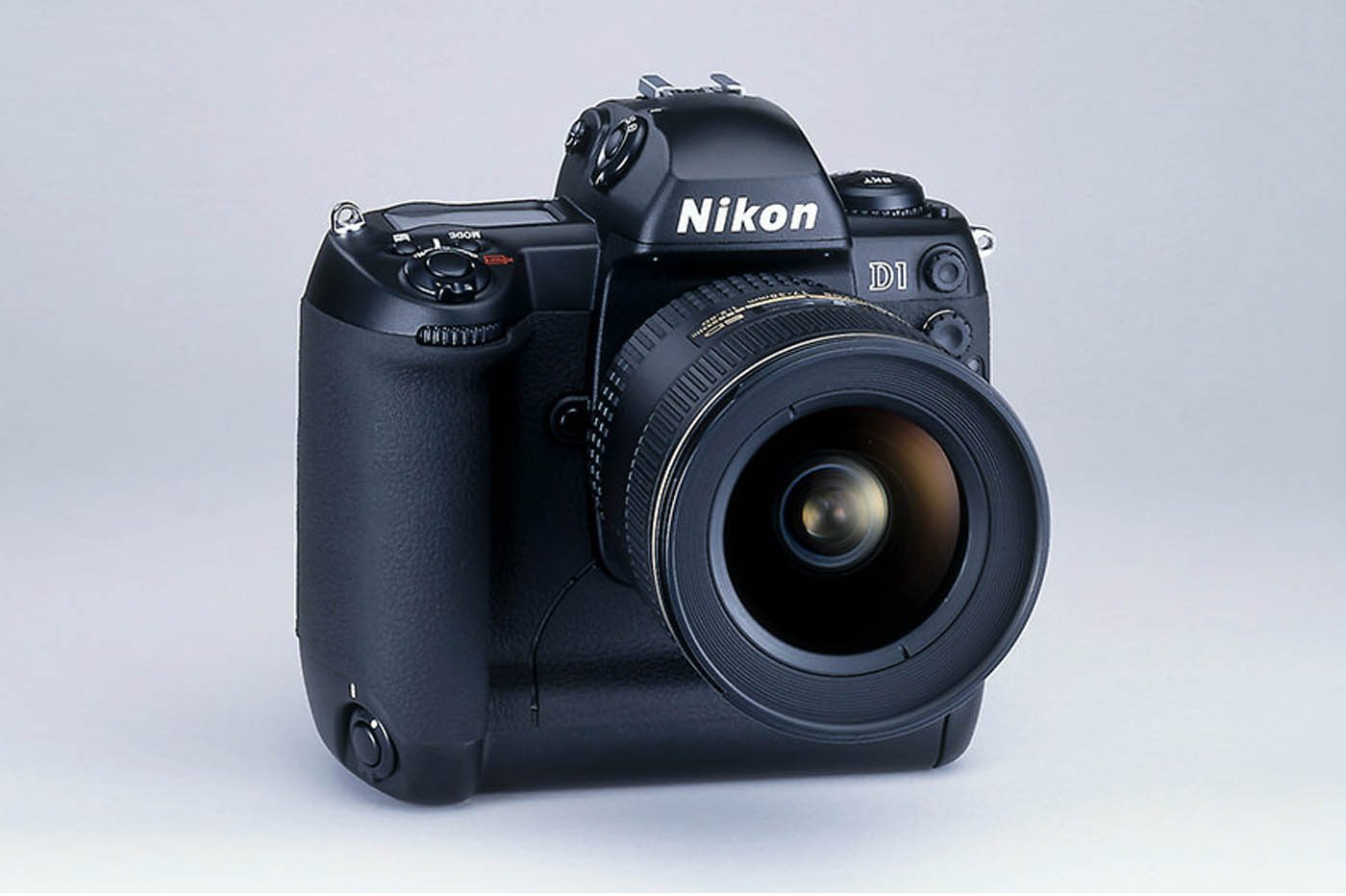
Japanese manufacturer Nikon has officially put an end to 23 years of DSLRs. And, incidentally, to 63 years of SLR adventure. The advent of hybrids has indeed taken place, SLRs are officially a thing of the past… but those who are there will continue to make beautiful images.
At Nikon, the silver SLRs will have lasted longer than the digital ones! While the Nikon F6, the brand’s last film camera, ceased to be produced in 2020, it is in July 2022 that the Japanese group announces the end of the development and production of digital SLRs.
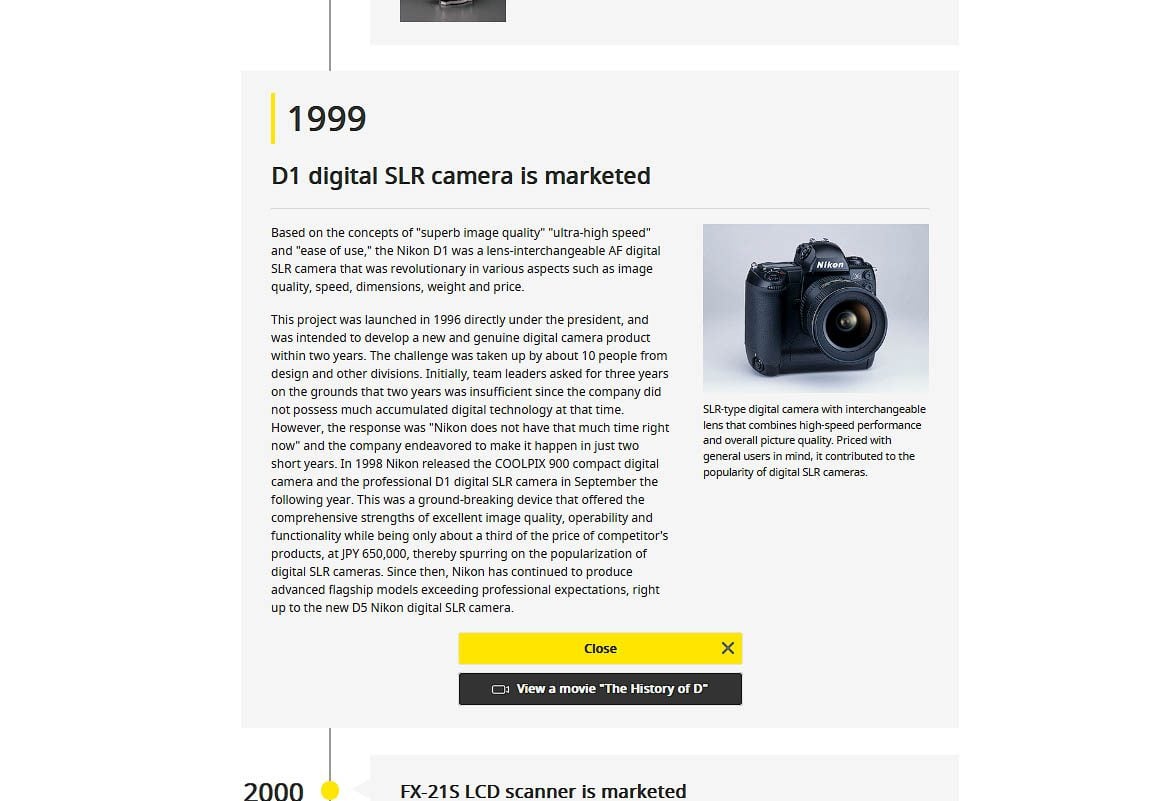
Started in 1999 with the Nikon D1, the history of Nikon’s digital SLRs will therefore have lasted 23 years, compared to 61 years for the analogue ancestors. Canon, for its part, has already indicated that its professional SLR, the 1DX Mark III, would be the last in the series. Its greater industrial power could allow it to continue producing consumer SLR cameras, but not much longer than Nikon. Because the technological wind has turned.
SLRs overtaken by hybrids
Some Nikon lovers will react emotionally. The reality is that this decision was predictable – if Nikon was not a Japanese group, but Korean, American or Chinese, it would have been a long time since the SLR range was dead! – because of sales volumes, but also the superiority of hybrids on the overwhelming majority of technical points.
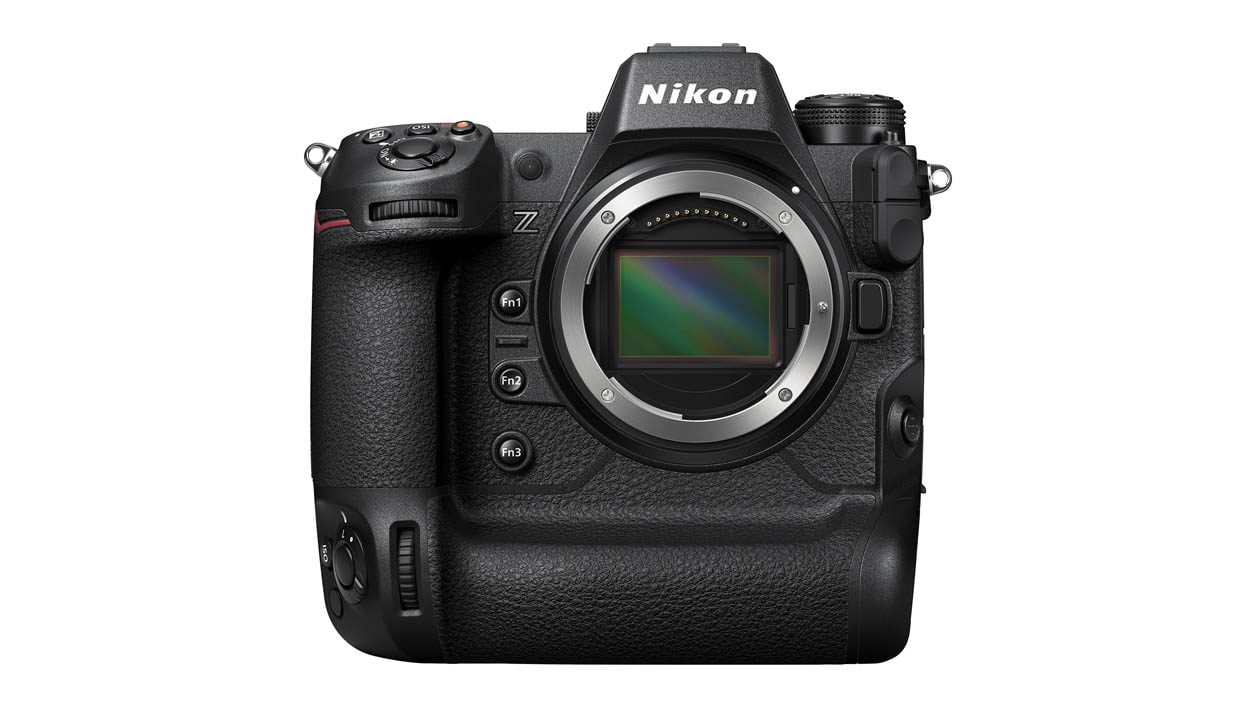
On the sales side, the photo returned to the small volumes of the 80s, refocused on a market of enthusiasts and professionals. Keeping two lines of development and production doesn’t make sense financially, because it’s harder to absorb the costs.
On the technological side, the twelve years of evolution of hybrids (since the Sony NEX 5 in 2010) have enabled them to erase all their weaknesses, to catch up with all their delay. And to largely dominate DSLRs in many areas – subject tracking, continuous autofocus, burst, video, compactness, etc. SLRs still have a lower energy consumption and a sight that some people prefer for habitual reasons. On the technical side, however, the mass is said.
Technical support will continue (for a while)
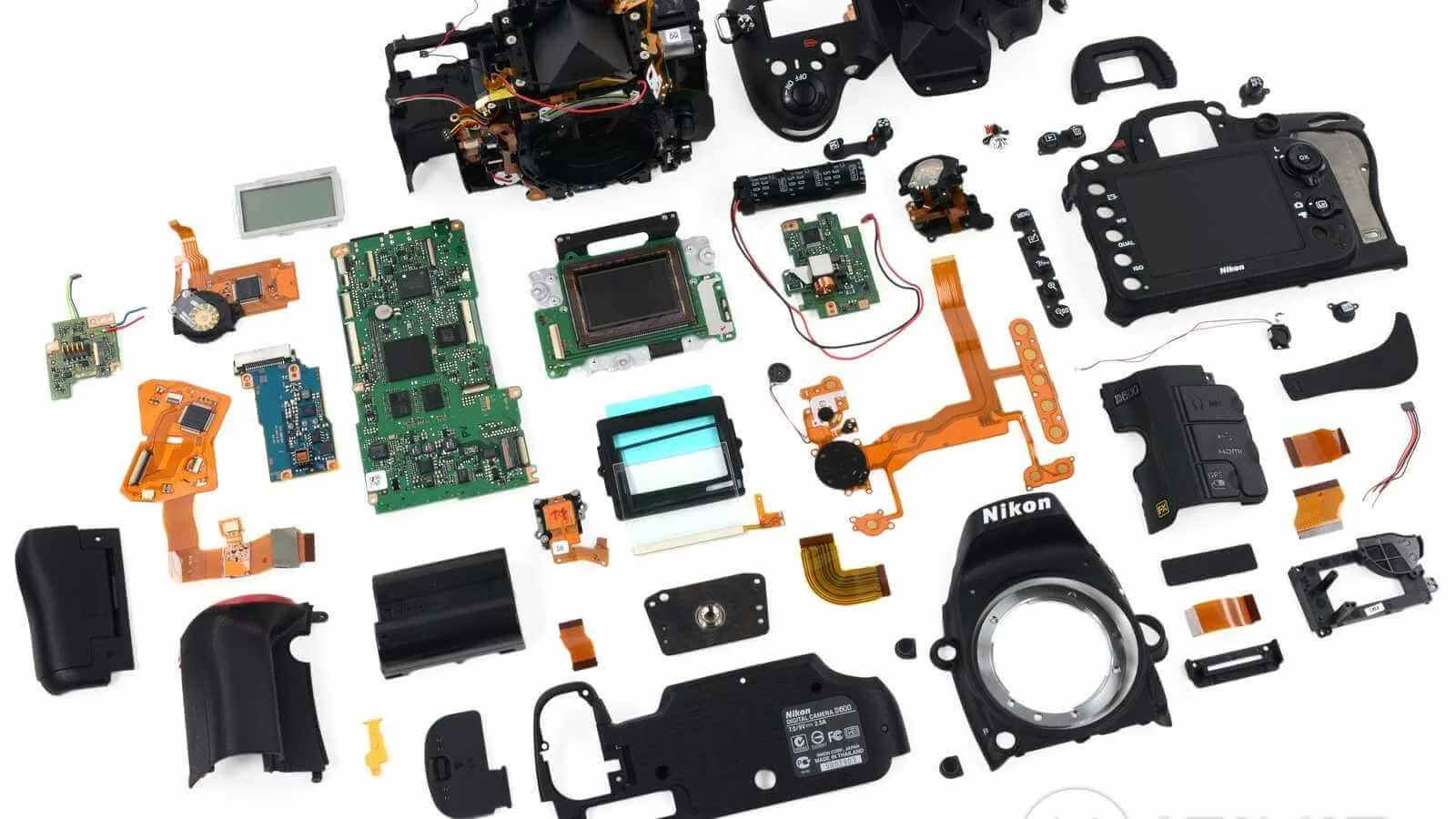
If you own a Nikon SLR, your product warranties are still valid. And this until the stocks of enclosures are exhausted – that is two years after the date of purchase. There are still volumes of boxes in circulation, they will be sold slowly. Behind the act of purchase, the repair circuits will be maintained for a while, thanks to the volumes of boxes already installed. Eventually, within one or two decades, following the path of silver, only a few passionate craftsmen will be able to repair old cases.
That demise may be slower in Japan, where the brand’s level of service is nothing short of phenomenal. In Japanese repair centers, employees in white gloves take care of old compacts like bridges as if they were ancient treasures (ah, Japanese customer service!). For the rest of the world, the circuit of repairs and spare parts will follow the course of the history of the devices of the past. But past and outdated does not mean useless. Far from there.
Second-hand, the second (long) life of SLRs

The end of production does not mean the end of uses. Nikon SLRs are those that offer the oldest and one of the largest optical parks in the world – the F mount dates from 1959! If some mythical or rare models will perhaps increase in value (no, don’t talk to me about the Nikon Df!), the large sales volumes of certain consumer cameras (D3000/D5000 series) mean that their prices should quickly melt . Enough to become excellent candidates for less fortunate photographers, needing a second or even third camera, for schools, etc. With at the end, with good optics, the “reflex” quality (but cheaper).
And with the renewal of many boxes, especially at the top of the range, the many D800/D810/D850/D4/D5 replaced by the Z7/Z7 II and other Z9 will be able to lower the price of full frame for many users. Who can rightly be scared off by the increasingly high prices of modern cases. Given their robustness, Nikon SLRs, which are now officially tools of the past, have the potential to delight millions of image makers for years to come.
Ars Technica