
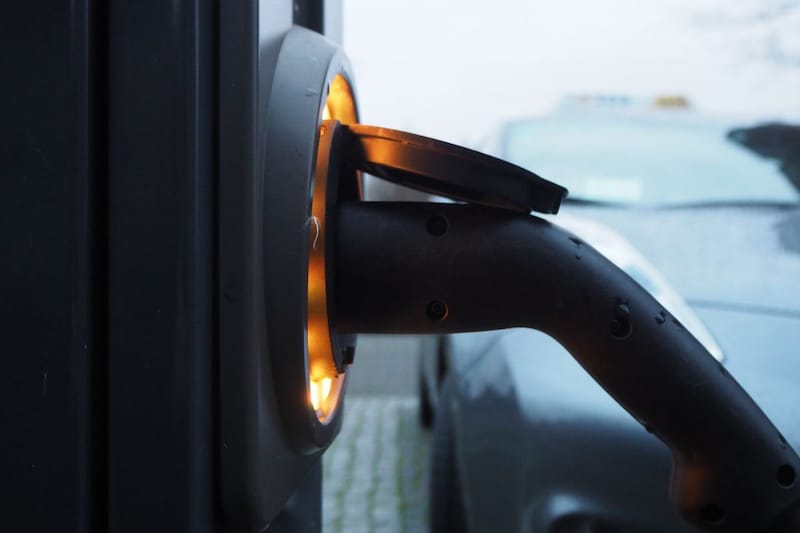
If you want to install a charging station at home, you want one that works best for you. How do you choose a charging station? What should you pay attention to?
With the arrival of an electric car at your doorstep, you can also opt for a charging station. At least: if you can place a charging station. Because you must then be able to charge the car on your own property or, for example, in a parking space of your apartment. How do you choose a charging station and which considerations play a role? We assume that you can charge on your own land.
Charging with a 1-phase or 3-phase connection
Does your house have a 1-phase or a 3-phase connection? With a 3-phase connection you can charge faster. This is especially useful if you expect your car to have a full charge again in a short time. But if you mainly occasionally use the car for shorter pieces, then you don’t necessarily have to make this upgrade. Your charging station must be suitable for it. And if you still have a 1-phase connection, it is useful to opt for a charging station that can also work with 3-phase current in the future. After all, the charging station is a larger investment than realizing a 3-phase connection and you may want to be able to charge faster in the future.
Dynamic Load Balancing
This is an extra that a charging station must have in the software. It helps to prevent your home from being overloaded by electricity when you are charging the car. Especially if you use a washing machine, dishwasher or induction hob at the same time. Or if you have a heat exchanger. With Dynamic Load Balancing, the car charges less quickly, if at all, if a lot of power is required in other places. If you already have 3-phase power at home, this is already largely absorbed, but if you have a 1-phase connection, this is a factor to watch out for.
Charge directly or with a charge card
You can charge the charging station directly when you plug it into the car. Then basically anyone can charge the car. If you don’t want that, choose a charging station with a card reader. Then you have extra protection against use of the charging station by others. You can also keep track of who is charging and how much has been loaded. This is especially useful if you have a company lease car, because you can also get the costs of charging it back at home.
Fixed cable or connection
You can get a charging station with a fixed cable or with a connection into which you plug a loose cable, for example the one from the car. Then you actually have a socket to charge. The latter is useful if you have two electric cars, one of which has a type-2 plug (or Mennekes). That is the standard nowadays. A number of electric cars, especially older ones from Asia or the United States, have a type 1 plug. If you have a charging station with a fixed type-2 plug on the cable, you would not be able to charge it. And then you choose a charging station with a connection so that you can insert both cables.
Wallbox or do you choose a charging station?
It seems like a small question, but it is very practical … do you want to attach the contact to the wall, so a wallbox, or do you choose a charging station that is separate? In the latter case, the pole is further away from the house, but you have to order an extra pole to attach it to. That often costs a few hundred euros extra.
Design and colors
The finishing touch consists of the finish. There are charging stations that come in a white, dark gray or black box. It can be square or elongated and rounded. There are also charging stations that you can get in all possible colors. If that’s important to you, it’s worth taking a closer look and comparing different models.
More questions when choosing a charging station
If you have more or specific questions about choosing a charging station, you can ask an installer to think along with you. In most cases you will need an expert for installation. Ultimately, you choose a charging station that is completely to your liking!
– Thanks for information from Autoweek.nl