

Exercising in the heat is very tiring for your body and can be dangerous for your health. Nevertheless, there are sports that are also suitable in hot temperatures.
Even in summer you don’t have to do without sport. Exercising in the heat puts a greater strain on your circulation, however, because the higher the outside temperature, the higher your body temperature. So your body has to work harder to keep your body temperature at a normal 36 degrees. If you still want to do sports in extreme heat from 30 degrees Celsius, you should pay attention to a few things.
Sport in the heat: You should pay attention to this

(Photo: CC0 / Pixabay / congerdesign)
When it’s hot, your body has to work harder to maintain your normal temperature. The heart and circulation are increasingly busy taking care of the cooling. With the same load, your heart can beat up to 20 beats faster in the heat. During sport, this means that you may not be able to perform as well.
Sweating is a particularly important cooling mechanism because your sweat causes evaporative cooling and cools your body. If you sweat a lot, it doesn’t mean you’re badly trained. Your body has just learned to balance your body temperature and the ambient temperature.
You should consider the following points if you want to do sports in the heat:
- Reduce the intensity: When the temperature is high, you should reduce the intensity of your exercises so as not to put unnecessary strain on your cardiovascular system. Take a break if it gets too tiring.
- Adjust your training times: It is best to train in the morning or in the evening, because it is cooler then and you are not exposed to the blazing sun.
- Train in the shade: When exercising, you should avoid direct sunlight to avoid sunstroke. Find a place that is as shady as possible. You can go hiking or jogging in the forest.
- Protect yourself from the sun: If you cannot train in the shade, it is important that you protect your head and face from the sun with a hat. You should also wear sunscreen. Waterproof sunscreen works well because it won’t run despite your sweat. Check out our article on how to properly apply sunscreen. It is best if you do not do any sport in the blazing sun when the temperatures are high. But even if you train in the shade, sun protection is essential.
- Drink enough water: It’s important to drink enough water when exercising in hot weather. The AOK advises drinking half a liter of lukewarm tap water before the workout. Bring a water bottle if your workout is longer than 60 minutes. After exercising, you can drink sodium-rich mineral water. You should avoid cold water, as it leads to sweating attacks and puts a strain on your stomach. As a competitive athlete, you can use isotonic drinks.
- Wear functional clothing: Wear breathable sports clothing. This wicks your sweat away and protects your body from overheating. Make sure that your clothing also protects against UV radiation and is loose and airy. Sweatbands are also very advisable as they absorb excess sweat. Cotton clothing soaks up sweat and you cannot regulate your body temperature as well. Synthetic fibers wick moisture well, but can harm the environment. Therefore, make sure to buy sustainable sports fashion that, for example, uses recycled plastics.
- Do not take an ice-cold shower: Avoid taking a cold shower immediately after exercising. The rapid change from warm to cold can lead to circulatory problems. So after exercising, wait until your body has cooled down a bit and, as a precaution, only shower lukewarm. More information here: Cold showers: It’s so good for your health
Which sports are suitable in the heat?

(Photo: CC0 / Pixabay / Kanenori)
In principle, you can practice any sport even in the heat. However, you should adapt them to the high temperatures to avoid heat stroke or other health problems.
The following sports are suitable in the heat:
- Water sports: Swimming, rowing, surfing or stand-up paddling are suitable sports in the heat. The water is warmed up by the high temperatures and is refreshing at the same time. However, if you spend a long time in or on the water, you should protect yourself from the sun’s rays. This is reflected by the water surface and has a stronger effect.
- Endurance sports: You should approach endurance sports moderately. According to RP Online, very intensive training with many sprints or so-called HIIT (High Intensity Interval Training) are not suitable. Prof. Andreas Niess from the sports medicine department at the University of Tübingen advises the SWR to train at a low speed: When jogging and cycling, you should not aim for your usual pace, but rather take it slower. As a beginner, you should refrain from endurance sports, as getting started at high temperatures is too strenuous.
- Yoga and Pilates: Yoga and Pilates can also be very strenuous. So you should adapt the exercises to the heat. Long held positions and slow movements are appropriate in the heat. Certain positions are even said to have a cooling effect on your body.
- Hiking: Hiking is also a suitable sport in the heat. It is best to choose a route through the forest that is as shaded as possible in order to be protected from the sun’s rays. Here you can adjust the intensity yourself with the running speed.
- Weight training in the fitness studio: In fitness studios you are not exposed to high levels of sunlight and there is usually air conditioning. You can adjust the intensity of the exercises to suit your needs. However, when you step out of the air-conditioned studio into the heat after your workout, you should pay attention to your circulation.
Risks of exercising in hot weather
(Photo: CC0 / Pixabay / Peggy_Marco)
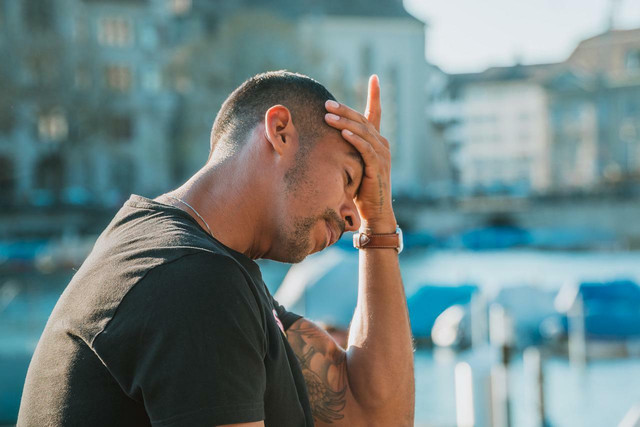
Exercising at high temperatures places a particular strain on your body. If your body gives you the following warning signals, it is better to pause or stop exercising altogether when it is hot:
- headache
- dizziness
- weakness
- circulatory problems
- nausea
- visual problems
- coordination difficulties
- very high heart rate
- fatigue
- a hot head or fever
These symptoms can indicate overheating, according to RP Online. Specifically, exercising in the heat puts you at risk of sunburn, sunstroke, dehydration, heat stroke, or heat exhaustion. If you have these symptoms, stop exercising and go indoors or in the shade. You should also drink enough. Your body needs to cool down as quickly as possible. Seek medical help if symptoms don’t go away after a few hours.
No sport with pre-existing conditions

(Photo: CC0 / Pixabay / Pexels)
People with cardiovascular disease should not exercise in the heat as they risk heart attacks, according to RP Online. People with asthma should also be careful, because high levels of solar radiation also increase ozone, which can damage the lungs. Also read: Summer smog: That’s what’s behind it
Older people can no longer regulate their body temperature as well, which is why they should not exercise when the temperature is high. Pregnant women should also refrain from exercising when it is hot. More about this here: Sport during pregnancy: Which sport and how much of it?
Read more on Techzle.com:
- Sleeping in the heat: 12 common mistakes that make you sleep less well
- What to do on a hot day 5 leisure ideas in the heat
- What to do when it’s hot The best tips for surviving the heat wave