
Buzz or hum
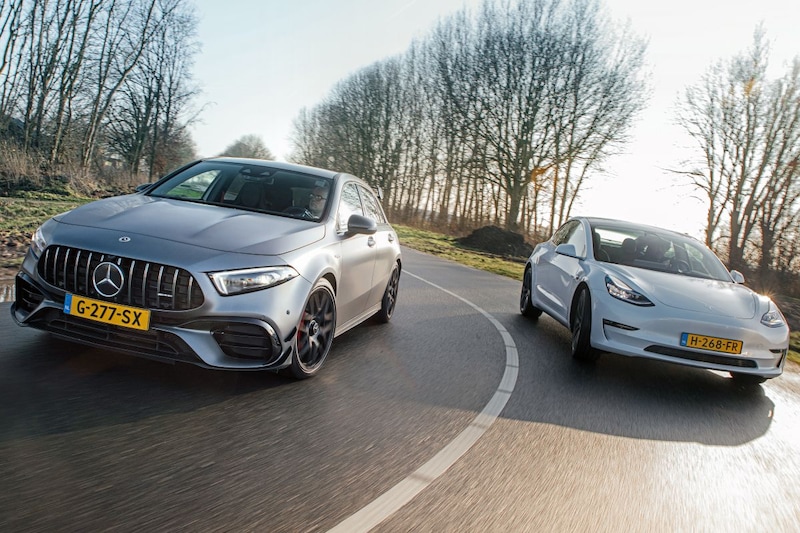


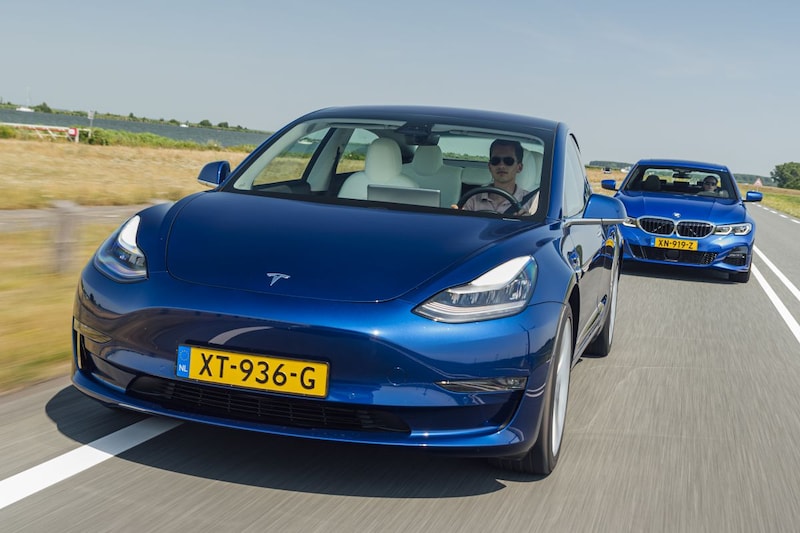
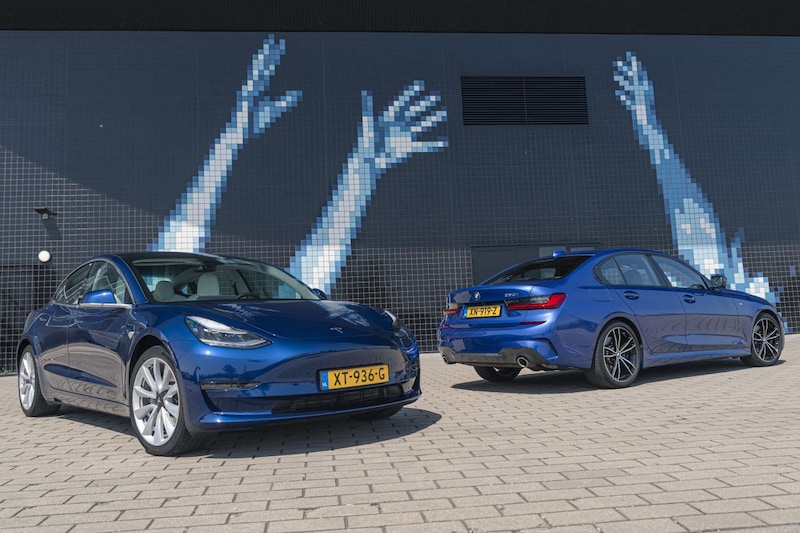
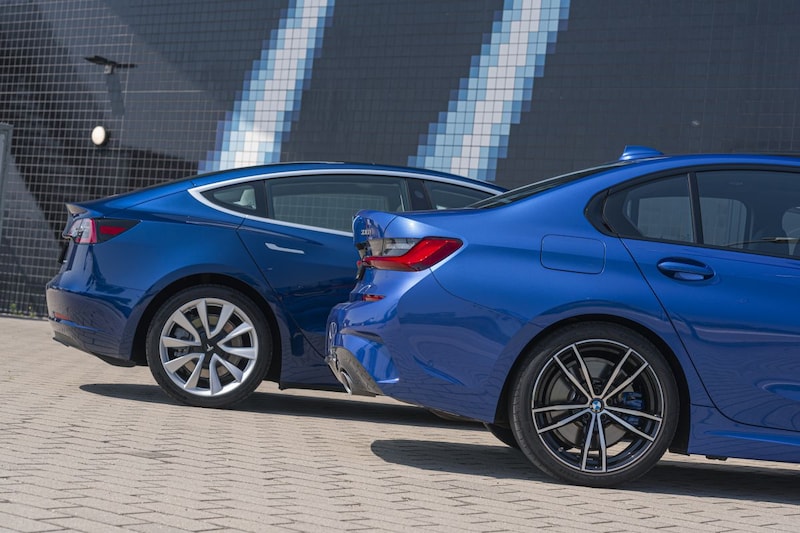
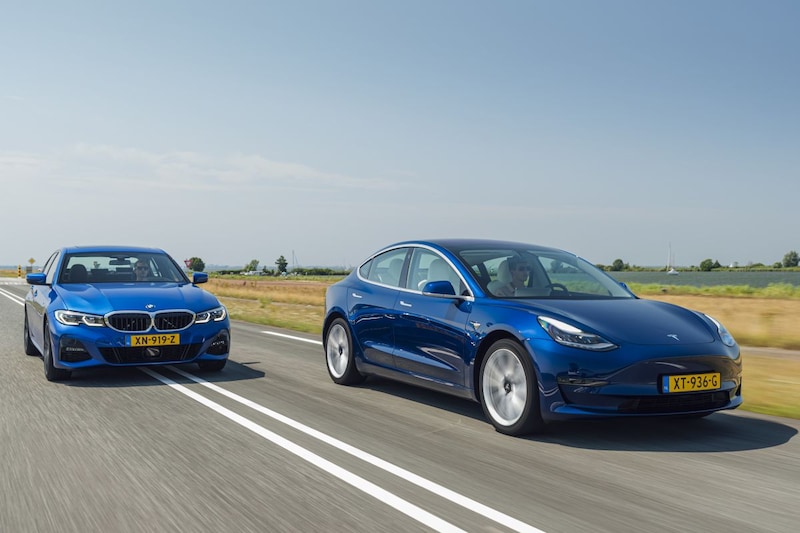
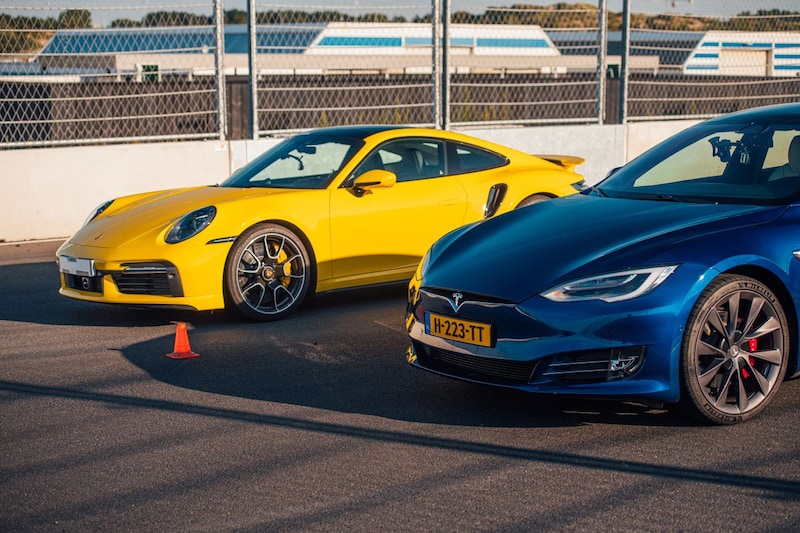
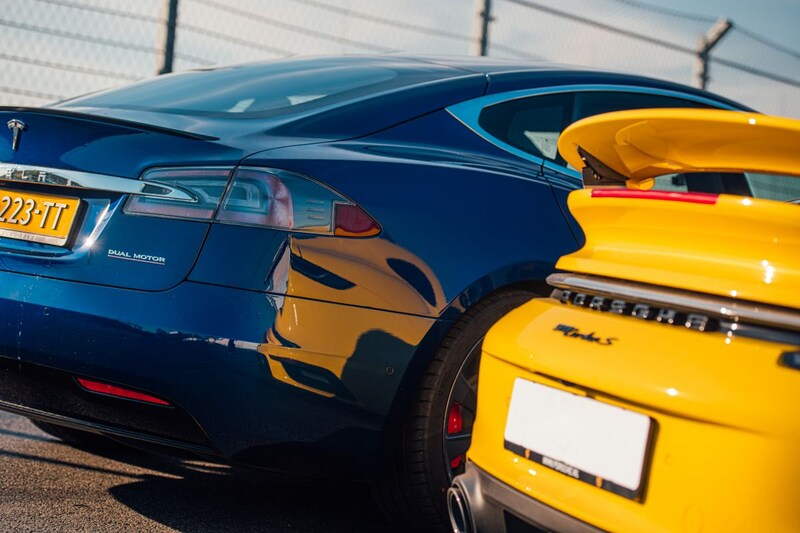
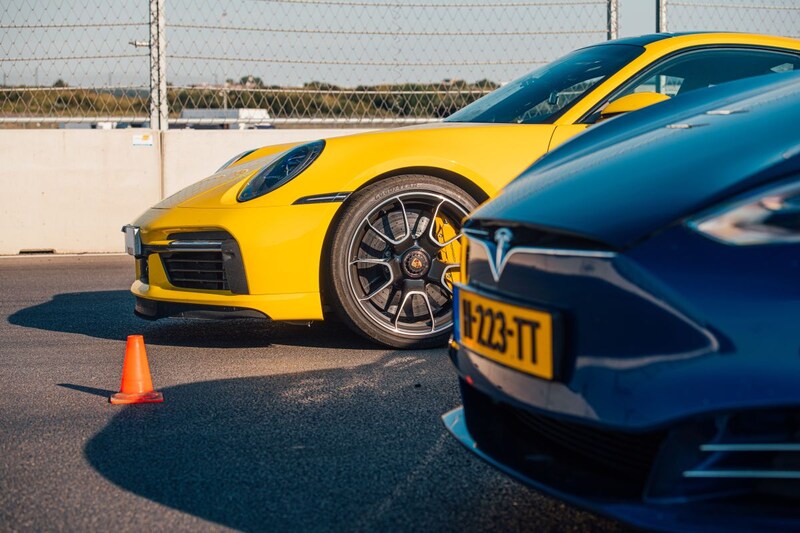
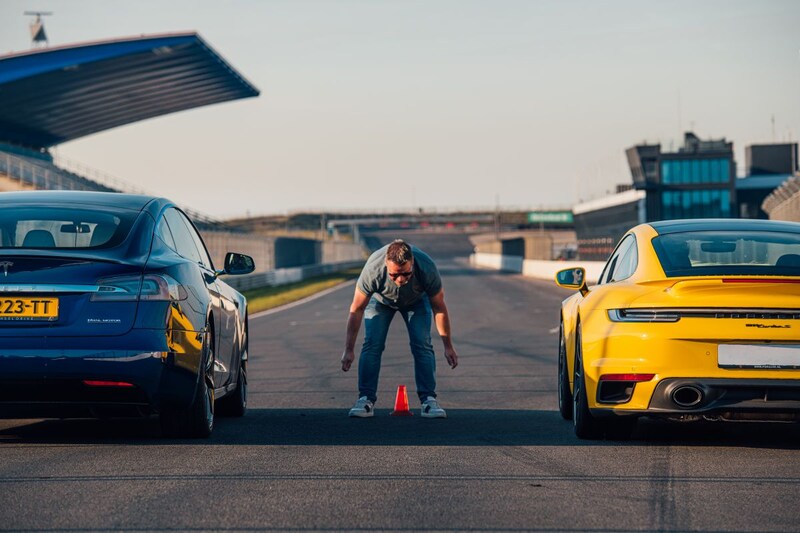
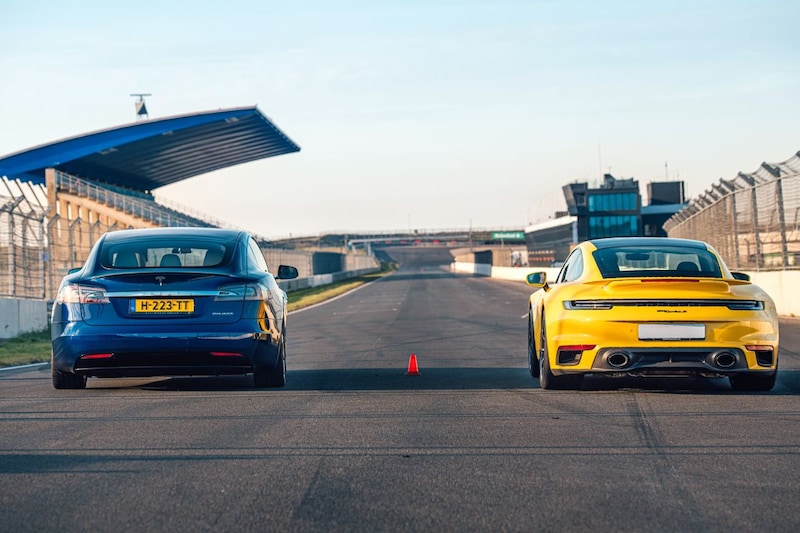
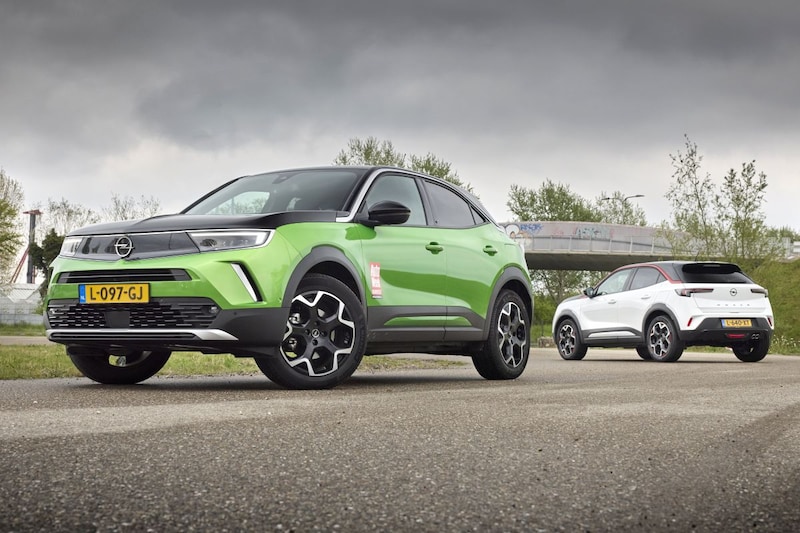


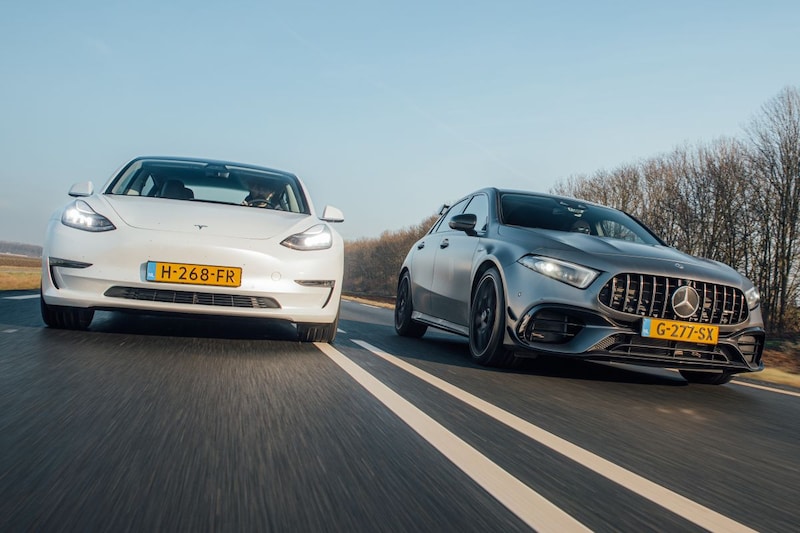
Not so long ago, the Nissan Leaf was one of the few electric cars in the Netherlands, but now about twenty percent of the cars delivered in the Netherlands this year are electric passenger cars. Will the rapid electrification of Autoland also make things more fun? It is high time to make the following statement: ‘The electric car lacks character.’
An electric car offers many advantages. Charging an electric car will certainly be cheaper in 2022 than filling up your petrol or diesel car, you have almost all your power immediately available and due to the absence of a more conventional powertrain with a mechanical transmission you benefit from linear acceleration without setback moments. In addition, EVs score points in terms of emissions during their lifespan purely when you look at their years on the road. But despite their possible advantages, are electric cars also more fun than cars with internal combustion engines?
Plop or buzz?
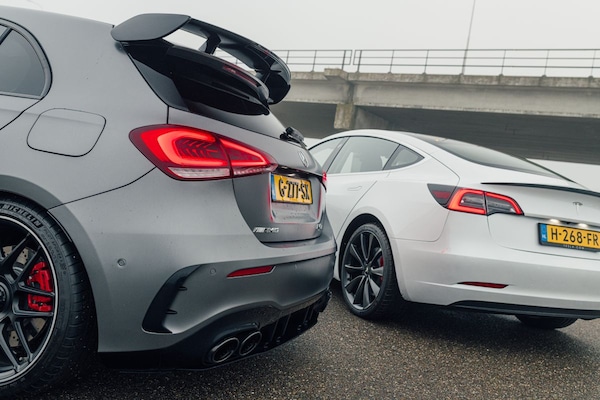
It is a frequently heard argument from those who do not have a warm heart for electric cars: ‘electric cars have less character than cars with combustion engines’. Some miss the feeling of control over mechanics, the feeling that you are playing a complicated thumping technique under the hood with your right foot. While many EV drivers prefer humming to popping, there are plenty of car enthusiasts who miss the sound of rising revs and perhaps the rattle and pops from the exhaust. In addition, electric cars – like many other new cars – are often largely capped with touchscreens and you sometimes have to look for push, turn or slide buttons with a magnifying glass. A world of difference from what we were used to not so long ago.
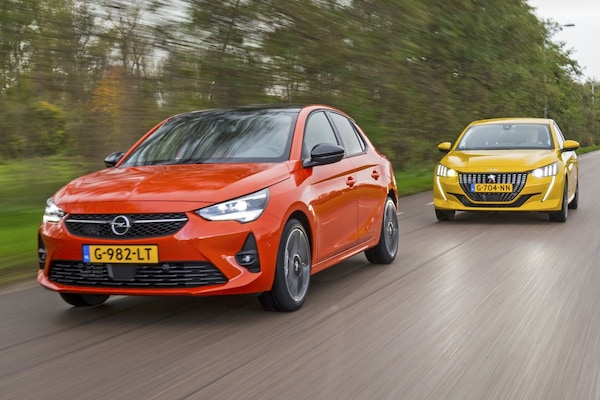
For years, various models have closely resembled each other under the skin. This applies to EVs, but also to models with combustion engines.
The automobile uniform sausage
Combustion engine cars come in many shapes and sizes. More than once, models from one or more manufacturers share technology with each other. For example, the model range of Volkswagen Group brands consists of numerous cars that are based on a version of the MQB platform, and Stellantis offers an extensive range of models that use CMP or EMP2 technology. A logical consequence of this is that various models feel strongly drawn towards each other, especially when you consider that the powertrains with which cars of different brands within the same group are often also the same. For example, in how many models can you not find a 1.0 TSI or 1.2 PureTech?
A lot is also shared in EV land. Just put a Volkswagen ID4 next to a Skoda Enyaq or park an Opel Corsa-e next to a Peugeot e-208. Of course it is logical that car manufacturers build modularly, but whether that also benefits the character of the cars in question is of course the question. Incidentally, modular construction is not only something of the last ten years, manufacturers have been folding carriages of different brands over more or less the same technical basis for decades.
Time for a voting round in which we posit the following statement:
‘The electric car lacks character’
Can you find yourself in that? Why or why not? And how could car manufacturers give models with the same technology a stronger individual character? Is there a task there, especially in the field of design, or should there be more distinction in the technology or its adjustment? Perhaps a matter of feeling, but an interesting one nonetheless! To be clear: the statement does not necessarily reflect the opinion of the AutoWeek editors.
You can add explanations and arguments in the comments. And, as always, your opinion does not have to be someone else’s. We should all be on AutoWeek.nl because we have a thing for cars, so be kind to each other and try not to get too carried away.
.
– Thanks for information from Autoweek.nl