
Protectionism or not
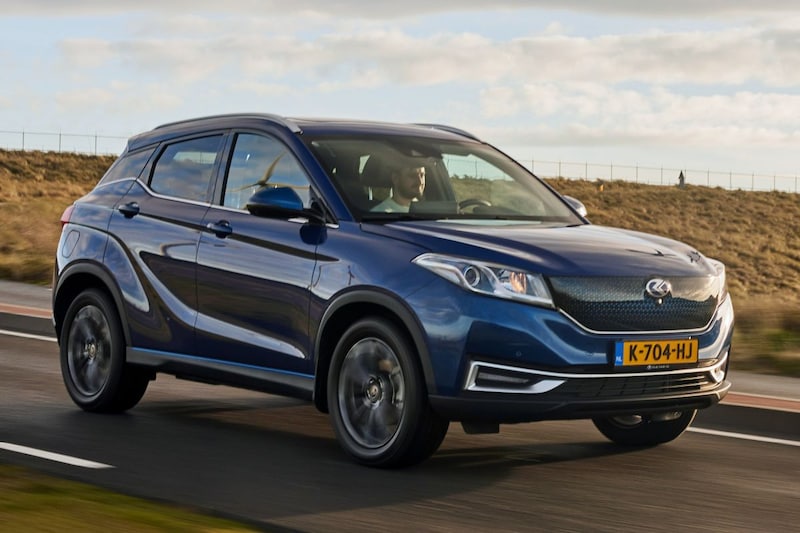
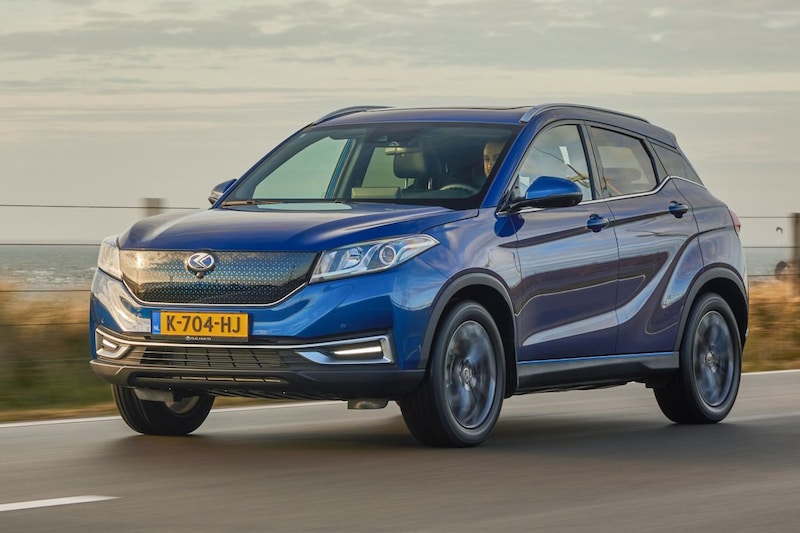
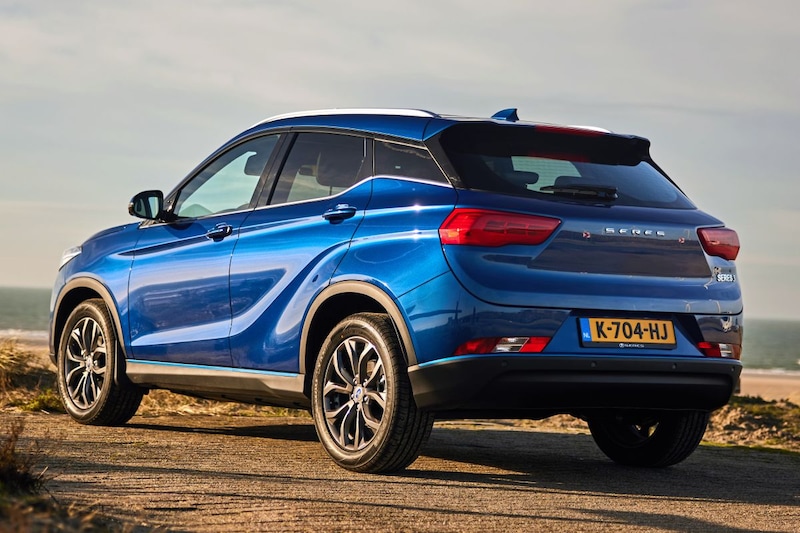

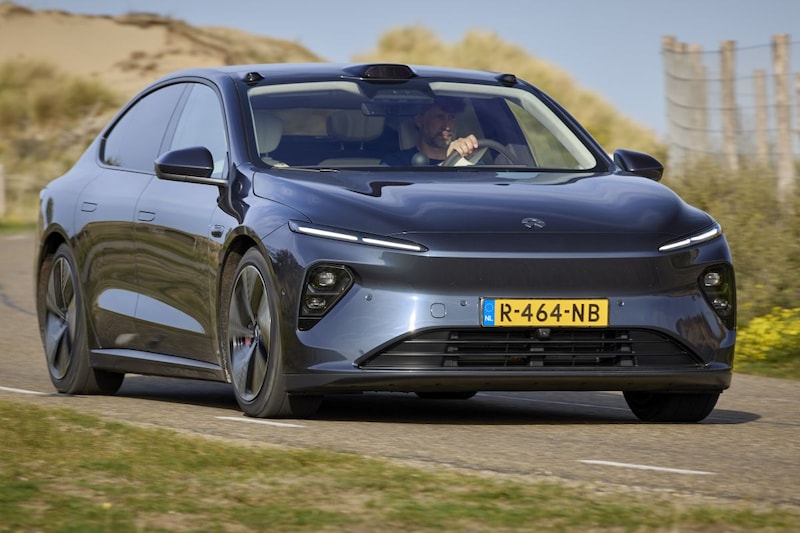
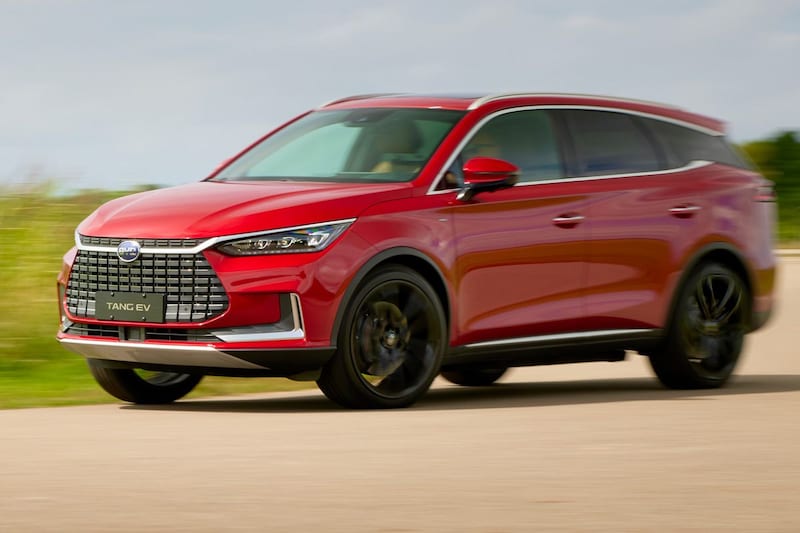

Parallel to the ever-growing fleet of new electric models that flood the European and also the Dutch car market every year, the number of Chinese-made cars is increasing. Opinions are divided on whether that is a good thing. It is high time for the next statement: ‘Chinese cars must become more expensive’.
In relatively recent automotive history, several Chinese brands have tried to win over the hearts of European consumers. We mention brands like Landwind and Brilliance that brought their wares to Europe. Such adventures often failed, more than once due to lousy NCAP test results or overall poor build quality. In any case, the days when the smell of plasticizers surrounded you in Chinese-made cars are far behind us. At least, if we are talking about the products of manufacturers such as Nio and countless other Chinese brands that are currently working hard to set up a European empire.
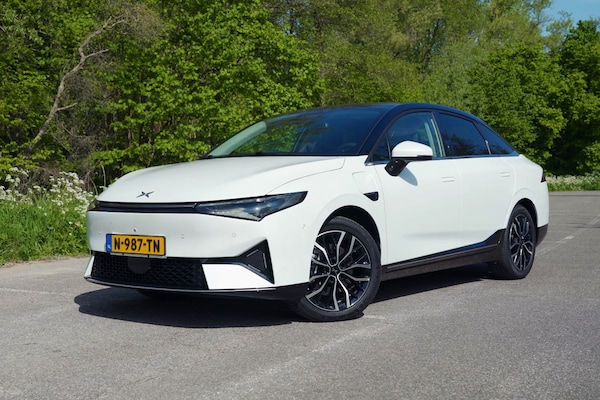
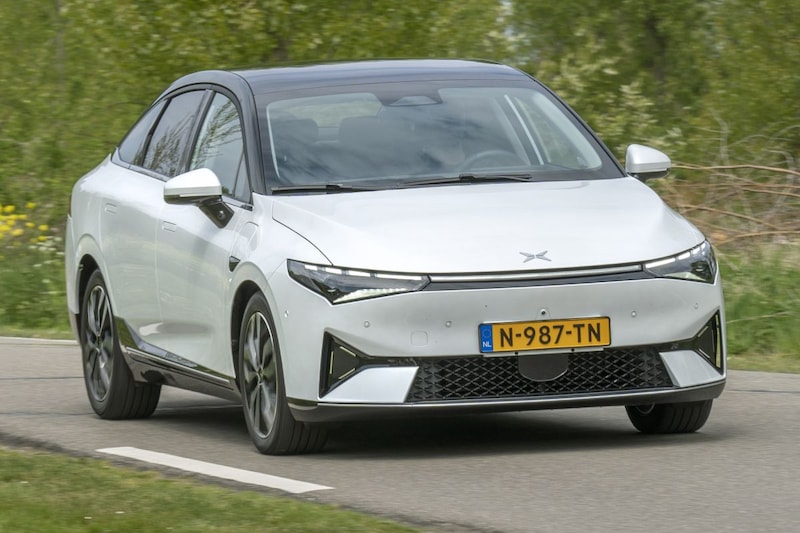
The Xpeng P5 was not very warmly received in Europe. His introduction has been postponed.
And there are quite a few. While the originally British MG was one of the few Chinese brands in the Netherlands a few years ago, we are now familiar with names such as Seres, Xpeng, Nio, Aiways, BYD, Byton, Ora, Wey, JAC and Hongqi. All of them Chinese companies that now or in the foreseeable future display their automobile goods in Europe and the Netherlands. In addition, traditional European brands such as Volvo and even Lotus also have a Chinese owner. Then we are talking about giant Geely, which owns brands such as Lynk & Co, Polestar and Zeekr. The latter will come to Europe in 2023.
Market researcher PwC recently predicted that the number of Chinese-built cars coming to Europe in 2025 will already be 800,000 on an annual basis. Is that a good thing or a bad thing? Cars from Chinese brands regularly offer a lot of value for a relatively attractive price, but opponents of the ‘Chinese plug invasion’ will be the worst. We regularly read geopolitical arguments under news articles not to welcome the Chinese car with open arms. These vary from protecting European production to not wanting to stimulate the Chinese economy to fear of privacy risks.
What is a Chinese car?
The question of what ‘a Chinese car’ is cannot be answered unequivocally either. Given the origin of the owner of Volvo, you could label that brand as Chinese. But what do you include Smart, which is half owned by the Chinese Geely, but Daimler owns the other half? And is a car produced in China from a non-Chinese brand like Tesla a Chinese car? In the case of protectionist measures, too, there is still a lot to be said about this. In addition, there is of course the question of how to make Chinese cars less attractive to European consumers.
In a previous survey on AutoWeek.nl we presented the following statement: ‘My next car will be a Chinese car’. 3,439 of you responded to that. 25 percent of you gave ‘I am not in favor of products from China’ as one of the reasons for not buying a Chinese car. 20 percent also gave ‘I don’t trust Chinese cars (reliability/privacy)’ as one of the reasons for ignoring the Chinese EV.
You already feel it, we are curious about your opinions. Time for a round of voting, in which we posit the following proposition:
Chinese cars should become more expensive
Can you find yourself in that? Why or why not? To be clear: the statement does not necessarily reflect the opinion of the AutoWeek editors.
You can add explanations and arguments in the comments. As always, your opinion does not have to be someone else’s. We should all be on AutoWeek.nl because we have a thing for cars, so be kind to each other and try not to get too carried away.
.
– Thanks for information from Autoweek.nl