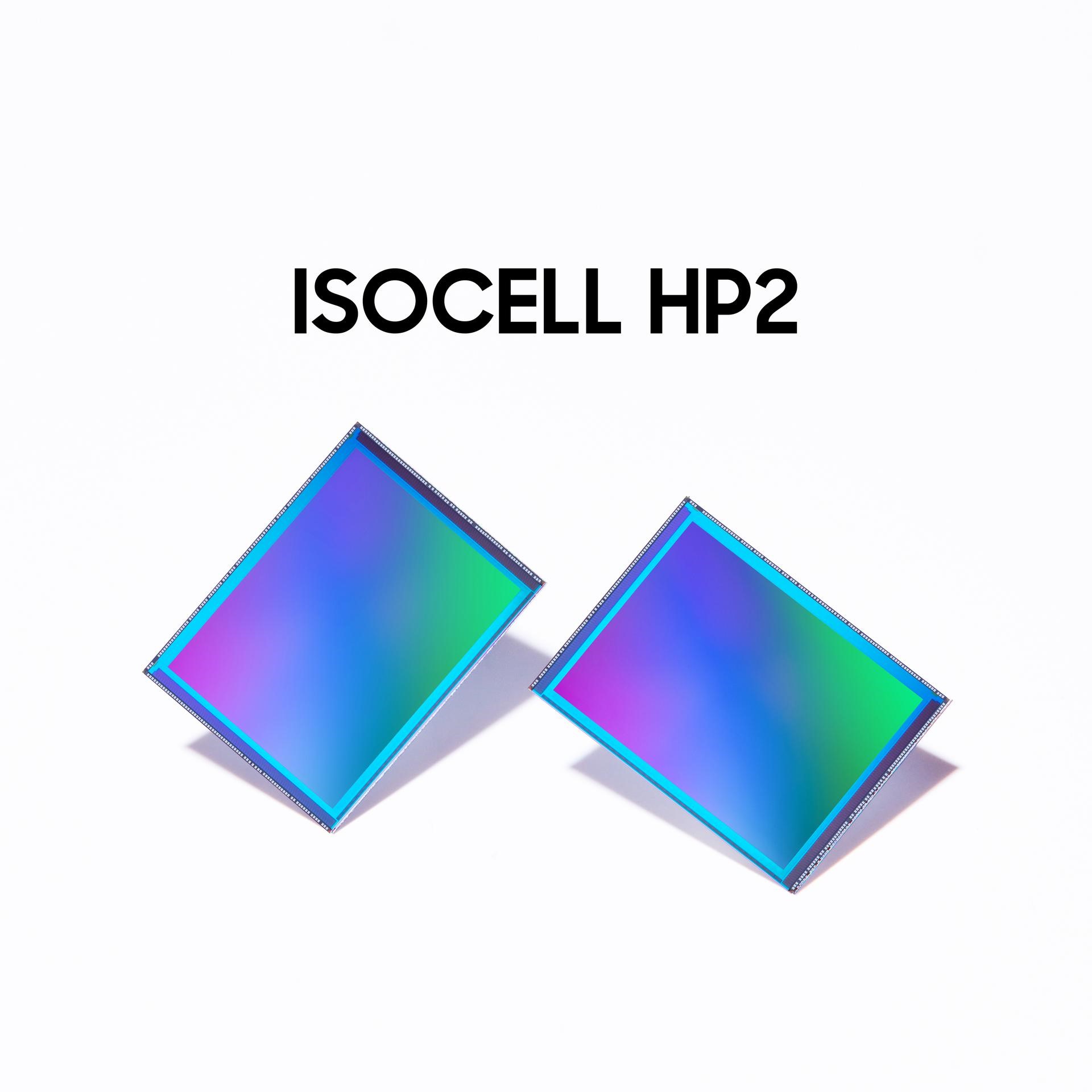
Samsung recently announced the latest 200 megapixel (MP) image sensor, the ISOCELL HP2. The image sensor includes improved pixel technology for detailed and clear photos in all exposures that should come in the more expensive Galaxy S smartphones such as the Galaxy S23 Ultra.
On Wednesday, February 1, the latest Galaxy S23 smartphones from Samsung will be announced, about which much is already known and which you can read about. The top model will (probably) be equipped with a 200MP image sensor. This ISOCELL HP2 contains 200 million 0.6 micrometer (μm) pixels in an optical format of 1/1.3 inch, a sensor format commonly used in 108MP main cameras for smartphones. Higher resolutions in the latest high-end smartphones allow users to take even better photos.
Tetra2pixel
With Samsung’s advanced pixel binning technology, Tetra2pixel, the HP2 increases the camera’s versatility by simulating different pixel sizes for different lighting levels. In low-light conditions, the sensor transforms into a 1.2µm 50MP or 2.4µm 12.5MP image sensor by binding four to 16 adjacent pixels. For an 8K video, approximately at 33MP, the HP2 switches to the 1.2µm 50MP mode to minimize cropping and capture more of the scene. 8K filming at 30 frames per second (fps), a wide field of view and a larger pixel size can produce sharp cinematic videos.
Dual Vertical Transfer Gate (D-VTG)
Overexposed images shot in brightly lit environments can be significantly reduced with the HP2, thanks to Samsung’s new Dual Vertical Transfer Gate (D-VTG) technology. A voltage transfer gate is placed in a photodiode in each pixel to transfer electrons from the pixels to the appropriate layer. With high precision, D-VTG adds a second transfer port inside the pixel, increasing the pixel’s full capacity by more than 33 percent. With more electrons stored and efficient signal transfer, this method can reduce overexposure and improve color reproduction, especially in bright light.
Autofocus improved with Super QPD
In low light, the HP2’s autofocus is enhanced with Super QPD, which allows the sensor to use all of its 200 million pixels to focus. The ample amount of focusing resources are grouped by four adjacent pixels to recognize both horizontal and vertical pattern changes. This results in faster and more accurate autofocus. Thanks to the pattern data and the large number of reference points, the new sensor is capable of fast autofocus, even when the environment is poorly lit.
Best HDR performance
For the best HDR performance, Samsung introduces the DSG function for the first time in 50MP mode, which applies two separate conversion values to the analog signal received at the pixel level. In addition, the Smart-ISO Pro enables an HDR solution that merges different levels of ISO readings from a single exposure, allowing the camera to shoot 12.5MP images and 4K at 60fps video in HDR.