
‘Crops just for food’
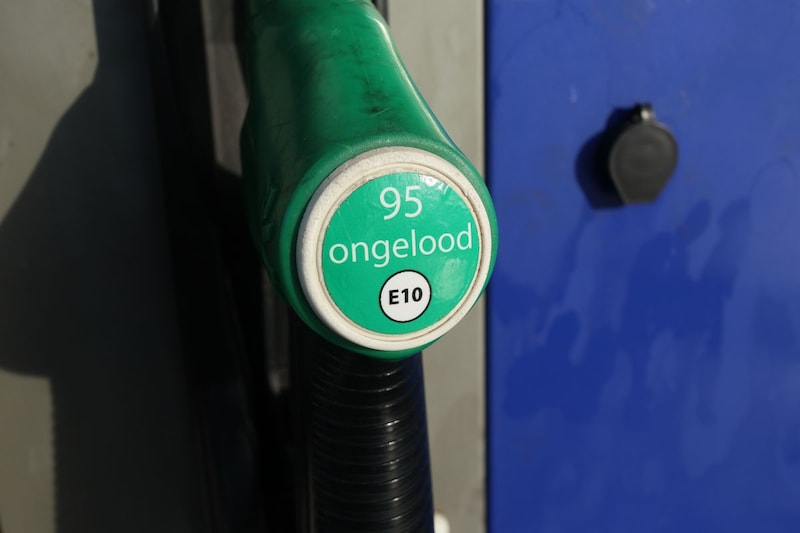
E10, the petrol that has been diluted with biofuel by up to 10 percent, may have to be phased out in Germany by 2030. The reason: the German environment minister wants all crops to be used only for food production.
Over the past ten years, E10 petrol, to which up to 10 percent bioethanol has been added, has become a household name. Ten years ago you could already get it in Germany and France, eventually it also became commonplace in the Netherlands in 2019 when the EU made the sale of E10 mandatory. Advantages of E10 are that it reduces CO2 emissions and that less oil is needed for production. Those who prefer to stay with the old, or who drive a car that simply cannot handle E10, can still fill up with E5 (Euro 98). Over the years, E10 has regularly been criticized for being worse for engines. Now, however, criticism comes from a somewhat unexpected quarter: the German environment minister, Steffi Lemke of the Greens, wants to get rid of E10.
Lemke works according to the Frankfurter Allgemeine to a bill that effectively bans E10 petrol from 2030, because then, in short, all food production must be destined for food supply. Bio-ethanol is mainly made from sugar cane and corn, but that is no longer possible. The argument is that this improves food availability, reduces food prices and reduces the impact of crop cultivation on the environment. There is of course also criticism, including from the German Ministry of Transport, because E10 has a positive effect, because it leads to less CO2 emissions from road traffic. According to Lemke, the oil industry would already be obliged to reduce CO2 emissions in other ways by 2030. The ADAC, the German equivalent of the ANWB, warns that abolishing bioethanol in petrol will lead to higher fuel prices.
– Thanks for information from Autoweek.nl