
Back to start
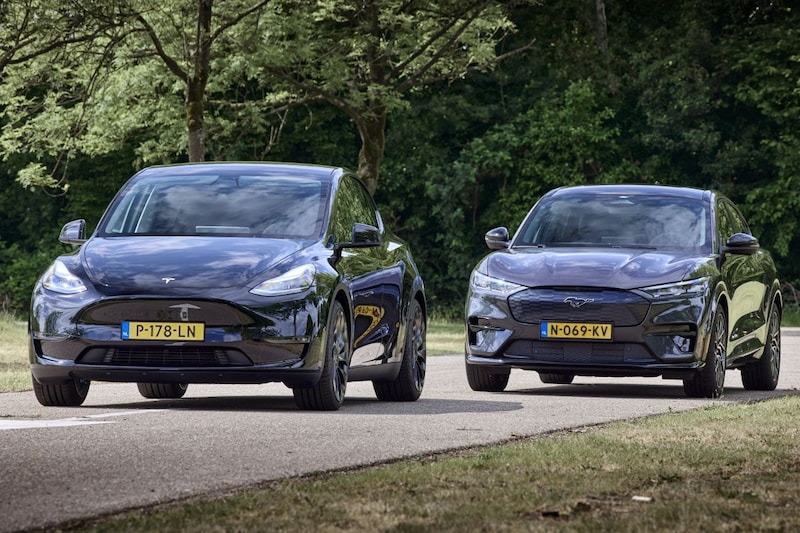
For half of the Dutch people who now have an electric car, it will be over and done with electric driving if the tax benefits for electric cars disappear. De Telegraaf reports this on the basis of a study by the Association of Electric Drivers and the University of Groningen, commissioned by none other than the Netherlands Enterprise Agency (RVO).
After 2024, the SEPP subsidy scheme will be over and done with, which should boost the purchase of a new or used electric car with a catalog value of up to €45,000. In 2024, the subsidy amounts will be adjusted downwards again, but from 2025 you as a consumer will simply pay the full price for your electric car. And there are more EV benefits that will no longer apply after 2024. For example, electric cars are exempt from motor vehicle tax (mrb) until 2024, but that benefit will also disappear from 2025. From 2026, the regular addition rate of 22 percent will also apply to electric cars. What seems? If all these advantages disappear, the current EV driver will have less appetite for an electric car.
Of the business lease drivers with an electric car, 44 percent indicate that they will opt for a model with a combustion engine again if the addition benefit is lost. De Telegraaf reports this on the basis of a study carried out by the Electric Drivers Association together with the University of Groningen on behalf of the Netherlands Enterprise Agency (RVO). The disappearance of the advantages means, among other things, that electric cars entail considerably higher fixed costs than, for example, petrol cars. EVs are generally considerably heavier than comparable petrol cars, with the result that you pay more motor vehicle tax. Electric cars are also often more expensive to purchase than cars with combustion engines.
“We have never before seen that financial considerations were so important in choosing an electric car,” says Maarten van Biezen of the Association of Electric Drivers against De Telegraaf. “The purchase price of electric cars will be lower than that of fuel cars, but that is not yet in 2025,” says Van Biezen. “So the purchase price does not yet compensate for the higher costs for mrb and addition. The rapid reduction therefore not only leads to fewer new electric cars in the fleet, but also to people who drop out again,” says Van Biezen.
In February, the ANWB’s annual Electric Driving Monitor showed that the Dutch see the existence of a subsidy as the most important condition for driving electrically. A high range is then given as the most important condition, followed by MRB exemption. A vote on AutoWeek.nl showed in September that almost 60 percent of AutoWeek readers believe that there should also be tax benefits for electric cars after 2024.
All results of the 2022 EV and Driver Survey will be released later today.
.
– Thanks for information from Autoweek.nl