
‘Within the standard at the end of the year’
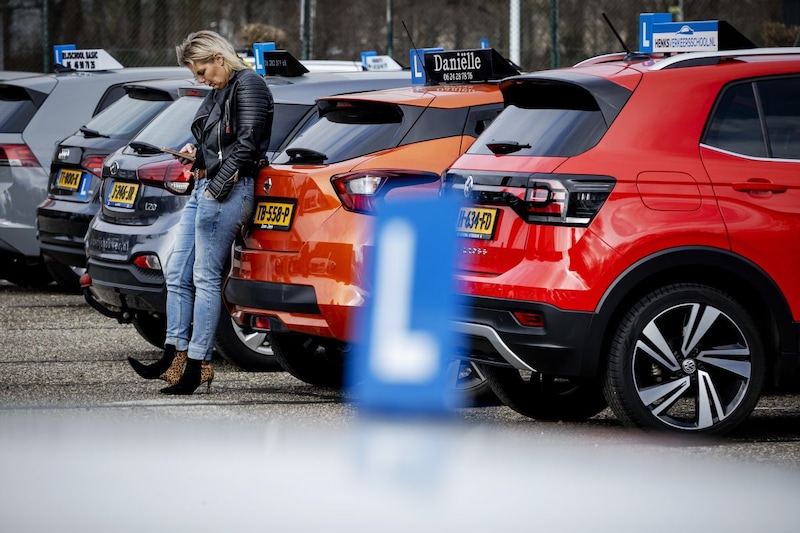
After years of long waiting times for scheduling driving exams, driving skills agency CBR is “on course to be within the standards again by the end of the year”, according to a spokeswoman. Industry associations of driving schools are less optimistic.
It has been agreed that a first practical exam for a driving license can be scheduled within seven weeks, while a re-exam takes four weeks. After the corona pandemic, in which practical exams did not take place or took place to a lesser extent, waiting times increased to more than 22 weeks in April 2022. Two years later, first exams can be scheduled over an average of more than nine weeks and re-exams after six weeks.
Trade associations hope that the CBR will fulfill its promise, but have less confidence. Anyone who wants to make a reservation now will only have their turn in September, according to the Bovag. In addition, there are major regional differences. For example, the waiting time in Maastricht is now four weeks, but in Oss it is nineteen weeks. “On average it looks positive,” says Jos van Zuylen of trade club VRB, “but I am skeptical that they will have eliminated that in December.” According to Roger Keijbeck of industry representative FAM, the “crux” lies in the shortage of examiners at the CBR.
The CBR has been working on this, the spokeswoman says. Forty people have just been recruited and “all classes are full until the summer.” Examiners also work overtime, so that selected driving schools can drive on Saturdays and public holidays. The CBR emphasizes that waiting times also decrease as the success rate increases. That is now just above 50 percent, “that is too low”. It is a call to driving schools that they must do better. If they provide better-prepared candidates, fewer exams will be needed and waiting times will decrease, the spokeswoman said.
According to the industry, the long waiting times actually contribute to that score. “Students pause lessons while waiting for the exam, because otherwise it would be very expensive,” says Van Zuylen. Even when retaking exams, students only resume classes a little before the date, Keijbeck sees. “Not good and it doesn’t improve the graduation rate.”
The CBR, the industry and the ministry have improvement plans. The exam capacity must be increased, just like the level of instructor training, says Van Zuylen. It must also be investigated whether the testing method still fits in with current times. The VRB spokesperson does not expect the pass rate to suddenly reach 60 percent next year. “That would be nice, but it is not realistic.”
– Thanks for information from Autoweek.nl