
When cutting your toenails, you should proceed carefully: incorrect cutting technique often leads to ingrown nails or inflammation. We’ll show you six mistakes you should avoid when caring for your feet.

Long toenails are not only unsightly, but also a health risk. Dirt and bacteria can accumulate under nails that are too long. Ingrown toenails are also a possible consequence. To avoid such problems, you should trim your toenails regularly.
What is important is the correct approach. If you cut your nails incorrectly, they can not only grow in, but can also cause nail bed inflammation and skin irritation. This worsens your foot hygiene.
If you master the right technique, you can cut your toenails yourself without any problems. So you don’t need to go for a pedicure. To keep your nails looking beautiful and healthy, you should avoid the following six foot care mistakes.
1. Do not use (round) nail clippers to cut your toenails
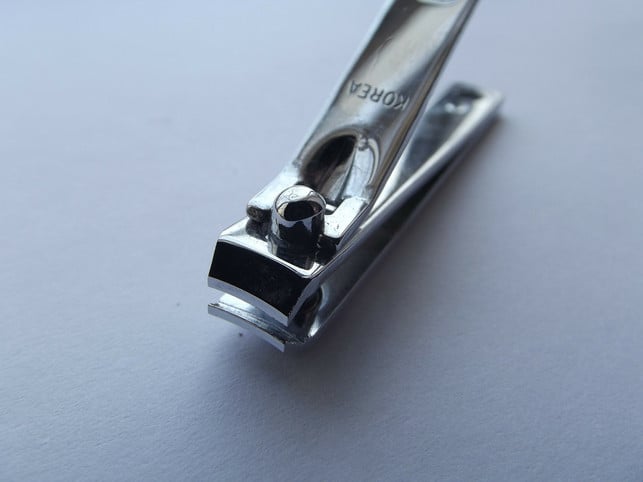
Nail clippers are generally very practical, but they are not suitable for cutting your toenails. The blade of the clippers is often too small for the nail. Another drawback is their round shape: it prevents you from achieving a straight cutting edge on the toes.
Solution:
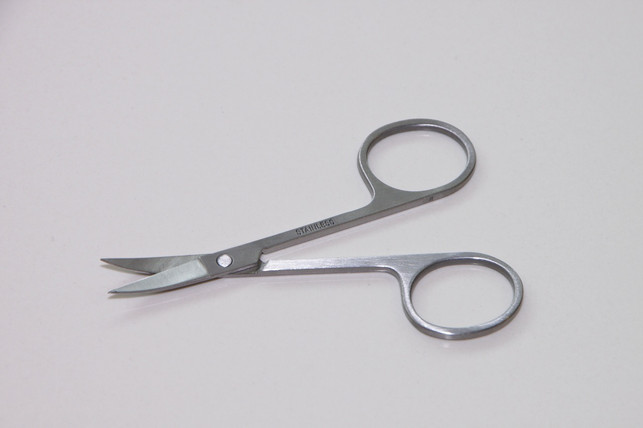
To trim your toenails, you should use nail clippers or scissors. The nail clippers are particularly suitable for very thick nails and the nails on the big toe. You can use nail scissors to cut your toes straight instead of round. If you use nail clippers, make sure they have a straight blade.
You can get nail clippers and scissors online, for example from Pure Nature, Raccoon or Amazon.
2. Do not cut toenails round

You probably cut your fingernails round – it just looks nicer. But when it comes to toenails, appearance shouldn’t be the top priority. It is not advisable to cut round toenails because round nails can grow in more easily and cause severe pain.
Solution:
Only cut your toenails straight. This also means that you don’t cut your nails left and right. The edges on the left and right keep germs and bacteria from getting under the nail. This will help you prevent nail bed inflammation. Nevertheless, you should lightly file down the sharp edges with a nail file. Edges that are too sharp dig into the surrounding skin and can lead to injuries and inflammation. Note: You should file the edges softly, but not round them again.
3. Don’t cut toenails too short
The correct nail length is important not only for the appearance, but also for the health of your nails. If you cut your toenails too short, they will no longer be able to properly protect your toes. You notice this, for example, when your shoes put unpleasant pressure on your nails. The cause may be that you have cut your nails too short. Inflammation and further damage to the nail bed can also occur if nails are cut too short.
Solution:
To get the right length, cut your nails flush with the edge of the toe: This means that the tip of the toe should just be covered by the nail after trimming. The remaining free edge of the nail should be around one to two millimeters long.
4. Only cut your toenails, not your cuticles
You should not cut the sensitive skin around the nail. It is very susceptible to inflammation. Cutting away the skin with nail scissors may cause pain, redness, and swelling.
Solution:
Soak the cuticles in a foot bath before cutting your toenails. This makes it softer. A foot bath in warm water without additives is sufficient here. You can also prevent hangnails by regularly soaking your cuticles. Showering or bathing also softens your cuticles sufficiently. The soft cuticle can then be gently pushed back with a special cuticle pusher or with the lower end of the nail file. You can then cut your toenails unhindered.
Tip: If you cut your toenails after soaking, you can also remove your calluses at the same time. It also softens with a warm foot bath.
5. Don’t let your toenails dry out before and after cutting
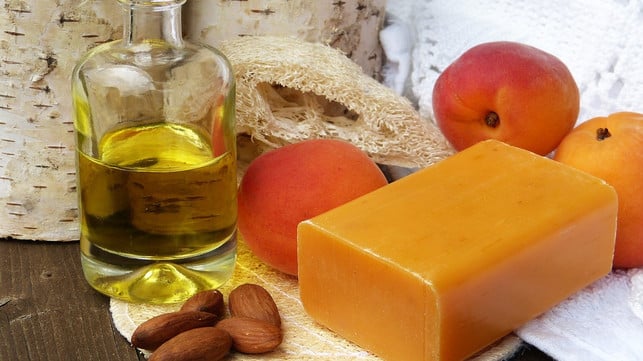
If your nails are too dry, they become more prone to uncontrolled breakage. Cutting brittle toenails so that they remain healthy and beautiful is not easy.
Solution:
Oil your toenails regularly to prevent nail breakage. Use two to three drops of apricot kernel oil or almond oil. Pour the oil into your hands, rub it in and massage it gently into your nails. The same method also helps with brittle fingernails.
6. Don’t share your foot care kit with others
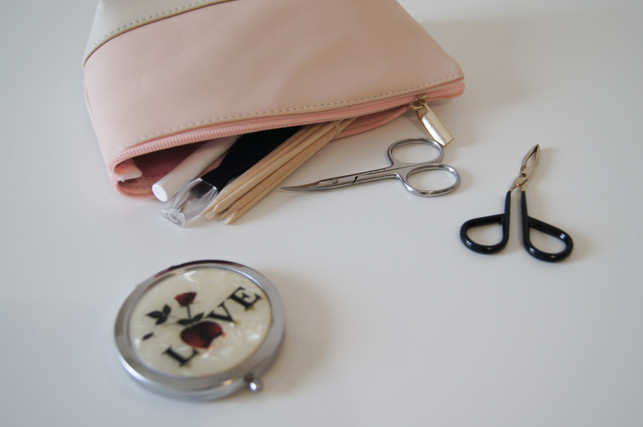
You should never share nail scissors and nail clippers with others – not even with your family members. This may seem practical at first, but it can transmit athlete’s foot.
Solution:
Get your own foot care kit. Of course, if you have no other choice in certain situations, you can use an existing nail set. However, you should make sure that the set is completely free of nail residue. In addition, it is best to clean it with alcohol or a disinfectant before use.
Cutting toenails: final tips
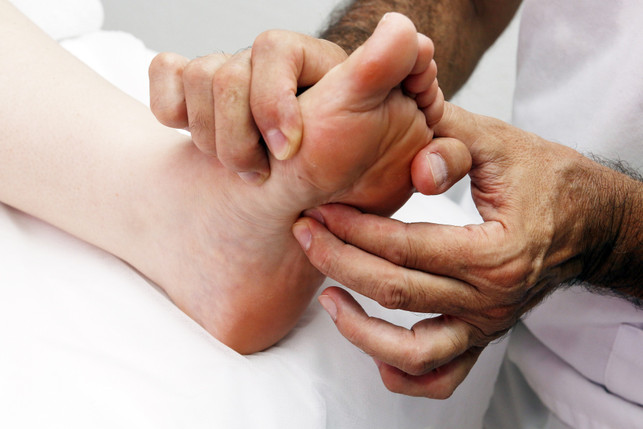
If you suffer from foot diseases – for example nail fungus, deep ingrown nails or severe nail thickening – then you should have your foot care taken care of by a professional. This will ensure you don’t make the condition worse by cutting your toenails incorrectly.
Conclusion:
If you have cut your toenails well, they are pain-free, do not pinch and grow back healthily. This means you can’t feel your toenails at all. In this way, the nails can effectively protect the sensitive skin of your nail bed.
Edited by Lea Hermann
Read more on Techzle\.com:
- 5 tips for healthy feet
- Marula oil: This is how the “beauty oil” works on skin and hair
- Make your own foot cream: simple instructions
** marked with ** or orange underlined Links to sources of supply are partly partner links: If you buy here, you are actively supporting Techzle\.com, because we then receive a small part of the sales proceeds. More info.