
After Parliament, now also the Council
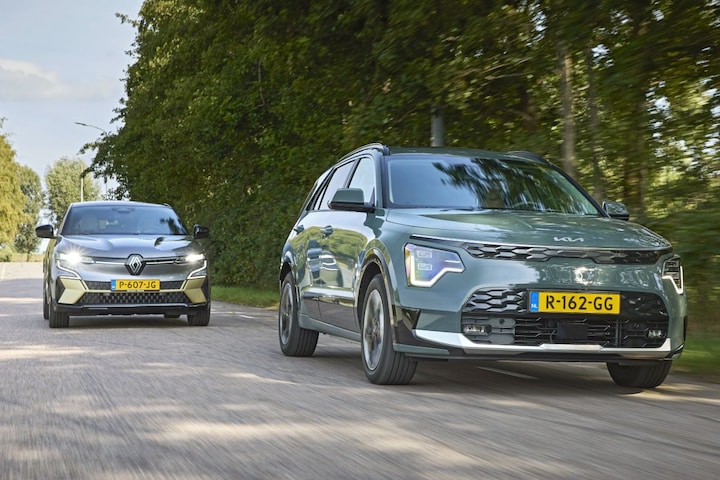
After the European Parliament, the European Council has now also agreed to the EU’s car plans until 2035. The bullet is therefore definitively through the church: new cars in the EU are no longer allowed to emit CO2 from 2035.
Earlier, the 2035 plan also seemed final, but then it was ‘only’ about approval by the European Parliament. Now that the Council has also agreed, nothing and no one seems to stand in the way of the 2035 plan. EU Member States must now come up with plans to work towards this moment. In many cases CO2-free means battery-electric, of course, but hydrogen remains a ‘legal’ alternative.
The 100% CO2 reduction target, as it is officially called, applies to both passenger and commercial vehicles. MEP Jan Huitema (VVD), rapporteur on this dossier on behalf of the European Parliament, states that the car market is ready for this like no other industry. That is why this step is taken in this way. This plan is seen as an important ‘weapon’ in the fit-for-55 package, the larger plan to reduce total CO2 emissions by 55 percent. It is argued that 27 percent of European CO2 emissions come from transport, of which 70 from road transport. Once cars and commercial vehicles are electric, trucks and ships will be the next step.
According to Huitema, the 2035 target also creates clarity for car manufacturers, who now know where they stand. Earlier, however, we saw that various leaders from the car industry are not happy with this then threatening and now definitive rule. Stellantis CEO Carlos Tavares thinks that the amount of cars sold will fall sharply due to rising prices, with factory closures and all the associated economic consequences. BMW’s Oliver Zipse more or less agrees with him and argues that the mandatory introduction of the EV will make new cars for the middle class definitively unattainable.
Jan Huitema sees it clearly differently: “This deal is good news for the motorist. Many people want to drive cleaner, but cannot afford an electric car. And that while, for example, electric driving is in many cases cheaper than driving on fossil fuels. With this deal, new zero-emission cars will be cheaper, and a second-hand market will open faster, making clean driving more affordable and accessible for everyone.”
.
– Thanks for information from Autoweek.nl