
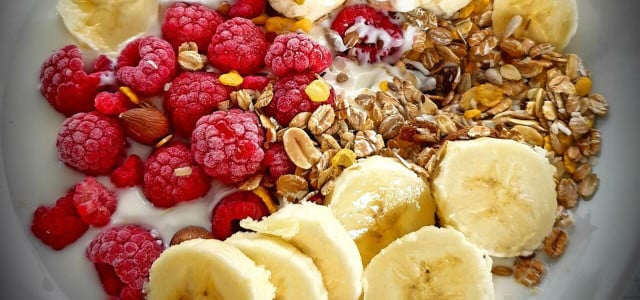
Not sure whether you should eat before or after exercise? We compare the advantages and disadvantages and explain to you how to do it right.
Exercising is beneficial to your health for various reasons. Regular exercise is particularly good for the cardiovascular system. According to the AOK, statistically speaking, just eight minutes of training a day is enough to reduce the risk of cardiovascular diseases in the long term.
Sports that require great endurance in particular have a positive effect on our cardiovascular health: they promote blood circulation so that the heart receives more oxygen. The increased blood flow also normalizes blood pressure and reduces the risk of developing blood clots. But that’s not all: If you do a lot of sport, you’ll be more relaxed, strengthen your mental health and, according to the AOK, you can even prevent depressive moods.
In order for your body to be able to cope with sustained exercise, it needs a lot of energy. As an athlete, you should therefore eat regularly. Many people ask themselves whether they should eat a little something before or after exercise. To make your decision easier, we present the advantages and disadvantages of both options here.
Eat before or after exercise? No large meals before training
The health experts at AOK recommend not eating too much before exercising. The body would first have to digest the sumptuous meal, which in turn requires a lot of energy. This energy is then missing during the sports session. That’s why it makes sense to allow at least two to three hours to pass between a meal and training. When exercising in the morning, you can also train on an empty stomach, as this stimulates fat burning.
Studies also support this theory: If you want to do sports successfully, you shouldn’t eat anything before exercising. Researchers came to this conclusion in a study in 2017. They examined the effect of eating before training. The conclusion: The test subjects who exercised on an empty stomach had higher enzyme levels that are important for metabolism. Accordingly, they were better able to use the existing fatty tissue as an energy reserve. Because they burned more fat tissue, these people were more likely to lose weight than those who ate before exercising.
But: As with other things, the dose makes the poison. If you feel starved, you obviously won’t perform at your best or, if your body can’t survive without breakfast, you’ll even collapse. This is especially true for strength training, where you are likely to perform less well on an empty stomach. So it’s less about whether you eat before exercise and more about what and how much you eat.
Eat before exercise: These foods are suitable
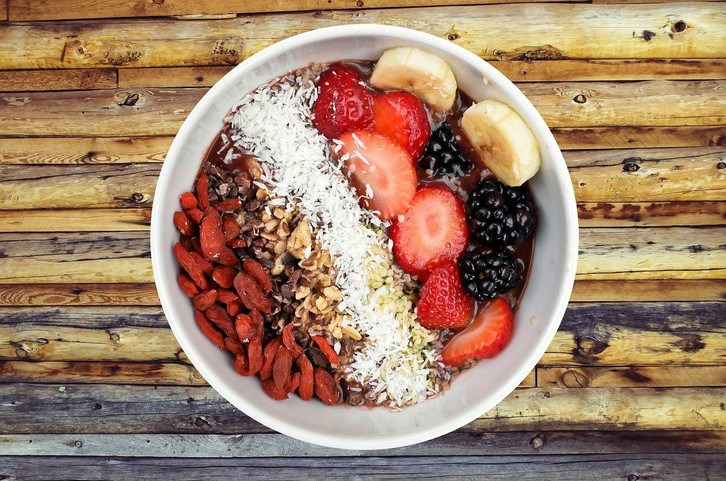
If you need a little energy boost beforehand, you can choose foods that are not heavy on the stomach. They won’t harm you before training. Fatty foods are harder to digest, which is why you shouldn’t eat fatty foods before training. Instead, carbohydrate-containing options make sense.
“Good nutrient sources” with short-chain carbohydrates that you can eat in moderation before training include:
-
Bananas, strawberries or dried fruit
- Granola bars
- Rice or corn cakes
- oatmeal
-
Potatoes, rice or pasta
- Nuts
In general, you should never start exercising on a full stomach. The University of Colorado College of Health and Human Sciences recommends waiting 30 to 60 minutes before exercising, even after a small snack. For a full meal, as already mentioned, there should be at least two hours between eating and exercising.
To improve your athletic performance, experts recommend eating easily digestible foods before training and occasionally training on an empty stomach. This means your body can burn fat optimally and at the same time you have enough energy to master your training well.
During the training itself, you shouldn’t eat anything, but drink enough so that you don’t become dehydrated. If pure water is too boring for you, you can also use isotonic drinks that supply your body with electrolytes.
After exercise: replenish your energy levels
After a sweaty training session, your body needs new energy to recover. That’s why it’s better to eat after exercise rather than before exercise.
However, make sure you eat a healthy and varied diet. You should prefer easy-to-digest meals with lots of protein and fiber. According to the German Nutrition Society, the normal protein requirement of an adult is 0.8 grams per kilogram of body weight – according to the DGE, recreational athletes do not need an increased daily protein intake that exceeds this value. However, if you are actively involved in competitive sports and train for more than five hours a week, the recommendation is that you can consume between 1.2 to 2 grams of protein per kilogram of body weight.
However, it may be worth it if you only eat something one to two hours after exercise. At this point, the so-called afterburn effect occurs, in which the muscles first tap into the fatty tissue to gain energy. Especially if you want to lose weight through exercise, it is a good idea to benefit from the afterburn effect. But: You shouldn’t wait longer than two hours to eat after exercise, otherwise your muscles could be under-supplied and you risk deficiency symptoms in the long term.
Eating after exercise: What is recommended?
As recommended above, it is best to replenish your reserves after exercise with foods containing protein and carbohydrates. You can eat (almost) anything that is high in carbohydrates or protein, for example:
- Fruits such as apples, bananas and berries
- Side dishes such as potatoes and pasta
- Vegetables such as tomatoes, spinach, peas and beans
-
Eggs and dairy products
Before or after exercise: What you should definitely not eat
After an intensive workout, you will of course feel hungry. However, there are some unhealthy foods you should never eat before or after exercise:
- We advise against artificial supplements such as fat burners and other dietary supplements. These are full of artificial additives and provide no health benefits. For example, if you want to consume protein powder, you should definitely pay attention to safe ingredients and ideally ask your trainer or nutritionist for advice on whether the additional intake is necessary.
-
Fast food and sweets are a no-go after exercise. They give you quick carbohydrates, but they cause your blood sugar levels to rise quickly. On the one hand, this means you have even more cravings and, on the other hand, you quickly put the pounds you lost back on your hips.
- Of course, drinking alcohol before and after exercise is not healthy either. Before exercise, it can cloud your judgment and affect your performance. After exercise, the calorie density is too high. Furthermore, alcohol tends to make you dehydrated after exercise and inhibits muscle growth. All good reasons to stay alcohol-free before and after training.
Eat before or after exercise? This is our conclusion
When it comes to the question of whether you should eat before or after exercise, there is no clear “yes” or “no”. Both variants can be useful as part of proper nutrition and regeneration during sport, depending on what sport you do and whether you want to lose weight through exercise.
If you do strength training to build muscle, you need proteins and carbohydrates before and after exercise. If you do endurance sports and want to lose weight, you should stay fasting before exercising or only eat a little something. After training you will benefit from the afterburn effect.
Regardless of the sport, you should drink plenty of fluids before, during and after your workout to keep your circulation stable.
Revised by Philipp Multhaupt
Read more on Techzle\.com:
- Find sports motivation: This can help you
- Vegan diet and exercise: is it possible?
- Morning exercise: 8 reasons for a morning workout
** marked with ** or orange underlined Links to sources of supply are partly partner links: If you buy here, you are actively supporting Techzle\.com, because we then receive a small part of the sales proceeds. More info.