
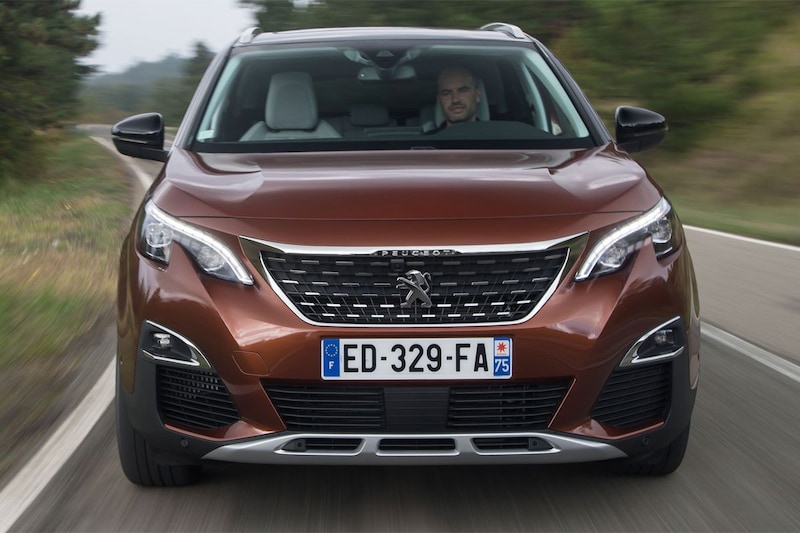
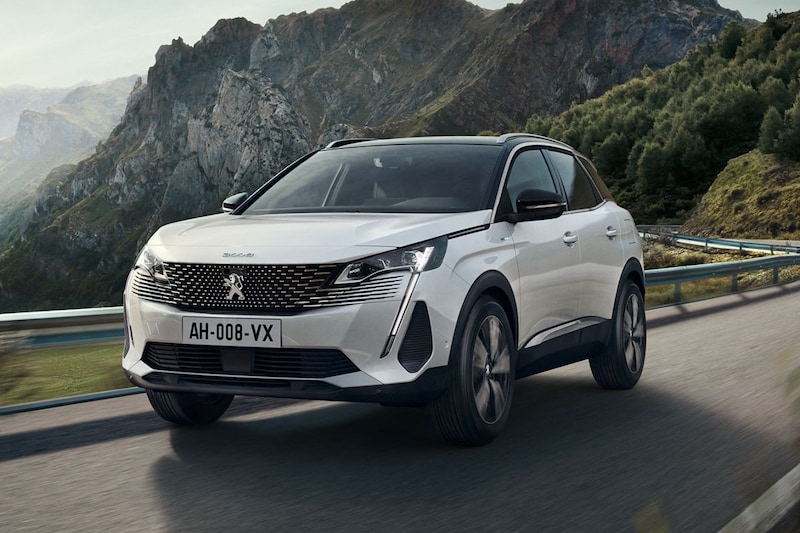
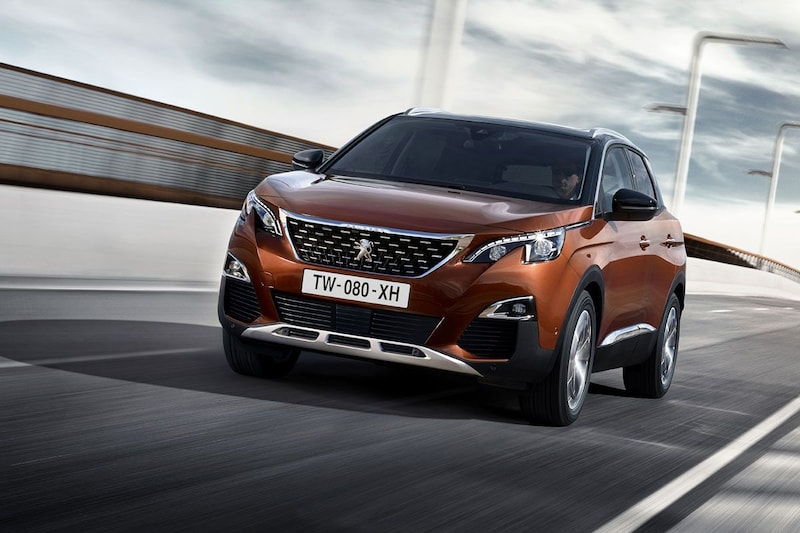

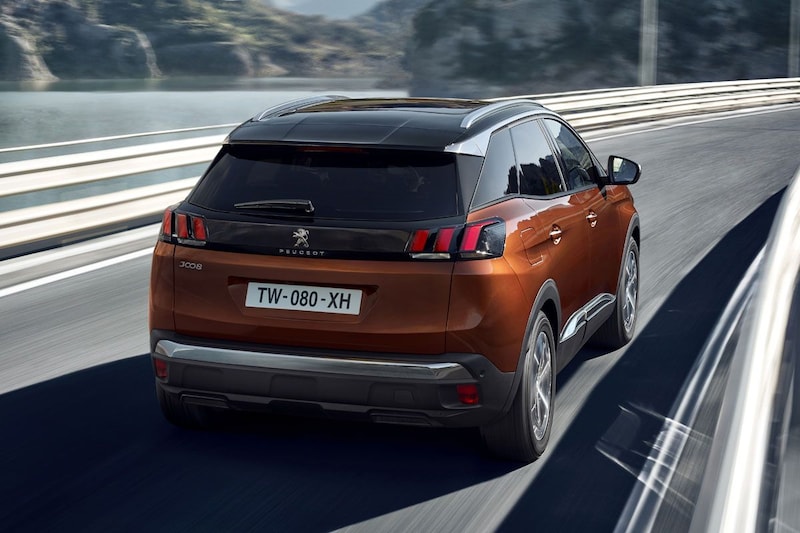

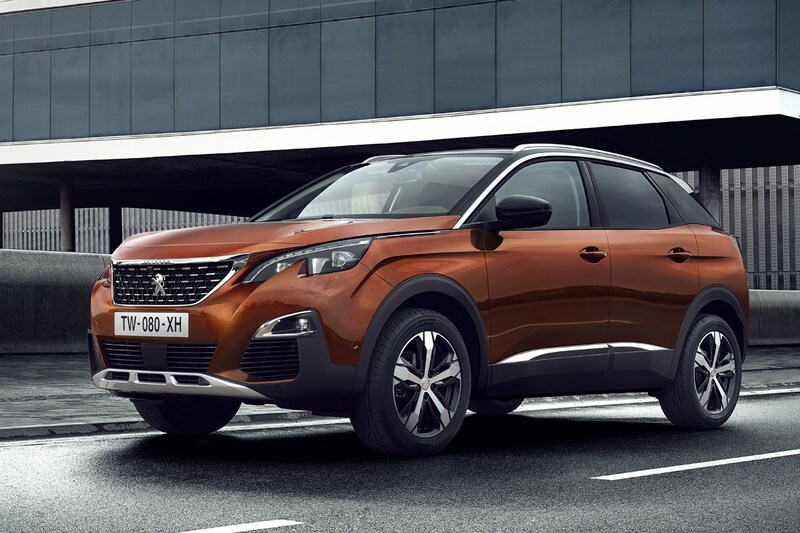
The current Peugeot 3008 and 5008 were both presented in 2016. High time for innovation, in which both models were given a fresh family look. An improvement?
Peugeot has been experiencing a significant revival in recent years. The 3008 and 5008 introduced a new drawing style in 2016 and 2017, but did not yet feature the ‘tusks’. It wasn’t until the introduction of the second generation of the 508 in 2018 that it really became clear that Peugeot was going to take a quite different design direction. The design-wise image that the brand had built up in this millennium with models such as the 207, 407 and the first generation of the 3008 had to disappear forever.
Now that all Peugeot models are slowly but surely being renewed, the design language is becoming increasingly clear. The 3008 and 5008 already carried the new family face in a sense, but with the facelift they are drawn into the further tightening thereof. One of the most eye-catching elements of this are the aforementioned ‘tusks’, vertical LED strips that function as daytime running lights and direction indicators. The 3008 and 5008, which are still basically two variants of the same car, now have these tusks too. Furthermore, both high Peugeots will now have the type designation on the nose, also something that has been common at Peugeot since the new 508. Finally, there is a new frameless grille, which optically extends below the headlights. These headlights are now the same shape for all variants, while the cars were available with two different variants until now. Versions with halogen lighting have a larger glass area, while variants with LED viewers have a noticeable notch on the underside of the headlights. That difference will now be canceled, although LED low beam is still not standard.
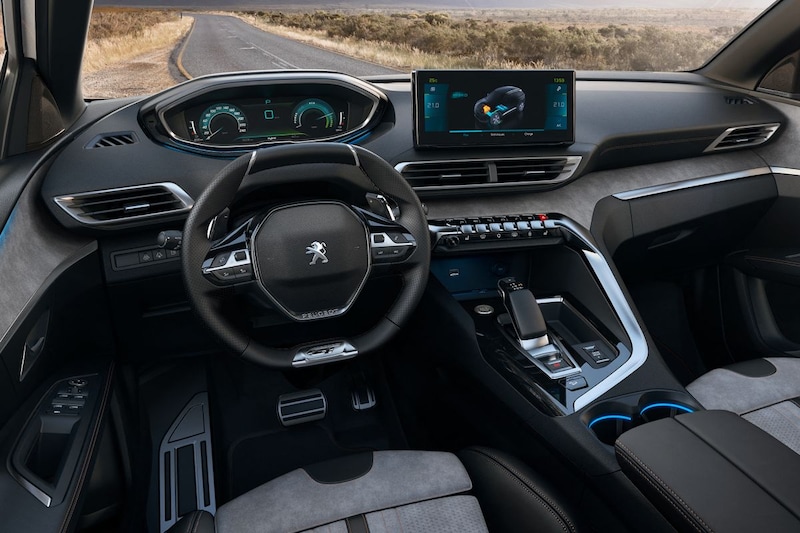
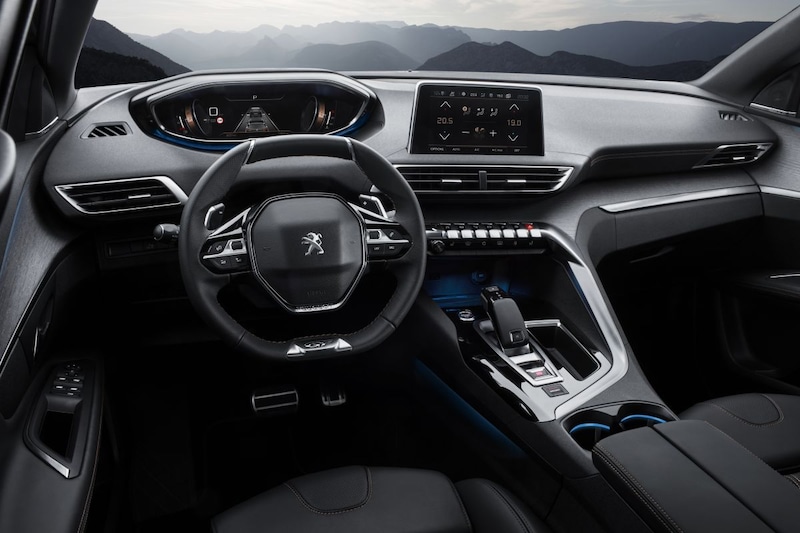
At the rear, it is more a feast of recognition with both cars. Both the 3008 and the 5008 already had the wide black continuous bar in which the rear lights are incorporated. Incidentally, those lights are new: full-LED and with dynamic direction indicators. The light bars are made up of three narrower LED strips. The rear bumpers have also been slightly changed. To complete the facelift. the interior features a new 10-inch central display. The digital tools have also been slightly revised, with more options for personalization.
But now the key question: the original, or the facelift version?