

Ferulic acid is found in many plants and offers special protection, especially to the skin. Here you can read more about how ferulic acid works and where it is contained.
Ferulic acid is not only found in grains, fruits and vegetables, but also in an increasing number of skin care products. The plant-based antioxidant is said to protect the skin from harmful environmental influences and enhance the effect of sunscreen. We’ll show you what ferulic acid can do and where it’s found.
Ferulic acid is widespread in the plant kingdom
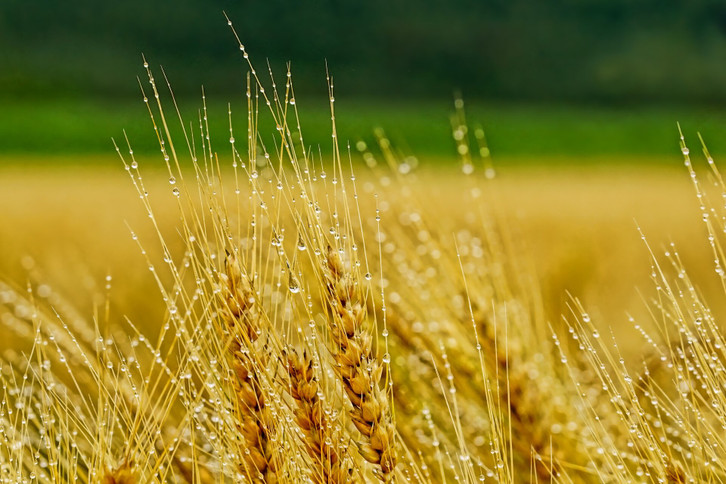
Ferulic acid is a natural active ingredient that many plants produce. The knowledge magazine Spektrum explains that ferulic acid is an antioxidant. It can also filter UV rays.
Ferulic acid is one of the most common substances in the plant kingdom. That’s why many plant-based foods also contain the secondary plant substance:
- A scientific evaluation showed that grains, rice, corn and oranges, among others, are rich in ferulic acid.
- As Spektrum reports, the distribution extends further – from roasted coffee to cabbage to asparagus, tomatoes and olives.
- The medicine portal DocCheck adds herbs such as dill or asant, which is considered a medicinal plant in Indian Ayurveda, to the list.
The special protective effect of the plant substance is mainly used in skin care products and sunscreens. DocCheck adds that ferulic acid also serves as a starting material for antimicrobial additives in cosmetics and soaps.
Ferulic acid and its protective effects

Ferulic acid is part of a complex metabolic process in plants. In this process they form various substances, most of which belong to the group of polyphenols. DocCheck explains that these substances are involved in the structure of the cell wall of plants.
Various studies examine the medical effects of ferulic acid:
-
Antioxidant: A study shows the antioxidant effects of ferulic acid. DocCheck explains that antioxidants interrupt a chemical chain reaction in the organism that can otherwise damage cells. The triggers for the reaction are oxidative stress, such as from UV rays, pathogens or even emotional stress.
-
Anti-aging: Research sees oxidative stress as one of the causes of the organism aging. The study suggests that ferulic acid makes cells more resistant to oxidative stress, which can slow down the aging process. A short-term improvement in the skin’s appearance and moisture was demonstrated. However, whether ferulic acid slows down long-term aging processes has not yet been sufficiently investigated.
-
UV rays: Ferulic acid can increase the protective effect of sunscreens. A 2018 study shows that combining ferulic acid with two UV filters increased the sun protection factor (SPF) of the sunscreen studied by 37 percent and UVA protection by 26 percent. The combination also delayed the development of UV-related skin redness. Ferulic acid could therefore be a useful addition to sunscreen products, but does not replace a conventional UV filter.
Oxidative stress plays a role in the development and progression of various diseases, including cardiovascular disease, diabetes and neurodegenerative diseases. Due to its antioxidant and anti-inflammatory effects, ferulic acid is being researched as a possible approach to prevent and treat such diseases.
Ferulic acid: The active ingredient for the skin
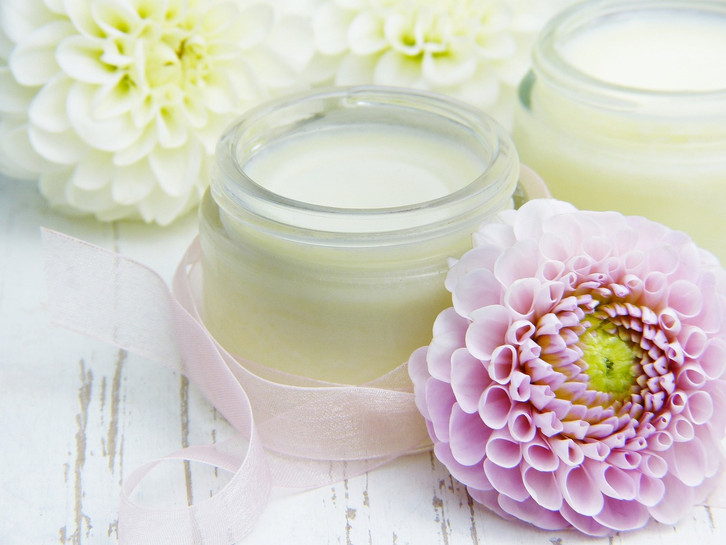
You can find ferulic acid in cosmetic products as a natural antioxidant. For example, it is found in many creams and lotions or is available as a serum. The active ingredient promises to regenerate and strengthen the skin.
Sun protection or after-sun products: How well ferulic acid works in skin care products also depends on their pH value. A 2020 study shows that ferulic acid in a gel formulation studied remained more stable at an acidic pH of about 3.4 than at a pH of about 5.4. The researchers were able to further improve stability by enclosing the ferulic acid in tiny capsules. However, the study cannot determine which pH value offers the best sun protection.
Side effects of ferulic acid and what you should pay attention to when buying it
There are no reports of possible side effects. However, an allergic reaction can never be completely ruled out. Your skin can also react to natural substances with redness or itching.
You can also find the plant-based active ingredient in brands of natural cosmetics or vegan skin care. According to DocCheck, wheat or rice bran are usually the sources when the industry requires large amounts of ferulic acid.
Tip: Certified natural cosmetics use natural ingredients. Companies usually pay attention to sustainability in the cultivation and production of raw materials. You can recognize such brands, for example, by the Natrue seal or the BDIH seal.
According to the INCI list, you can find ferulic acid on a product by its English name or chemical name. So the list of ingredients may include Ferulic Acid or 4Hydroxy-3-methoxycinnamic acid.
What ferulic acid has to do with beer and vanilla
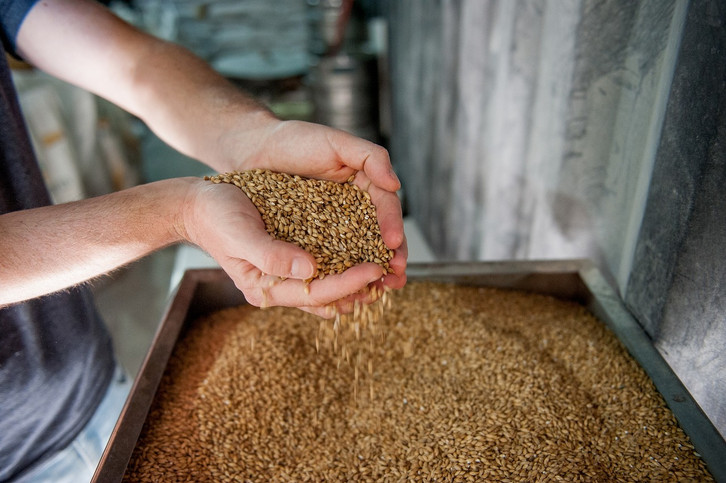
There are further areas of application for ferulic acid in the food industry:
-
Beer brewing: Ferulic acid plays an important role in beer brewing. DocCheck explains that the mash made from barley or wheat releases the acid. When making wheat beer, ferulic acid in conjunction with the top-fermenting yeast contributes to the typical aroma of the beer type.
-
Vanillin: Ferulic acid is a starting product for the production of vanillin.
-
Preservation: Spectrum reports that some countries such as Japan use the natural antioxidant to preserve foods.
Edited by Adriana Jodlowska
Read more on Techzle\.com:
- Treating sunburn: Natural home remedies for too much sun
- Red meat can increase the risk of dementia
- Antioxidants: How they work and which foods contain many
Independent journalism needs people who stand behind it – including in Google searches. Now send a signal for more sustainability and → Save Utopia as a preferred source.
** marked with ** or orange underlined Links to sources of supply are partly partner links: If you buy here, you are actively supporting Techzle\.com, because we then receive a small part of the sales proceeds. More info.