
Do you want to find out your blood type? There are different ways to determine them. We will introduce you to the common methods and explain in which situations it is important to know your own blood type.
During pregnancy, before operations or when donating blood – knowing your own blood type can be relevant in many cases. If you don’t know it, you can easily change that because there are several ways to find out your blood type. We have summarized for you in this article what these are and what you should generally know about blood groups.
Find out your blood group: These blood group combinations exist
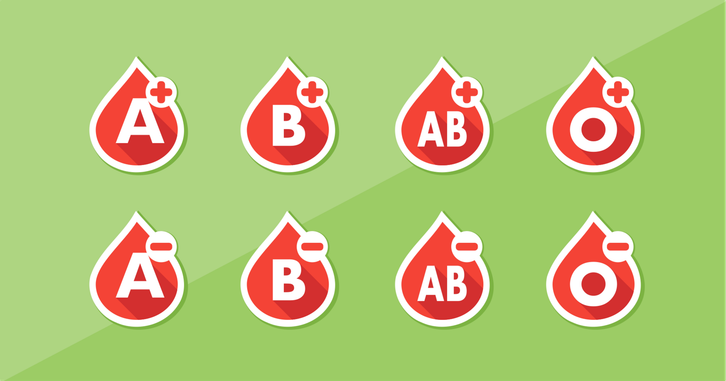
In order to find out your blood type, it’s good to know in advance what variants there are. A total of eight different blood group combinations are distinguished. The four basic groups according to the AB0 system are:
- AWAY
- A
- b
-
0
The Rhesus factor also plays a role, which can be positive or negative.
In people who are Rhesus positive, the so-called Rhesus antigen is present on the red blood cells. This antigen is missing in Rhesus-negative people. According to the German Red Cross, blood group A positive is the most common in Germany.
Finding out your blood type: why is it important?

For pregnancy it is important to know your own blood type. During medical procedures or childbirth, the pregnant person’s blood can come into contact with that of the child. If she is Rhesus negative but the child is Rhesus positive and both bloodstreams come into contact with each other, the pregnant person produces antibodies against the child’s Rhesus positive blood.
This is a slow process in the first pregnancy and is therefore usually not dangerous. However, if you become pregnant again with a Rhesus-positive child, antibody formation can become dangerous because it then occurs much more quickly. According to the Pharmacy Review, this can harm the child. However, the problem is now easily treatable: affected pregnant women can take Rhesus prophylaxis using medication.
But it is also important to find out your own blood type in other situations: This particularly applies to operations and accidents.
If a transfusion is necessary, rescue workers or doctors must know whether the blood groups of the donor and recipient are compatible with one another. This is a complex question because of the many possible blood group combinations. For example, Rhesus-negative people would not tolerate a Rhesus-positive blood donation due to the formation of antibodies.
This is how you find out your blood type
There are different ways you can find out your blood type. We introduce you to the most common methods:
-
Blood donation: When donating blood, your blood will be checked for abnormalities and your blood type will also be determined for an initial donation. It will then be entered into your blood donation card, which you will receive approximately two weeks after donating blood. With this option you can also do something good for other people in need. If you would like to find out where you can donate blood in your area, you can find information about this at Blutspende.de.
-
Family doctor’s office: You can also ask your family doctor. He or she can take a blood test to determine your blood type. However, it costs money if you have your blood type found out this way. As a rule, the costs are between 25 and 50 euros.
-
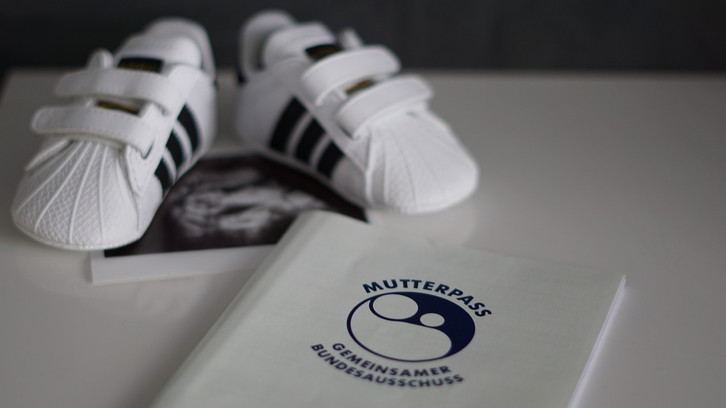
Documents: If you are pregnant or have already had a child, your blood type is definitely recorded in the maternity record. Sometimes you can also find them in your vaccination record. However, providing information there is not mandatory. If you don’t have any children of your own, your mother may still know what blood type you have or has kept her maternity passport.
-
Self-test: You can purchase a self-test at the pharmacy starting at 15 euros. In principle, all tests work the same: To carry them out, you first moisten the four fields of the test card using a pipette. Then you disinfect your fingertip and prick your finger with the lancet. Then use the sticks provided to apply the blood to the four fields. Use a new stick for each square. Then wait about 40 seconds until one of the fields changes color. The instructions for use will give you information about the result.
Edited by Lea Hermann
Read more on Techzle\.com:
- Lower blood sugar: These foods are suitable
- Blood group diet: It really makes sense
- Donating plasma: This is what you should know
** marked with ** or orange underlined Links to sources of supply are partly partner links: If you buy here, you are actively supporting Techzle\.com, because we then receive a small part of the sales proceeds. More info.